


FOR HIGH ROLLERS
 Lindsey Goldstein
Quick Answer: Yes, THCp is chemically more potent than Delta 9 THC because it binds more strongly to CB1 receptors in your brain. However, this does not mean it produces a high that feels dozens of times stronger. Most users experience THCp as longer-lasting and more intense at lower doses, but effects vary significantly based on tolerance, dose, and delivery method.
When comparing THCp vs Delta 9, the most common question is simple: which one is stronger? The short answer is THCp—but the full story is more complicated than a single number can capture.
THCp (tetrahydrocannabiphorol) was discovered in 2019 by Italian researchers who found it binds to CB1 receptors up to 33 times more effectively than Delta 9 THC. This stronger binding affinity suggests THCp could produce more intense effects at much lower doses. Early user reports confirm this: many describe 1-2mg of THCp feeling similar to 10-15mg of Delta 9.
But stronger binding does not automatically translate to a proportionally stronger high. Your endocannabinoid system has limits—receptor saturation means the body can only process so much at once. What this means in practice is that THCp feels roughly 3-5 times more potent than Delta 9, not 33 times.
Here’s what you need to know about THCp vs Delta 9, including how they compare in potency, effects, duration, safety, and who should (and shouldn’t) use each one.
Delta 9 THC, or tetrahydrocannabinol, is the primary psychoactive compound in cannabis. It’s what produces the classic “high” associated with marijuana—euphoria, relaxation, heightened sensory perception, and sometimes increased appetite.
Delta 9 works by binding to CB1 receptors in the brain and nervous system. These receptors are part of the endocannabinoid system (ECS), which regulates mood, pain perception, memory, and appetite. When Delta 9 attaches to these receptors, it triggers the release of neurotransmitters that alter your mental and physical state.
Delta 9 occurs naturally in both marijuana and hemp plants, though marijuana contains much higher concentrations. It’s the most studied cannabinoid in cannabis research, with decades of data on its effects, benefits, and risks. This makes it the most predictable option for both recreational and medical use.
Delta 9 is commonly used for pain relief, nausea reduction, appetite stimulation, and sleep support. However, high doses can sometimes trigger anxiety or paranoia, especially in users with low tolerance or predisposition to these effects.
THCp (tetrahydrocannabiphorol) was identified in 2019 during a study of medical cannabis strains by Italian researchers. It exists naturally in cannabis but only in trace amounts—so small that most strains contain less than 0.1% THCp.
What makes THCp different is its molecular structure. While Delta 9 has a five-carbon alkyl side chain, THCp has a seven-carbon chain. This longer chain allows THCp to bind more tightly to CB1 receptors—up to 33 times more effectively than Delta 9 in lab settings.
Because natural THCp concentrations are so low, commercial THCp products are typically semi-synthetic. Manufacturers start with hemp-derived CBD and use chemical processes to convert it into THCp. This allows for higher concentrations and consistent dosing, but it also means THCp is less “natural” than Delta 9 extracted directly from cannabis.
Research on THCp is still in early stages. While the binding affinity data is clear, long-term safety studies and clinical trials have not yet been conducted. Most of what we know about THCp’s effects comes from user reports rather than controlled research.
When people ask whether THCp is stronger than Delta 9, they’re usually asking about subjective experience—does it feel stronger? The answer depends on how you define “stronger.”
THCp’s 33x stronger binding affinity is often misinterpreted as meaning it produces 33 times more intense effects. That’s not how receptor activation works. Your brain has a finite number of CB1 receptors, and once they’re saturated, additional cannabinoids don’t amplify the effect—they just last longer.
What this means in practice is that THCp reaches receptor saturation faster and at lower doses than Delta 9. This is why most users report THCp feeling approximately 3-5 times stronger, not 33 times. The endocannabinoid system gets overloaded when there’s too much of any cannabinoid, and when that happens, the intensity plateaus.
According to the original Italian study, the researchers acknowledged this limitation: “It is possible that the psychotropic effects [of cannabis] are due to other extremely active phytocannabinoids such as THCp.” In other words, THCp may account for some of the variability in how different cannabis strains affect people, but it doesn’t produce a linear increase in potency.
Based on user reports and emerging research, here’s how THCp and Delta 9 compare:
Delta 9 Typical Dose: 5-10mg for beginners, 10-20mg for regular users, 20mg+ for experienced users.
THCp Typical Dose: 1-2mg for most users, with 5mg being considered a very high dose even for experienced consumers.
This means roughly 2mg of THCp produces effects comparable to 10-15mg of Delta 9. The difference isn’t just in intensity—it’s also in duration and character. Many users describe THCp as producing a “heavier” body high with more pronounced sedation and longer-lasting effects.
The difference between THCp and Delta 9 comes down to molecular structure. Both cannabinoids share the same basic framework, but THCp’s seven-carbon alkyl side chain (versus Delta 9’s five-carbon chain) changes how it interacts with CB1 receptors.
Think of CB1 receptors as locks and cannabinoids as keys. Delta 9 fits well enough to unlock the receptor and trigger a response. THCp, with its longer carbon chain, not only fits—it grips tighter and stays longer. This enhanced binding is what produces stronger and more prolonged effects at lower doses.
This structural difference also affects how each cannabinoid is metabolized. When consumed as an edible, both THCp and Delta 9 are processed by the liver and converted into more potent forms (11-hydroxy-THC for Delta 9, and likely a similar metabolite for THCp). This is why edibles produce more intense and longer-lasting effects than vaping, regardless of which cannabinoid you’re using.

While both cannabinoids produce psychoactive effects, the subjective experience differs in intensity, duration, and character.
Delta 9 produces the familiar cannabis high most users recognize: euphoria, relaxation, sensory enhancement, increased appetite, and sometimes mild sedation. Effects typically begin within 5-15 minutes when vaped and 30-90 minutes when eaten. Duration ranges from 2-4 hours (vaping) to 6-8 hours (edibles).
Delta 9 is predictable. Decades of research and millions of user experiences mean dosing guidelines are well-established. You know roughly what to expect at different dose ranges, and if you overdo it, the effects are usually manageable—though sometimes uncomfortable.
THCp produces similar effects but with more intensity and duration. Users commonly report stronger body relaxation, heavier sedation, and a more “immersive” mental experience. Some describe it as more introspective or psychedelic-adjacent, though it’s not a true psychedelic.
Effects last significantly longer. Vaped THCp can produce noticeable effects for 3-5 hours, while edibles can last 8-12 hours or more. This extended duration is both a benefit (for symptom relief) and a risk (if you take too much, you’re committed for the better part of a day).
THCp is less predictable. Because it’s newer and less studied, individual responses vary more widely. Some users love the intensity; others find it overwhelming. People prone to anxiety or paranoia often report that THCp amplifies these feelings more than Delta 9 does.
THCp is not for everyone. Its extreme potency and long duration make it unsuitable for certain users, including:
Beginners or infrequent cannabis users should avoid THCp entirely. If you haven’t built up tolerance to Delta 9, THCp will likely be too intense. Start with low-dose Delta 9 products and only consider THCp after you have consistent experience with higher THC doses.
People prone to anxiety or paranoia from cannabis should be extremely cautious with THCp. Its stronger receptor activation can amplify these effects significantly. If Delta 9 sometimes makes you anxious, THCp will almost certainly do the same—but more intensely and for longer.
Anyone with a low tolerance or unpredictable response to THC should stick with Delta 9. THCp’s extended duration means if you have a bad reaction, you’re dealing with it for many hours. Delta 9’s shorter duration offers more control.
Users who need to function or drive within 12 hours should avoid THCp edibles. The long-lasting effects can impair judgment and motor skills well into the next day. This is especially true if you consume more than 2-3mg.
Because THCp is so potent, even experienced cannabis users make critical dosing errors. Here are the most common mistakes:
Mistake #1: Treating THCp like Delta 9. If you regularly take 20mg Delta 9 edibles, you might assume you can handle 20mg of THCp. You can’t. That’s roughly equivalent to 100mg of Delta 9—a dose that will leave most people uncomfortably high for 12+ hours. Start with 1mg of THCp, wait 90 minutes, and only increase if needed.
Mistake #2: Re-dosing too soon. THCp edibles take 30-90 minutes to kick in, just like Delta 9. But because the onset can be gradual, some users assume it’s not working and take more. Then both doses hit at once. With THCp, patience is critical. Wait at least 2 hours before considering a second dose.
Mistake #3: Using THCp in unfamiliar settings. THCp’s intensity and duration mean you should only use it in comfortable, controlled environments—especially the first few times. Don’t try it before social events, work obligations, or situations where you might need to sober up quickly.
Mistake #4: Combining THCp with other substances. Mixing THCp with alcohol, other cannabinoids, or sedatives amplifies impairment unpredictably. If you’re going to try THCp, use it alone until you understand how it affects you.
Both cannabinoids have therapeutic potential, but Delta 9 has far more research backing its medical applications.
Delta 9 is extensively studied and used for:
Chronic pain management – Research shows Delta 9 reduces pain perception and inflammation in conditions like arthritis, fibromyalgia, and nerve damage.
Appetite stimulation – Studies confirm Delta 9 increases appetite, making it valuable for chemotherapy patients and people with wasting syndromes.
Nausea and vomiting relief – Delta 9 is FDA-approved (as dronabinol) for chemotherapy-induced nausea.
Sleep disorders – Delta 9 helps some users fall asleep faster and stay asleep longer, though tolerance can develop.
Anxiety and PTSD – In controlled doses, Delta 9 may reduce stress and PTSD symptoms, though high doses can have the opposite effect.
THCp’s medical applications are still largely theoretical. Anecdotal reports suggest it may be useful for:
Pain relief – THCp’s stronger CB1 activation could make it more effective for severe chronic pain at lower doses.
Insomnia – The sedative effects and long duration may benefit people with severe sleep disorders who don’t respond to Delta 9.
Appetite stimulation – Similar to Delta 9 but potentially more pronounced.
However, it’s important to note that these benefits come from user reports, not clinical trials. Research on THCp is scarce compared to Delta 9, which has decades of peer-reviewed studies supporting its safety and efficacy.
Both cannabinoids are available in similar formats, though Delta 9 products are far more common and varied.
Delta 9: Effects in 5-15 minutes, lasting 2-4 hours. Allows precise dose control by taking small puffs.
THCp: Effects in 5-15 minutes, lasting 3-5 hours. Start with just 1-2 puffs—seriously. THCp vapes can hit much harder than you expect.
Delta 9: Effects in 30-90 minutes, lasting 6-8 hours. Start with 2.5-5mg if you’re new.
THCp: Effects in 30-90 minutes, lasting 8-12+ hours. Start with 1mg maximum. The liver converts THCp into an even more potent metabolite, making edibles the strongest and longest-lasting consumption method.
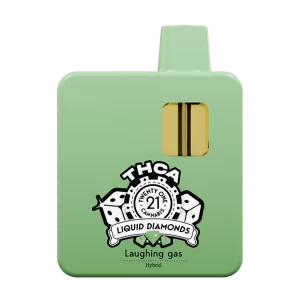
For those seeking a balanced Delta 9 experience, Twenty One Cannabis offers lab-tested edibles like the Microdose Red Velvet THC Brownie (5mg Delta 9 + 5mg CBD) for gentle effects, or the Peanut Butter & Jelly THC Brownie (50mg Delta 9 + 50mg CBD) for more experienced users.
Both cannabinoids are available as tinctures taken sublingually (under the tongue). This bypasses digestion and produces effects in 15-45 minutes, lasting 4-6 hours. Tinctures allow precise dosing and can be added to food or drinks.
The legal landscape for these cannabinoids is complicated and varies by location.
Delta 9 THC is federally illegal under the Controlled Substances Act as a Schedule I substance. However, hemp-derived Delta 9 containing less than 0.3% THC by dry weight is legal under the 2018 Farm Bill. This creates a loophole that allows companies to sell Delta 9 edibles, tinctures, and other products derived from legal hemp.
Many states have legalized Delta 9 for medical or recreational use through state-licensed dispensaries. In these states, marijuana-derived Delta 9 (with no concentration limits) is legally available to adults.
THCp exists in a legal gray area. Because it can be derived from legal hemp and the final product contains less than 0.3% Delta 9 THC, many companies argue it falls under the 2018 Farm Bill’s protections.
However, THCp’s semi-synthetic nature may classify it differently under federal law. The DEA has stated that synthetically derived cannabinoids may be controlled substances even if they’re made from legal hemp. THCp legality is less stable than Delta 9 and changes faster at the state level.
Some states have banned THCp explicitly or through broader “intoxicating hemp product” bans. Before purchasing or traveling with THCp, check your local laws. What’s legal in one state may be prohibited in another.
Both cannabinoids carry risks, especially at high doses or when used irresponsibly.
Start with the lowest possible dose. For Delta 9, that’s 2.5-5mg. For THCp, it’s 1mg or less. You can always take more; you can’t un-take it once it’s in your system.
Avoid driving or operating machinery for at least 8 hours after use. THCp’s long duration means impairment can persist longer than you realize. Even if you feel sober, reaction times and judgment may still be affected.
Don’t mix with alcohol or other depressants. Combining cannabinoids with alcohol amplifies impairment and increases the risk of nausea, dizziness, and “greening out.”
Use in a safe, comfortable environment. Especially with THCp, make sure you’re somewhere you can relax for several hours without obligations. First-time users should have a sober friend available in case they need support.
Know your state laws. Possessing illegal cannabinoids can result in fines, arrest, or other legal consequences. Don’t assume that because something is sold online, it’s legal where you live.
| Category | THCp | Delta 9 THC |
|---|---|---|
| Chemical Structure | 7-carbon alkyl side chain, stronger CB1 binding | 5-carbon alkyl side chain, moderate CB1 binding |
| Potency | Binds 33x more effectively to CB1 receptors; feels 3-5x stronger in practice | Standard potency; well-established dosing guidelines |
| Typical Dose | 1-2mg (edibles); 1-2 puffs (vaping) | 5-20mg (edibles); 2-5 puffs (vaping) |
| Onset Time | 5-15 min (vaping); 30-90 min (edibles) | 5-15 min (vaping); 30-90 min (edibles) |
| Duration | 3-5 hours (vaping); 8-12+ hours (edibles) | 2-4 hours (vaping); 6-8 hours (edibles) |
| Effects | Intense, heavy body high; pronounced sedation; longer-lasting | Classic cannabis high; euphoria, relaxation, sensory enhancement |
| Research Status | Limited research; discovered 2019; mostly user reports | Extensively studied; decades of clinical and anecdotal data |
| Best For | Experienced users with high tolerance; seeking intense, long-lasting effects | Beginners to experienced users; predictable and versatile |
| Legal Status | Gray area; hemp-derived may be legal federally, but state laws vary widely | Federally illegal (except hemp-derived <0.3%); legal in many states |
| Availability | Limited; mostly vapes and edibles | Widely available; many product types and brands |
| Side Effects | Dry mouth, red eyes, anxiety (especially at high doses), long-lasting impairment | Dry mouth, red eyes, increased appetite, occasional anxiety |
| Therapeutic Uses | Potential for pain, insomnia, appetite (mostly anecdotal) | Proven for pain, nausea, appetite, sleep, anxiety (when dosed properly) |
The right choice depends on your experience level, tolerance, and what you’re trying to achieve.
Choose Delta 9 if:
You’re new to cannabinoids or have low to moderate tolerance. Delta 9 offers a predictable, manageable experience with decades of research backing its safety.
You want versatility. Delta 9 is available in dozens of product types from multiple brands, giving you more options for finding what works.
You need shorter duration. If you want effects that last 2-6 hours rather than 8-12, Delta 9 (especially when vaped) gives you more control.
You prioritize safety and research. Delta 9 has far more clinical data supporting its therapeutic uses and safety profile.
Choose THCp if:
You have high THC tolerance and Delta 9 no longer produces desired effects. THCp offers a significant step up in intensity without needing massive doses.
You want longer-lasting relief. For chronic pain or severe insomnia, THCp’s extended duration may be beneficial.
You’re experienced with cannabinoids and comfortable with unpredictability. THCp requires careful dosing and willingness to accept that effects may be stronger or longer than anticipated.
You’ve researched your local laws and confirmed THCp is legal where you live.
No. THCp binds to CB1 receptors 33 times more effectively in lab settings, but this doesn’t translate to 33x more intense effects. Due to receptor saturation and how the endocannabinoid system works, THCp feels approximately 3-5 times stronger than Delta 9 in real-world use.
Beginners should avoid THCp. Its extreme potency and long duration make it unsuitable for anyone without established THC tolerance. Start with low-dose Delta 9 products (2.5-5mg) and only consider THCp after consistent experience with higher THC doses (20mg+).
THCp is detectable in urine drug tests for approximately the same duration as Delta 9—typically 3-30 days depending on frequency of use, metabolism, and body fat percentage. A single use may be detectable for 3-7 days; regular use can extend this to a month or longer.
THCp lasts significantly longer. When vaped, THCp effects last 3-5 hours compared to Delta 9’s 2-4 hours. In edible form, THCp can produce noticeable effects for 8-12 hours, while Delta 9 typically lasts 6-8 hours.
No. THCp’s legal status is less clear than Delta 9’s. Some states that allow hemp-derived Delta 9 have specifically banned THCp or other “intoxicating hemp cannabinoids.” Always check your state’s current laws before purchasing or possessing THCp.
Yes. Standard drug tests look for THC metabolites, and THCp likely produces similar metabolites to Delta 9. If you’re subject to drug testing for employment or other reasons, assume THCp will trigger a positive result.
Fatal overdoses from cannabinoids alone are essentially impossible. However, taking too much THCp or Delta 9 can cause extremely uncomfortable experiences including severe anxiety, paranoia, rapid heart rate, nausea, and vomiting. These effects are not life-threatening but can last many hours, especially with THCp.
THCp is rare in natural cannabis and requires chemical synthesis to produce in commercial quantities. The extraction and conversion process is more complex and costly than producing Delta 9, which occurs naturally in high concentrations and can be extracted more simply.
Whether you’re exploring Delta 9 or ready to try THCp, quality matters. At Twenty One Cannabis, we provide lab-tested, hemp-derived cannabinoid products that meet the highest safety and potency standards.
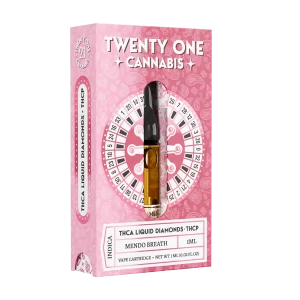
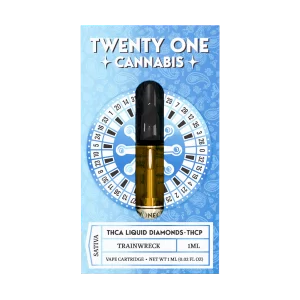
Every product is third-party tested with full Certificates of Analysis (COAs) available for transparency. We source our hemp from trusted U.S. farms and manufacture in GMP-certified facilities. From THCa flower and disposable vapes to premium edibles, you’ll find products designed for those who demand quality and consistency.
Questions about dosing or products? Read our guides or contact us for personalized recommendations.


Doctor of Pharmacy, Pharmaceutical Sciences University of Colorado
Co-Founder & CEO at Arvida Labs

You must be over 21 to enter.
GET NOTIFIED ABOUT ONLINE SALES AT 21 CANNABIS!