




FOR HIGH ROLLERS
 Fabian Raemy
Quick Answer: Yes, THCa shows up on a drug test. When THCa is heated through smoking, vaping, or cooking, it converts into Delta-9 THC, which your body metabolizes into THC-COOH, the compound standard drug tests detect.
Even when THCa is consumed raw and unheated, the chances of triggering a positive result are lower, but they are never zero. Small amounts of THC can form during extraction, storage, or handling, and some sensitive confirmatory tests may still detect related metabolites.
You bought legal THCa flower or a hemp-derived vape cart, and now there’s a drug test on the horizon. The question feels simple: THCa is technically a different compound than THC, it’s hemp-sourced, and it falls within federal legal thresholds. So why would it show up?
The logic makes sense on the surface, and it’s exactly why so many users get blindsided. THCa and THC share the same molecular backbone. They differ by a single carboxyl group that heat removes in seconds. That one chemical reaction changes everything about how your body processes the compound and, by extension, whether it flags a drug test.
The problem with most articles on this topic is that they either give you a flat “yes” without explaining the chemistry or they lean into the raw THCa exception without putting it in an honest context. Neither actually helps someone preparing for a test.
This article breaks down what drug tests are genuinely looking for, why the answer depends heavily on how you consume, and which variables determine your real detection window.
THCa occupies a strange middle ground in the cannabinoid world. It’s present in every cannabis and hemp plant in meaningful concentrations, it’s the direct precursor to one of the most researched psychoactive compounds on earth, and yet in its raw, unheated form, it does nothing essentially to you.
No high, no impairment, no binding to the CB1 receptors that Delta-9 THC activates so effectively. That non-psychoactive status is the root of why so many people genuinely question whether it should affect a drug test at all.
The skepticism isn’t unreasonable. Drug testing programs are largely designed to screen for impairment risk. The premise here is that if someone used a substance that alters cognitive or physical function, an employer or court has a legitimate interest in knowing.
THCa in raw form doesn’t alter anything. A person who juices raw cannabis and consumes THCa without ever applying heat has not introduced a psychoactive compound into their body. The argument that they should fail a drug test for that is, chemically speaking, a real gray area.
Where the logic breaks down is in how THCa is actually used. The moment heat enters the picture, which it does in virtually every real-world consumption method, THCa stops being a non-psychoactive acid and becomes Delta-9 THC.
That transformation is chemically complete and happens in seconds. So while the philosophical question of whether raw THCa should trigger a drug test has some merit, the practical answer for anyone who smokes, vapes, or cooks with it is that the distinction evaporates the moment they consume it.
Most people assume drug tests are looking for THC. The reality is more specific, and that specificity is exactly what closes the door on the “THCa is different” argument for most users.
Standard immunoassay urine tests don’t screen for THC itself. They screen for 11-nor-9-carboxy-THC, universally abbreviated as THC-COOH. This is an inactive metabolite your liver produces after Delta-9 THC has been processed. Research published in PMC confirms that THC-COOH in urine is the primary target analyte for cannabis detection in both federally regulated and private-sector drug testing programs.
Because THC-COOH is fat-soluble, it accumulates in fat tissue and is released slowly back into circulation over time. That behavior is why metabolites linger for days or weeks after effects have worn off and why a positive test can’t tell you much about when or how much someone actually consumed.
Most labs run a two-step process: an initial immunoassay screens at 50 ng/mL, and any positive triggers a more precise GC-MS or LC-MS/MS confirmation. According to the American College of Medical Toxicology, the HHS confirmation cutoff sits at 15 ng/mL. A sample that passes the initial screen can still fail confirmation if the metabolite concentration lands in between.
THCa and the metabolite drug tests are hunting for share a name, but they are not the same thing and this distinction matters. THCa (tetrahydrocannabinolic acid) is the acidic precursor that exists in raw cannabis before heat is applied.
It carries a carboxyl group at carbon position 2, which is what keeps it non-psychoactive in its natural state. The THC-COOH that drug tests flag carries a carboxyl group at carbon position 11, and it’s produced internally by your liver after Delta-9 THC has already entered your system.
So, this is what the process looks like. THCa receives heat, loses its carbon-2 carboxyl group (decarboxylation), becomes Delta-9 THC, enters the bloodstream, gets processed by the liver’s CYP2C9 and CYP3A4 enzymes into 11-OH-THC, and finally oxidizes into THC-COOH. Every step in that chain matters.
As the PMC research on cannabinoid workplace testing explains, the carboxyl group placement is what distinguishes the precursor from the metabolite, and the two are commonly confused even in regulatory literature. In raw, unheated form, THCa does not travel this pathway. Once heat is applied, it does, and it does so completely and rapidly.
| Compound | Detected by Standard Immunoassay? | Why |
| THCa (raw, unheated) | Low probability, still possible | Does not produce THC-COOH without decarboxylation |
| Delta-9 THC | Indirectly | Metabolized into THC-COOH, which is the actual target |
| THC-COOH | Yes | Primary target analyte for all standard cannabis tests |
| CBD | No | Structurally distinct; not metabolized into THC-COOH |
| THCp | Yes (likely) | Similar metabolic pathway to Delta-9 THC; produces analogous metabolites |
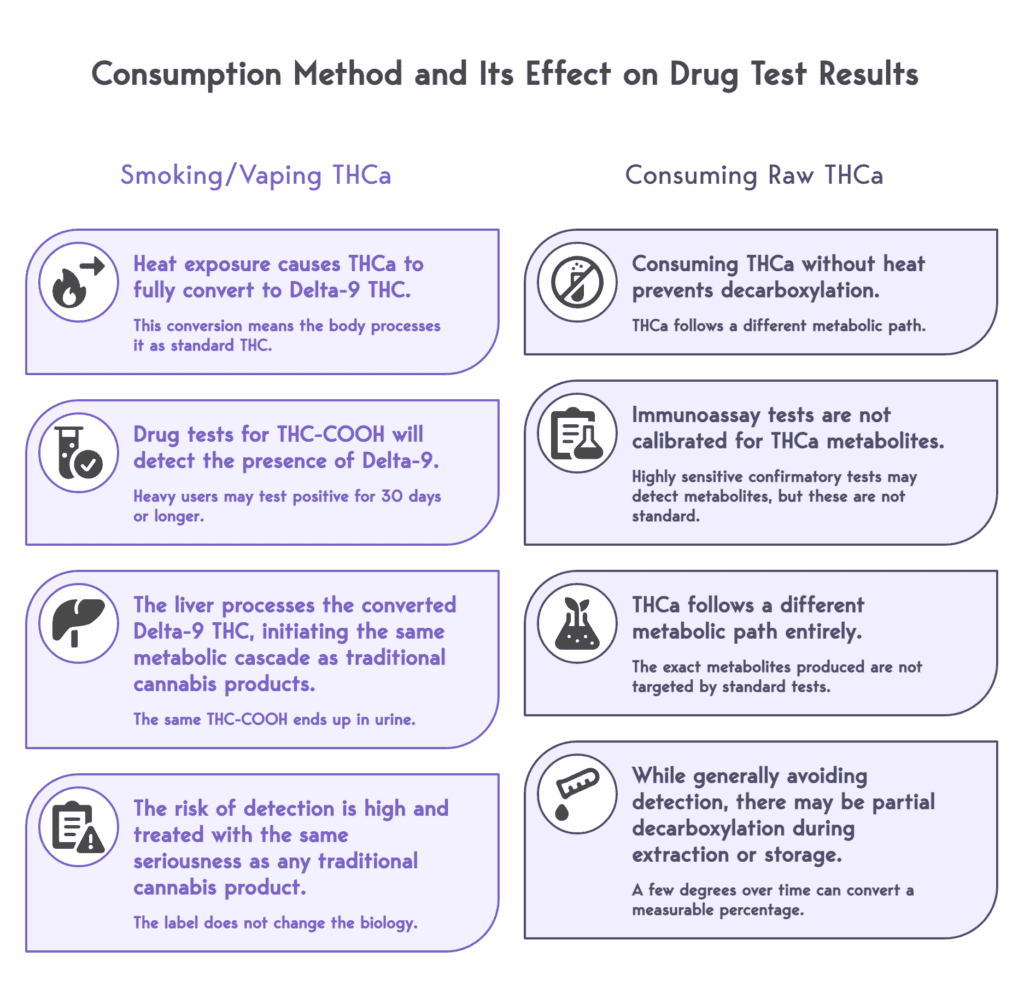
The method of consumption is the single most decisive variable in this conversation. The same compound, consumed in different ways, produces completely different outcomes on a drug test.
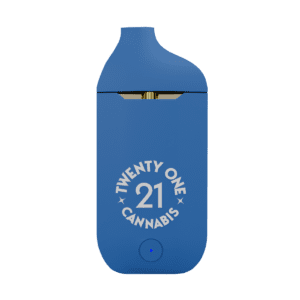
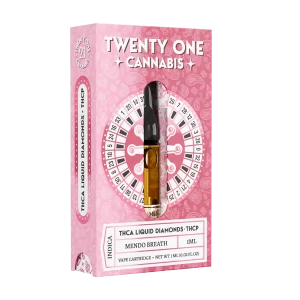
When you light a joint, hit a bowl, or draw from a THCa vape cartridge like the Cookie Monster Indica, the heat involved far exceeds the decarboxylation threshold of roughly 220°F (105°C). Combustion happens at temperatures closer to 1400°F. Vaporization, even at lower settings, still crosses decarboxylation temperature. This means that by the time any compound reaches your lungs, the THCa has already been converted to Delta-9 THC.
From a drug testing standpoint, there is no meaningful distinction between smoking THCa flower and smoking marijuana from a licensed dispensary. The Delta-9 THC entering your bloodstream is chemically identical regardless of whether it originated from raw THCa.
Your liver processes it the same way, CYP2C9 initiates the same metabolic cascade, and the same THC-COOH ends up in your urine. Research on urinary cannabinoid excretion in cannabis users demonstrates that heavy users can test positive for 30 days or longer after stopping use. This window applies equally to THCa flower consumers who smoke regularly.
If you’re someone who vapes a THCa cart daily or smokes Northern Lights THCa Flower a few times a week, treat your testing risk with exactly the same seriousness you would any traditional cannabis product. The label doesn’t change the biology.
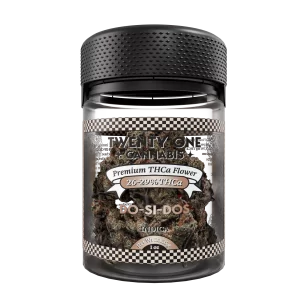
Making edibles involves applying sustained heat, whether you’re decarbing flower in an oven, infusing butter on the stovetop, or baking directly. This process decarboxylates THCa before it’s ever consumed. Someone eating a brownie made with Do-Si-Dos THCa Flower is consuming Delta-9 THC, not THCa, by the time it enters their body.
Edibles add a layer of complexity because oral bioavailability for THC is lower than inhalation, but the liver still processes what it receives into THC-COOH. The detection window for someone who regularly consumes THCa edibles is comparable to that of someone who smokes, potentially longer in some individuals because of how oral ingestion is metabolized through the gut before reaching systemic circulation.
This is where THCa shows how it’s different.
When THCa is consumed without any heat exposure (think raw cannabis juice, unprocessed crystalline THCa added cold to a smoothie, or raw cannabis leaves), decarboxylation does not occur. In the absence of heat, THCa follows a different metabolic path entirely. It does not convert to Delta-9 THC in the body under normal physiological conditions, and standard immunoassay tests that target THC-COOH are not calibrated to detect whatever THCa does produce during digestion.
That said, this exception comes with two meaningful caveats.
Detection windows aren’t fixed numbers. They’re ranges that shift based on the test type, your consumption patterns, and your individual biology. Knowing your test type is what tells you which range actually applies to you.
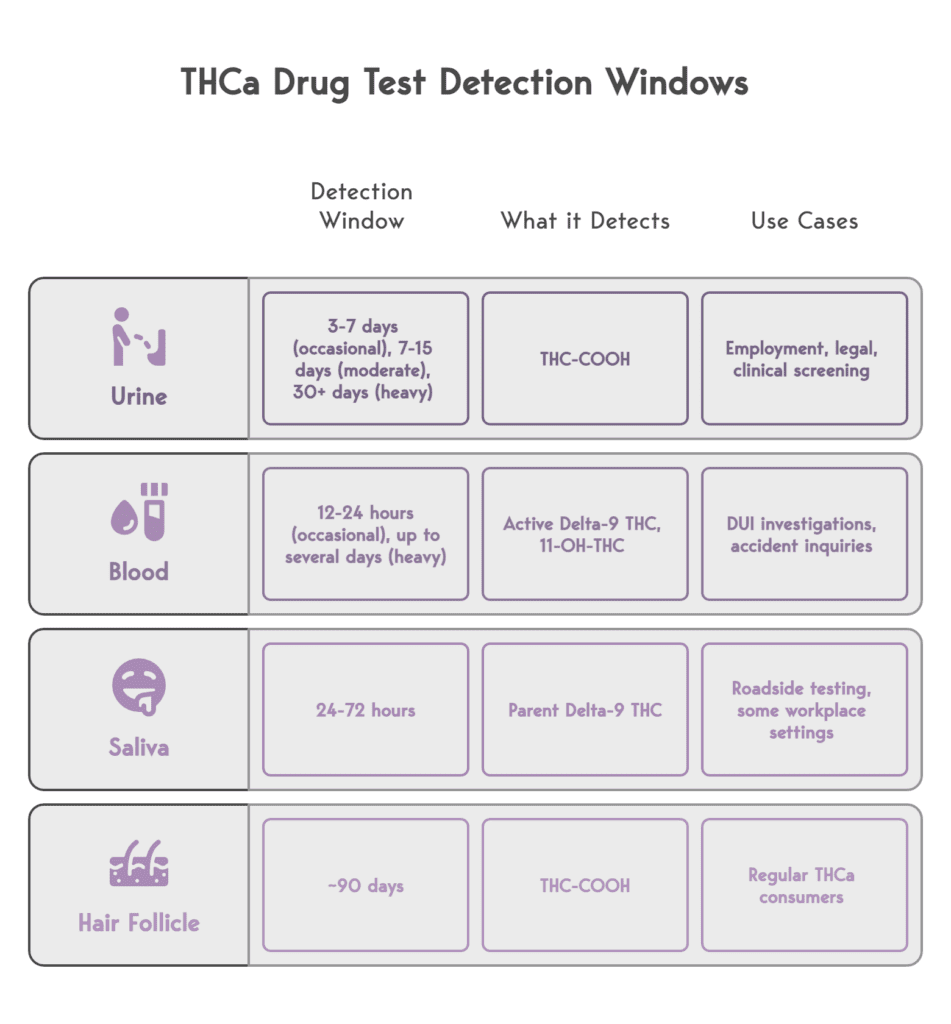
Urine testing is by far the most common method used in employment, legal, and clinical screening. It detects THC-COOH, not active THC, which is why the window extends so far past the point where you stop feeling effects.
General ranges based on clinical data are:
Research tracking THCCOOH elimination in cannabis users during monitored abstinence found detection times of up to 77 days in some heavy chronic users at a 10 ng/mL cutoff, which is far longer than most people assume.
The 50 ng/mL immunoassay cutoff is more commonly used in practice, which shortens detection for lighter users, but the variance between individuals is substantial. Some people clear metabolites in three days; others are still positive at four weeks.
Blood tests detect active Delta-9 THC and its active metabolite 11-OH-THC, which means they measure more recent use than urine. Detection windows are shorter: roughly 12-24 hours for occasional users and up to several days for heavy chronic users.
Blood testing is primarily used for DUI investigations and accident inquiries rather than standard workplace screening.
For THCa consumers, the same conversion logic applies. Once it enters the bloodstream as Delta-9 THC, blood tests can detect it during the active window.
Saliva tests detect parent Delta-9 THC rather than metabolites, which results in a shorter detection window than urine. Most users are within a 24-72 hour window, though research on saliva cannabinoid detection shows that concentrations and detection times vary significantly across individuals and dosing levels.
Roadside testing and some workplace settings are increasingly using oral fluid tests because of their shorter window and on-site convenience.
Hair testing works differently from every other method. THC-COOH gets deposited into the hair shaft through the bloodstream as hair grows, leaving a historical record of use. Standard hair tests examine the most recent 1.5 inches of growth, which corresponds to approximately 90 days.
Unlike urine or blood tests, hair testing cannot tell you when, within that window, the use occurred. A positive result only indicates that the metabolite was present at some point during that period.
For regular THCa consumers, a hair follicle test covering the past three months will almost certainly return a positive result. Occasional use may or may not show depending on the cumulative metabolite deposited. Body hair grows more slowly than head hair and can extend the theoretical detection window significantly.
Two people with similar usage habits can test positive for very different lengths of time. The biology here is individual in ways that make generic detection charts genuinely unreliable for any specific person.
Key factors that shape your actual window:
If you’re going to use THCa products, knowing exactly what’s in them matters more than most brands let on. A product with residual Delta-9 THC above trace levels, even one marketed as fully compliant hemp flower, will accelerate your detection window faster than a clean, properly tested batch.
That’s the kind of information a COA is actually useful for, and it’s why transparency at the product level isn’t a selling point. It’s a baseline.
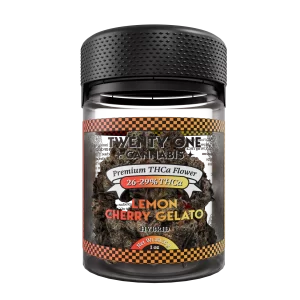
Twenty One Cannabis sources its flower and vape products from carefully vetted farms across Colorado, Oregon, California, and Arizona, with batch-specific Certificates of Analysis available for every product sold. Potency, purity, and cannabinoid ratios aren’t marketing copy. They’re documented and accessible, so you can make an informed decision about what you’re putting in your body and what risk profile comes with it.
Browse our full collection of products and verify the COA for anything you’re considering. That information exists for a reason, and it should be the first thing you look at before you buy.
Unheated, raw THCa is unlikely to trigger a standard immunoassay drug test because it does not convert to Delta-9 THC and therefore does not produce THC-COOH, the metabolite those tests target. That said, this applies only to truly raw consumption with no heat exposure at any stage. Most THCa products on the market involve some degree of heat during use, and even storage or handling can cause partial decarboxylation over time.
Because vaping converts THCa to Delta-9 THC before inhalation, the detection window is the same as standard cannabis. For occasional vapers, urine tests may clear in 3-7 days. Regular or daily vapers should expect 2-4 weeks minimum, with heavy chronic users potentially testing positive for 30 days or longer. Body fat percentage and enzyme activity are the variables that cause the most deviation from these averages.
Pure CBD does not convert to THC-COOH in the body under normal physiological conditions, and standard immunoassay tests are not designed to detect CBD or its metabolites. However, CBD products derived from cannabis plants sometimes contain residual Delta-9 THC. If enough is present and consumed in sufficient quantity, the resulting THC-COOH can exceed the 50 ng/mL cutoff. Full-spectrum products carry more risk than CBD isolates because they contain a broader range of cannabinoids.
Passive inhalation at ambient exposure levels, sitting near someone smoking in a well-ventilated area, is generally considered insufficient to produce a positive result at the standard 50 ng/mL cutoff. Studies on passive inhalation have shown that it takes sustained, enclosed, high-concentration exposure to push a non-user above that threshold. At a 20 ng/mL confirmation cutoff, the risk increases slightly but is still low under typical conditions.
No. Standard drug tests detect THC-COOH regardless of the original source. The metabolite produced from hemp-derived Delta-9 THC and marijuana-derived Delta-9 THC is chemically identical. A positive test result cannot be traced back to whether you used a federally legal hemp product or a state-licensed dispensary product. The “it’s hemp” defense has no standing in workplace or legal drug testing contexts.
An immunoassay is the first-pass screening test. It uses antibody binding to flag samples above a concentration threshold and is designed to be fast and cost-effective, not conclusive. GC-MS (gas chromatography-mass spectrometry) is the confirmatory method — it physically separates compounds and identifies them by molecular weight, making it significantly more specific and harder to fool. A positive immunoassay triggers a GC-MS confirmation. False positives on the immunoassay don’t carry forward once GC-MS is run, which is why confirmation matters if you plan to contest a result.
Increased hydration can dilute urine and temporarily lower the measured concentration of THC-COOH, which can push a borderline sample below the 50 ng/mL threshold. But labs routinely check creatinine levels to assess dilution. A sample with creatinine below 2 mg/dL may be rejected entirely as invalid, requiring a supervised retest. Deliberate flushing is not a reliable strategy and can backfire by drawing more scrutiny rather than less.



Doctor of Pharmacy, Pharmaceutical Sciences University of Colorado
Co-Founder & CEO at Arvida Labs

You must be over 21 to enter.
GET NOTIFIED ABOUT ONLINE SALES AT 21 CANNABIS!