



FOR HIGH ROLLERS
 Lindsey Goldstein
Quick Answer: The best ‘sativa’ strains for energy, focus, and creativity are the ones with the right terpene chemistry, not just a sativa label. In practice, strains like Sour Diesel, Super Silver Haze, Maui Wowie, Lemon Cookie, Tangie, and Chemdawg stand out because they commonly express limonene, alpha-pinene, and terpinolene, terpenes linked to mood elevation, alertness, and clearer thinking.
Potency alone does not predict an energizing effect. What matters most is a batch’s terpene profile and lab data, since the same strain name can feel very different depending on how it was grown, cured, and preserved.
Walk into any cannabis shop, and you’ll hear the same pitch: sativas are for energy and creativity, indicas are for relaxation and sleep. It’s a tidy binary that makes shopping feel simple. The problem is that it isn’t particularly accurate, and the more cannabis chemistry is studied, the clearer that becomes.
The sativa/indica distinction was never built for predicting effects. It originated in botanical taxonomy to describe physical characteristics of the plant, plant height, leaf width, geographic origin, not pharmacology. Sativa plants tend to be tall and narrow-leaved, indica plants short and bushy.
That’s the whole foundation.
Research published in Nature Plants analyzed nearly 300 cannabis samples and found that the sativa/indica labels consumers rely on are primarily driven by a small number of terpenes, not by any consistent genetic distinction between “sativa” and “indica” plants.
The plants labeled sativa weren’t genetically distinct from those labeled indica in any meaningful pharmacological sense. What differed was terpene expression, particularly myrcene concentrations, which tracked most strongly with indica labeling. In other words, the label reflects aroma chemistry, not a guaranteed effect category.
A separate 2023 ecological study from Arizona State University, published in Cannabis and Cannabinoid Research, reached a similar conclusion while also finding that sativa-labeled cultivars were more likely to contain terpinolene as their primary terpene than indicas or hybrids.
That’s a meaningful data point, but it’s also exactly the kind of nuance that gets lost when the industry just slaps a “sativa” sticker on a jar.
If the label isn’t the answer, terpenes are. These aromatic compounds produced by the cannabis plant, at a basic level, create the flavor and smell of a strain, and they interact with the cannabinoid system and broader neurochemistry in ways that meaningfully shape the experience. This concept is often called the entourage effect, and it’s why two strains with identical THCa percentages can feel completely different.
Three terpenes stand out in the context of energy, focus, and creativity:
| Terpene | Primary Effect Profile | Common Strains | Aroma |
| Limonene | Mood elevation, anxiety reduction | Sour Diesel, Lemon Haze | Citrus, lemon |
| Alpha-pinene | Mental clarity, alertness, memory | Jack Herer, Blue Dream | Pine, fresh |
| Terpinolene | Uplifting, creative, alert | Jack Herer, Maui Wowie | Floral, citrus, herbal |
| Myrcene | Relaxing, sedating, body-heavy | OG Kush, Granddaddy Purple | Earthy, musky |
| Beta-caryophyllene | Anti-inflammatory, grounding | GSC, Chemdawg | Spicy, pepper |
With that chemistry context in place, the strain picks below aren’t just reputation-based recommendations. Each one has a terpene profile that holds up under scrutiny and a track record consistent enough to make it a reliable choice rather than a gamble.
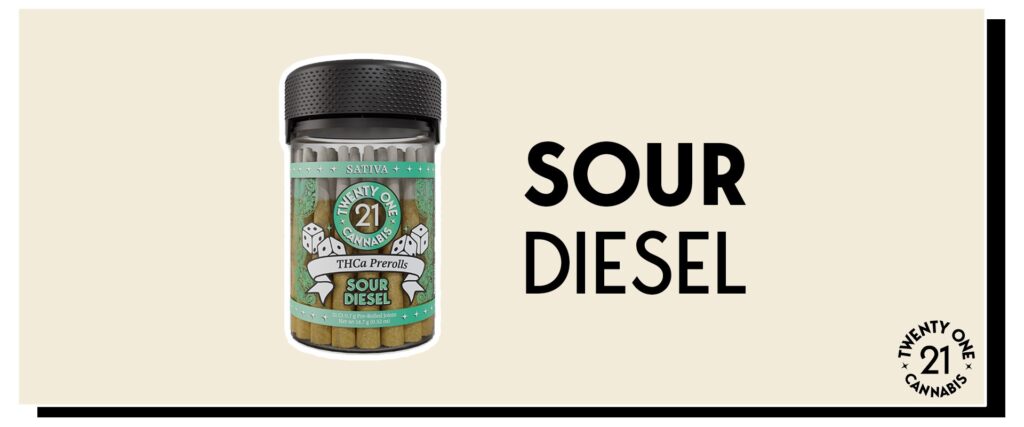
Few strains have held their ground as long as Sour Diesel, and the reason isn’t nostalgia. Its terpene profile, dominated by limonene, myrcene, and caryophyllene in that rough order, creates an effect that’s fast-moving and cerebral without being racy.
The limonene drives the mood lift; the myrcene at relatively low concentrations adds just enough body presence to keep the experience grounded without pulling toward sedation.
What makes Sour Diesel particularly useful for focus-oriented sessions is that the come-up is quick and clean. There’s no extended waiting period or creeping onset. Effects arrive within minutes of smoking and establish themselves before you’ve even sat back down.
The pungent, fuel-forward aroma is a reliable signal that the terpene profile is intact, since degraded or low-quality Sour Diesel tends to smell flat and loses most of its edge. If you want to try it as a preroll, Sour Diesel THCa Prerolls are built from whole premium flower, not trim or shake, at 0.7 grams per joint, making it easy to control your dose without commitment to a full session.
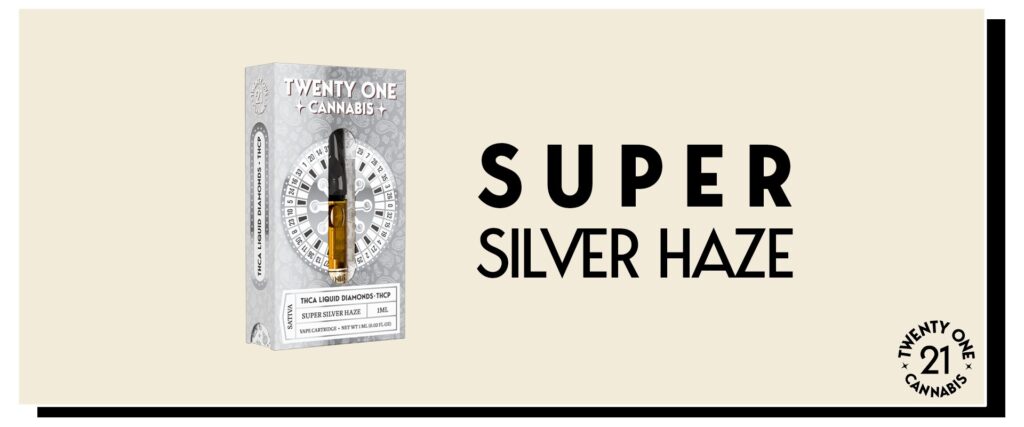
Super Silver Haze has won more Cannabis Cup competitions than arguably any other strain in history, and the reason isn’t marketing.
It’s a cross of Northern Lights, Haze, and Skunk No. 1, and those genetics produce a terpene profile dominated by myrcene, caryophyllene, and limonene that hits a rare balance point: potent enough to satisfy experienced users, yet structured enough to avoid the anxious or scattered feeling that high-THCa strains sometimes trigger.
The limonene does real work here. As research from the PMC demonstrated, limonene actively attenuates THC-induced anxiety in a dose-dependent way, which helps explain why Super Silver Haze consistently earns descriptions like “smooth” and “balanced” despite its potency.
For creative work specifically, writing, music, visual art, and design, it produces an effect that expands association and loosens fixation on the “right” answer without sacrificing coherence. Ideas connect more freely; execution doesn’t suffer.
If you prefer vaping over flower, the THCa & THCp 1ml Vape Cartridge in Super Silver Haze combines THCa liquid diamonds with THCp, Delta-8, and HHC in a 510-thread format that delivers the strain’s earthy-sweet character with a cannabinoid stack that extends the effect profile meaningfully.
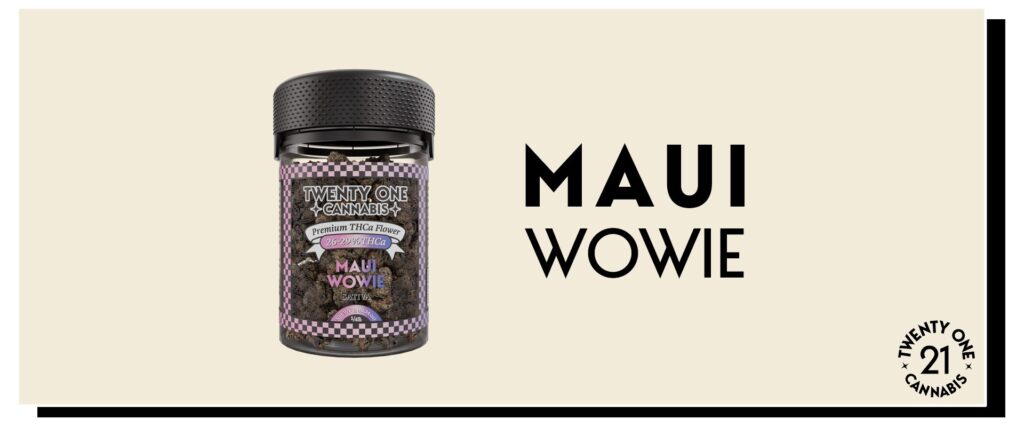
Maui Wowie occupies a category of its own because it’s one of the few remaining strains with genuine landrace Hawaiian genetics still meaningfully influencing its terpene expression. Tropical-origin genetics have historically produced lighter, more functional effect profiles than the dense, resin-heavy genetics that dominated the indoor breeding era, and Maui Wowie is a reliable example of that pattern holding true.
The dominant terpenes are myrcene, pinene, and limonene, with the pinene and limonene doing more expressive work than the myrcene in most good-quality Maui Wowie batches. The result is a strain that reads energetic and mood-forward without the mental weight that some sativas carry.
The effect is particularly well-suited to social contexts. Conversations, outdoor activities, anything where you want to feel genuinely present without being overstimulated.
The pineapple and citrus flavor profile is also one of the more pleasant in the sativa category, making each session easier to enjoy rather than endure for the sake of the effects. Maui Wowie THCa Flower comes in at 25% THCa and is available in a 7-gram jar, giving you enough quantity to properly evaluate the strain across multiple sessions rather than forming an impression from a single joint.
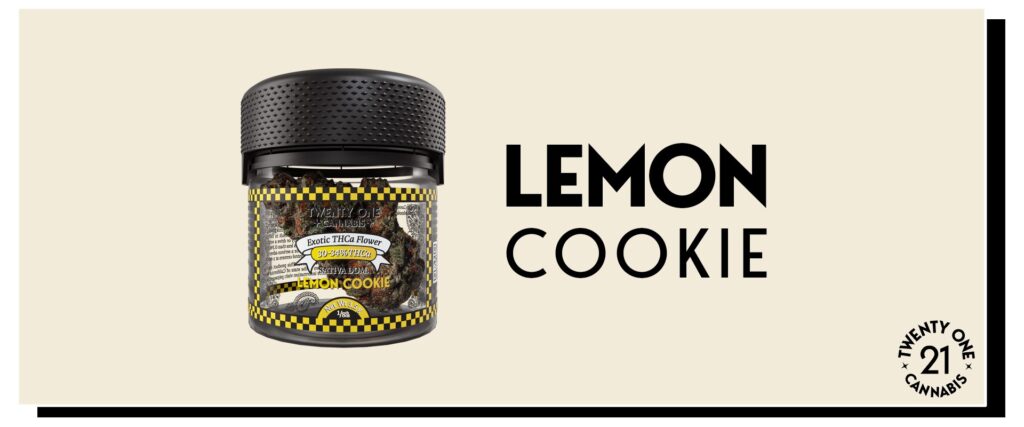
Lemon Cookie is a sativa-dominant strain that threads a needle most cannabis hybrids miss: it delivers genuine citrus-forward limonene expression while layering in the sweetness of GSC (Girl Scout Cookies) parentage beneath it.
That combination produces a terpene profile that’s bright and uplifting at the front, crisp lemon aroma, clean onset, quick mood elevation, with a slightly warmer, more rounded finish than you’d get from a purely fuel-forward sativa like Sour Diesel or Chemdawg.
The result is a strain that reads energizing without feeling sharp, which makes it particularly well-suited to users who want focus-oriented effects but find the harsher end of the sativa spectrum occasionally too racy.
What makes Lemon Cookie interesting from a terpene standpoint is that the Cookie lineage introduces caryophyllene into a limonene-dominant profile, which softens the anxiogenic potential of a high-THCa session in much the same way that limonene itself does. Two different terpene mechanisms work in the same direction, one through serotonin pathway modulation, one through CB2 receptor activity, producing a calmer, more controlled uplifting experience than the cannabinoid percentage alone would suggest.
At 22% THCa with a lemon-citrus and sweet cookie flavor profile, it’s a strain that delivers both on taste and on effect. The Lemon Cookie THCa Flower is available in a 3.5g eighth, independently lab-tested, and worth checking out for anyone who wants an introduction to this strain.
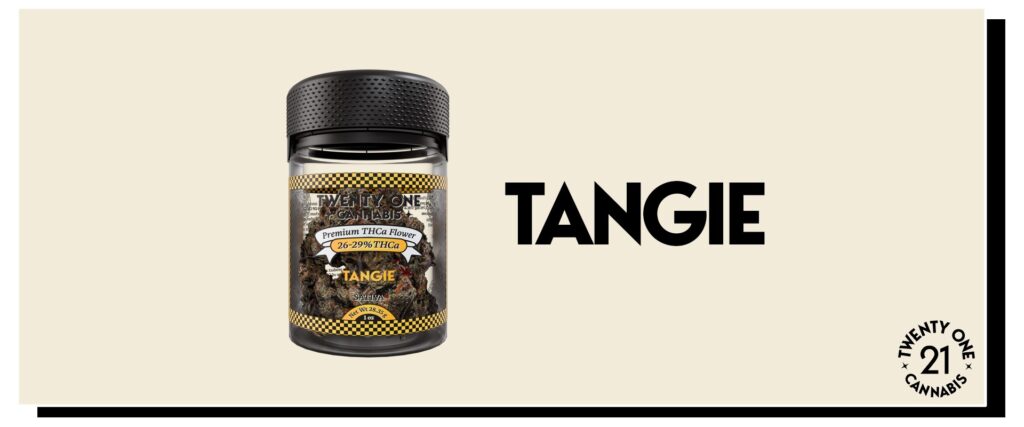
Tangie is one of the most limonene-forward strains in the sativa category, and that distinction shapes everything about how it performs. The genetics trace back to Tangerine Dream and Skunk No. 1, which together produce one of the most pronounced citrus terpene profiles in modern cannabis.
The aroma is genuinely remarkable. Opening a jar of quality Tangie should smell like cracking open a fresh tangerine, not vaguely citrusy in a general way but arrestingly specific.
That limonene dominance has direct functional implications. As discussed earlier, limonene’s role in reducing THC-induced anxiety is one of the better-supported findings in cannabis terpene research. For users who have previously found high-THCa sativas anxiety-provoking, Tangie’s chemistry can make it a decent alternative.
The limonene concentration is high enough that the anxiogenic edge typical of potent THC strains tends to soften considerably. The result is an uplifting, mood-bright experience that stays social and conversational without the edge. At 18% THCa, it sits below the higher end of the catalog, but the effect quality more than compensates for the lower potency number.
This is a strain where the terpene-to-THCa ratio is working correctly rather than being outweighed by raw cannabinoid content and if that profile sounds like what you’ve been looking for, Tangie THCa Flower is available at Twenty One Cannabis in a full ounce jar for anyone who wants to commit to a citrus-forward sativa done right.
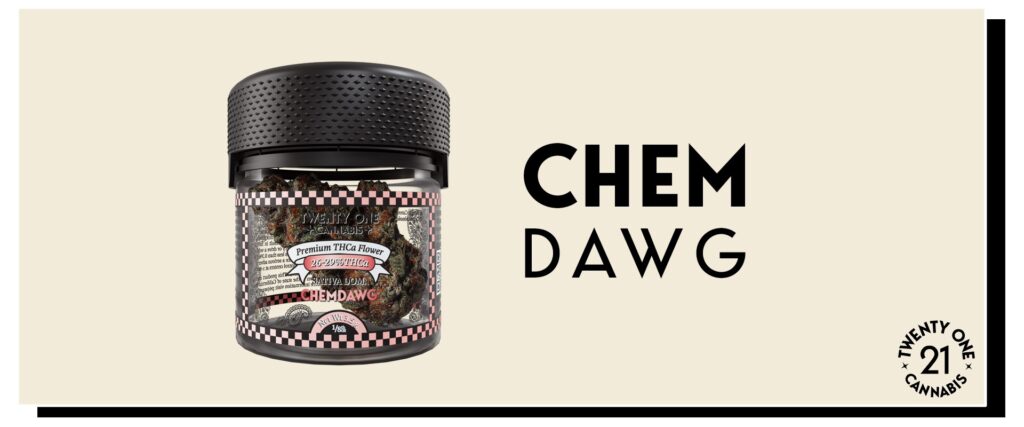
Chemdawg’s place in cannabis history is unusual: it’s widely credited as a genetic parent of both Sour Diesel and OG Kush, which means its influence is felt across two of the most dominant strain families in modern cannabis. The strain itself is a sativa-dominant cultivar with a terpene profile anchored by caryophyllene, limonene, and myrcene, and it’s that caryophyllene-led profile that makes it meaningfully different from the other strains on this list.
Most of the other entries here lead with limonene or terpinolene as the primary effect driver. Chemdawg leads with caryophyllene, which has a notably different character. It’s the only terpene that also acts as a CB2 receptor agonist, meaning it interacts with the endocannabinoid system in a more direct way than most terpenes.
The effect this produces is a cerebral experience with a grounding physical dimension beneath it, which keeps the high from feeling scattered or unmoored. The limonene and myrcene fill out the profile with mood elevation and smoothness.
At 23% THCa with that spicy diesel aroma and fast-hitting onset, Chemdawg is the pick for experienced users who want something with genuine weight behind it — not harsh, but unmistakably present. Chemdawg THCa Flower is available in a 3.5g eighth, independently lab-tested with a COA on file.
| Strain | Primary Terpenes | Best For | Effect Quality |
| Sour Diesel | Limonene, myrcene, caryophyllene | Fast-onset focus, daytime use | Quick, cerebral, fuel-forward |
| Super Silver Haze | Myrcene, caryophyllene, limonene | Creative work, social settings | Balanced, potent, smooth |
| Maui Wowie | Myrcene, pinene, limonene | Outdoor use, social, light creativity | Light, tropical, functional |
| Lemon Cookie | Limonene, caryophyllene, myrcene | Focused daytime use, creative sessions | Citrusy, warm, controlled uplift |
| Tangie | Limonene, myrcene, caryophyllene | Mood elevation, low-anxiety sessions | Citrusy, uplifting, social |
| Chemdawg | Caryophyllene, limonene, myrcene | Experienced users, grounded focus | Spicy, potent, cerebral with body |
Picking an energizing strain based on the name alone is roughly as reliable as picking wine based on label design. The name tells you the cultivar’s lineage. It doesn’t tell you what’s in that specific batch, how the flower was grown, or whether the terpene profile is intact. Here’s what actually matters.
A lot of consumers assume that a higher cannabinoid percentage means more energy. That’s not quite right. Potency determines intensity; it doesn’t determine whether that intensity goes toward clarity and focus or toward sedation and anxiety.
Two strains at exactly the same potency can feel completely different depending on which terpenes are present and in what ratio. The dose-response relationship with THC is non-linear, and the direction it goes depends heavily on the terpene environment surrounding it.
This is part of why microdosing has grown in popularity among functional cannabis users. A smaller amount of a well-formulated, terpene-rich strain consistently outperforms a heavy hit of a high-potency product with a stripped or degraded terpene profile in terms of clear-headed productivity. The goal isn’t maximum potency. It’s the right potency within the right terpene context.
Most consumers look at one number on a Certificate of Analysis: the cannabinoid percentage. That’s understandable, but it leaves most of the useful information on the table. A complete COA from a reputable third-party lab will also include a terpene breakdown, showing exactly which terpenes are present and in what concentrations. That terpene panel is where the real predictive value lives.
When shopping for an energizing, focus-oriented strain, here’s what to look for:
This logic applies equally to flowers and vapes. A cart made with the Super Silver Haze strain with cannabis-derived terpenes intact will feel meaningfully different from one made with stripped oil and added botanical terpenes, even if the potency number looks the same.
Here’s something the listicle-style strain guides rarely mention: the same strain name from two different growers can produce meaningfully different effects.
“Sour Diesel” from a Colorado farm and “Sour Diesel” from a California farm may share genetic lineage, but test differently for terpenes depending on soil, light, harvest timing, and curing practices. Genetics provide a blueprint; environment shapes the expression.
This is the core reason batch-specific lab data matters more than brand reputation alone. Two jars with the same label should still be verified independently.
A strain name on packaging is only as reliable as the brand standing behind it. Twenty One Cannabis sources THCa flower from vetted farms in Colorado, Oregon, California, and Arizona. These are all farms that have been visited in person, not just approved on paper.
Every batch goes through independent third-party lab testing, with COAs available to customers before they buy. That means the terpene transparency and cannabinoid data this article is built around is actually verifiable when you shop here, not an abstraction.
Most brands sell you a strain name. Twenty One Cannabis gives you the lab data to know whether that strain name means anything in a given batch. Whether you’re picking up Maui Wowie flower for a creative afternoon or a Super Silver Haze cart for a clean daytime session, the quality standard holds across the catalog.
Browse our full collection of sativa strains and products and shop with confidence knowing exactly what’s inside.
Sativa strains are widely associated with energizing effects, and many users do experience increased alertness and motivation. But the effect comes from specific terpene profiles, primarily limonene, alpha-pinene, and terpinolene, not the sativa classification itself. A sativa-labeled strain low in these terpenes may feel no different from a hybrid. What you’re really seeking is the right terpene chemistry, and some sativas deliver that reliably while others don’t.
The three most relevant terpenes for energy and focus are limonene, alpha-pinene, and terpinolene. Limonene is linked to mood elevation and anxiety reduction. Alpha-pinene may support memory and alertness by influencing acetylcholine signaling. Terpinolene produces a bright, alert, stimulating character. When all three are present in meaningful concentrations, the resulting effect profile tends to be functionally energizing without feeling jittery or scattered.
Yes, it can, especially at high doses or in users sensitive to THC. High-potency THCa flower converts to THC when smoked or vaped, and THC has well-documented anxiogenic potential in some individuals at elevated doses. The good news is that terpenes like limonene actively buffer this effect. Strains rich in limonene tend to feel less anxiety-provoking than equivalently potent strains without it. Starting with a lower dose and choosing terpene-rich, lab-tested flower is the most reliable mitigation strategy.
A pure sativa is a cultivar bred from primarily sativa-origin genetics, often with landrace ancestors like Haze, Durban Poison, or Thai. A sativa-dominant hybrid crosses sativa genetics with some indica influence, usually done to improve yield, reduce plant height, or introduce specific terpene traits. In practice, many of the most popular “sativa” strains we have in the market are technically hybrids with strong sativa terpene expression. The functional difference matters less than the actual terpene profile and cannabinoid ratio of the specific product.
Several variables affect the effect profile of a given strain batch-to-batch: growing environment, harvest timing, curing practices, and storage conditions all influence terpene retention. A strain grown outdoors in natural soil may express its terpene profile differently than the same genetics grown indoors under artificial light. This is why COA data matters on a per-batch basis rather than just by strain name. Terpene content degrades over time and with improper storage, so freshness and handling matter as much as genetics.
Generally, yes, particularly those with terpene profiles dominated by limonene, pinene, and terpinolene. These terpenes support alertness and mood without the sedating effects linked to high myrcene concentrations. That said, individual sensitivity varies significantly. Some users find high-terpinolene strains like Durban Poison too stimulating for productive work, while others do their best work with a potent, limonene-rich cultivar. The most accurate answer is that the right daytime strain depends on your personal terpene response, not a universal sativa rule.




Doctor of Pharmacy, Pharmaceutical Sciences University of Colorado
Co-Founder & CEO at Arvida Labs

You must be over 21 to enter.
GET NOTIFIED ABOUT ONLINE SALES AT 21 CANNABIS!