


FOR HIGH ROLLERS

 Fabian Raemy
Quick Answer: THCh (tetrahydrocannabihexol) is a high-potency hemp-derived cannabinoid that produces fast-acting, intense psychoactive effects when vaped. It sits above THCa-converted Delta-9 in potency but below THCp in both intensity and duration. Most users feel onset within minutes, reach peak effects around 15–30 minutes, and can expect a 4–6 hour session — longer than a standard THC high, but far more manageable than THCp’s marathon. If you’re an experienced cannabis user looking to step up from THCa vapes, THCh is one of the more interesting options on the market right now.
Every few months, a new cannabinoid shows up with claims that sound like they were written by a marketing team, not a chemist. THCh is the latest one showing up on shelves and in search results, often described as “cleaner than THCp” and “more energetic than THCa.”
Some of that holds up. Some of it is noise. If you’ve been around long enough to know that a new cannabinoid label doesn’t automatically mean a better experience, you’re the right person for this breakdown.
This isn’t a hype piece. THCh is a real compound with documented chemistry and a distinct effect profile, but it also comes with real potency and real dosing requirements that most product pages gloss over. Before you grab a THCh vape based on a two-line description, here’s what you actually need to know.
Most people encounter THCh for the first time when they’re already familiar with THCa and THCp. It tends to get positioned as the middle option: more potent than straightforward THCa, less overwhelming than THCp. That framing is roughly accurate, but it leaves out the chemistry that explains why, and the chemistry is what actually helps you predict how a product will behave.
THCh stands for tetrahydrocannabihexol. The “hex” in the name refers to hexyl, a 6-carbon alkyl side chain attached to the molecule’s resorcinyl moiety, which is the structural segment that determines how well the cannabinoid fits into receptor binding sites in the brain.
Delta-9 THC, the cannabinoid most people are familiar with, has a 5-carbon (pentyl) side chain. THCh has six carbons. THCp, for comparison, has seven. That one-carbon difference between Delta-9 and THCh might sound trivial, but it has a meaningful effect on how tightly the molecule latches onto CB1 receptors, which is what drives psychoactive intensity.
Research published in Scientific Reports formally identified THCh (alongside its non-psychoactive counterpart CBDh) in 2020, when Italian researchers detected both compounds in a medicinal cannabis variety called FM2.
The natural concentration found was extremely low and not nearly enough to extract in any commercially useful quantity. That means the THCh in vapes and other consumer products is synthesized from hemp-derived CBD isolate, not pulled directly from the plant.
The CB1 receptor is the primary target for psychoactive cannabinoids in the brain. The longer a cannabinoid’s alkyl side chain, the more surface contact it can make within the CB1 binding pocket, which generally increases binding affinity up to a point.
THCh attaches to CB1 receptors with approximately 10% greater affinity than Delta-9 THC. That’s a real but modest structural advantage over Delta-9 and very different from THCp, which binds at roughly 33 times the affinity.
This is worth pausing on, because the “10x stronger than THC” claims that float around online have no solid sourcing behind them. The actual research-backed figure is a roughly 10% binding advantage, not a 10x potency multiplier. That distinction matters when you’re trying to predict how a product will hit.
| Cannabinoid | Side Chain Carbons | CB1 Binding vs. Delta-9 | Typical Duration (Vaped) | Effect Character |
| Delta-9 THC | 5 (pentyl) | Baseline | 2–4 hours | Balanced, well-documented |
| THCa (decarbed) | 5 (pentyl) | ~Equivalent | 2–4 hours | Identical to Delta-9 after heating |
| THCh | 6 (hexyl) | ~10% higher | 4–6 hours | Cerebral-forward, then physical |
| THCp | 7 (heptyl) | ~33x higher | 12–24+ hours | Heavy, sedating, long-lasting |
Receptor binding affinity tells you something, but it doesn’t tell you everything. The actual experience of vaping THCh is shaped by more than molecular structure.
Terpene profile, blend composition, your personal tolerance, and even what you ate that day all play a role. That said, consistent patterns emerge across user reports, and they paint a fairly clear picture of what THCh vaping tends to look like in practice.
One of the practical advantages of vaping THCh over eating it in an edible is the feedback loop. When you vape any cannabinoid, the onset is fast enough that you know within 10–20 minutes whether you’ve had enough. With THCh specifically, most users report feeling the onset within minutes of the first puff, with effects building toward a peak around 15–30 minutes in.
Duration is where THCh earns some of its attention. A vaped THCh session typically runs 4–6 hours for most users, which is meaningfully longer than a standard Delta-9 or THCa high, which usually wraps up in 2–4 hours. That extended window makes it more useful for situations where you want sustained effects, but it also means you can’t treat it the same way you’d treat a quick THCa cart hit. You’re committing to the experience when you pick up a THCh vape.
This is also what separates THCh from THCp in practical terms. THCp can linger for 12 hours or more. Some users report residual effects the next day, which isn’t something most people want/like. THCh’s 4–6 hour window is intense, but it’s a session you can actually plan around.
The experience of vaping THCh is commonly described as cerebral-forward. Early effects tend to include heightened sensory awareness, accelerated thinking, and a pronounced mental activation that some users find excellent for creative work or social settings.
This is particularly true with sativa-profile THCh products, where the terpene blend is designed to sustain that upward, energetic character.
As the experience progresses, most users report a gradual shift into physical relaxation, a transition that becomes more pronounced with indica-leaning THCh products. The cerebral component doesn’t disappear, but the body effects catch up over time. By the two-to-three hour mark, many users are settled into something closer to deep physical calm layered on top of a still-active mental state.
This profile puts THCh in a different lane than THCp. THCp tends to hit with heavier sedation and body effects from the start, especially at the doses required to feel it. THCh feels more functional, more legible, which is part of why experienced users who found THCp too heavy often land on THCh as their preferred high-potency option.
If you’ve already tried THCa vapes, you have a solid reference point. When THCa is vaped, the heat decarboxylates it in real time and converts it to Delta-9 THC before it reaches your system.
The experience is essentially a Delta-9 high through a hemp-compliant product. THCh, by contrast, is already in its final psychoactive form. It doesn’t need heat to activate, and its slightly stronger CB1 binding produces a noticeably more intense and longer-lasting experience than a well-made THCa cart.
THCp vapes are the other common comparison. If THCh is a step up from THCa, THCp is several steps beyond THCh. The receptor binding advantage THCp holds is dramatically larger, the duration is significantly longer, and the margin for overconsumption is much smaller. Users curious about high-potency cannabinoids but not yet confident in THCp territory often find THCh to be the more forgiving starting point.

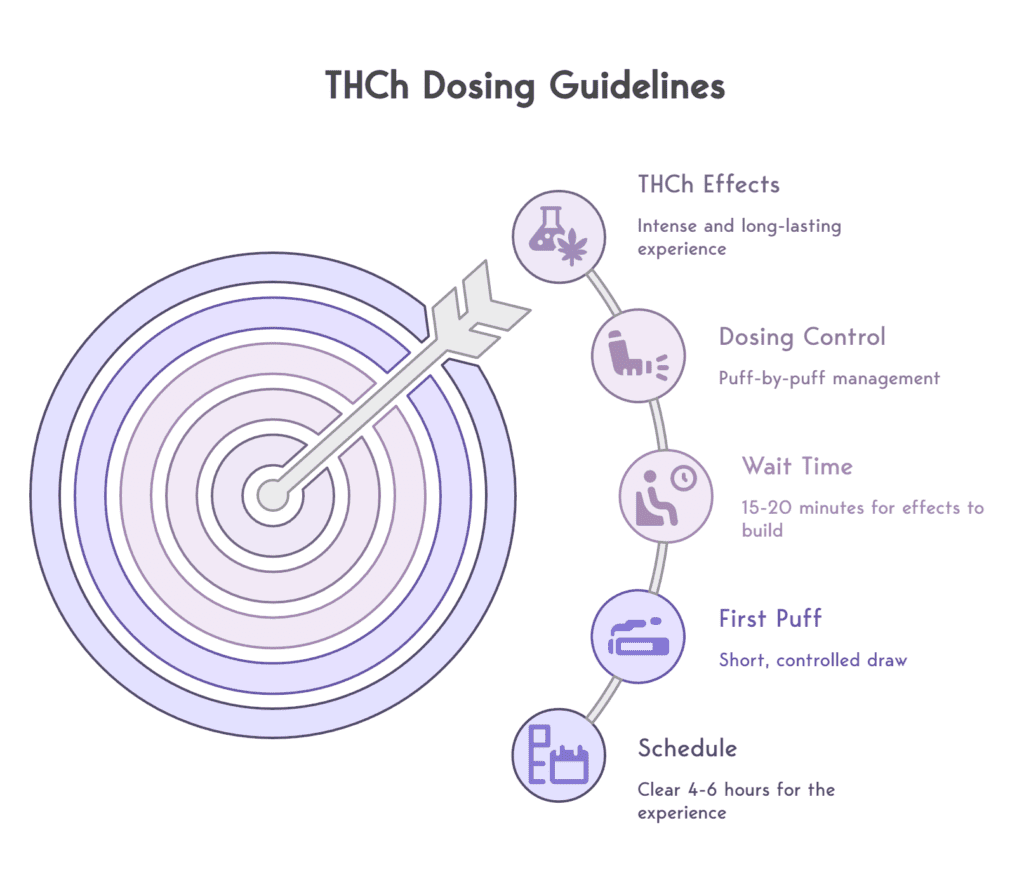
Dosing is the part of the THCh conversation that most product pages handle with a single sentence: “start low and go slow.” That’s technically correct, but it tells you nothing about what “low” actually means, why it matters more with THCh than with cannabinoids you’re probably used to, or what happens when you ignore it.
If your baseline is THCa carts, you probably have a reasonably calibrated sense of how many puffs it takes to feel something. That calibration does not transfer to THCh. The CB1 binding advantage, combined with the longer duration, means that what feels like a modest amount in the moment can become a far more intense experience 20 minutes later.
Industry guidance across the board puts the starting point at 1–2 short puffs maximum for a first session, regardless of how high your THCa tolerance is.
We’re not being overly cautious here. It’s the realistic starting point based on how the compound actually behaves. Additional puffs rarely meaningfully add to a well-dosed THCh experience, and they frequently push things past comfortable.
Consider these practical guidelines before your first session:
When it comes to high-potency cannabinoids like THCh, format matters as much as the compound itself. Edibles that contain THCh follow the same unpredictable, slow-building, long-lasting pattern that any cannabinoid edible does, except the potency ceiling is higher and the onset is delayed long enough that overconsumption becomes a much easier mistake to make.
Vaping gives you puff-by-puff control with real-time feedback. You feel the onset quickly, which means you can stop before you’ve gone further than intended. Temperature also plays a bigger role than most people realize. Higher temps pull more vapor but can also degrade terpenes and produce a harsher hit, which is particularly worth noting with high-potency distillate products.
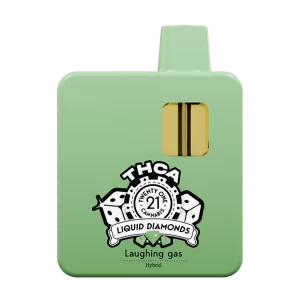
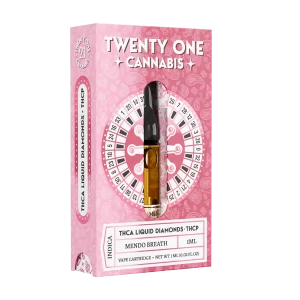
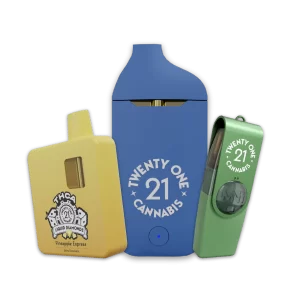
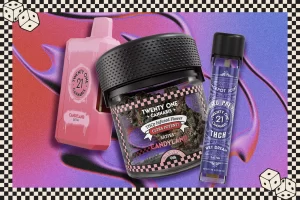
We don’t currently carry THCh vapes, but if you want to experience what this cannabinoid actually feels like, there are two formats in our lineup worth knowing about. Both give you real THCh in well-formulated products with the kind of testing transparency you should expect from any high-potency cannabinoid.
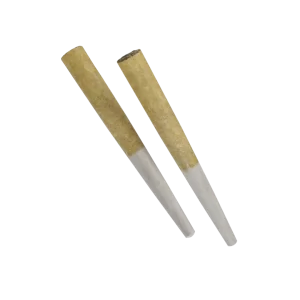
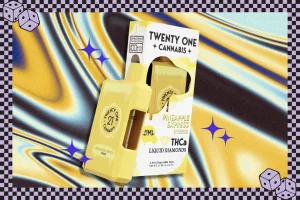
The Jackpot Joint THCh 1.75g Infused Preroll in Pineapple Punch is one of the more interesting ways to try THCh for the first time. The sativa-leaning Pineapple Punch terpene profile keeps the experience bright and upward, and the infused preroll format naturally slows you down.
You’re pacing yourself over a session rather than pulling full hits of concentrated distillate back-to-back. For users who want to gauge their THCh tolerance before committing to a vape format, this is a practical starting point. At 1.75g, it’s a substantial preroll built for real sessions, not a novelty item.
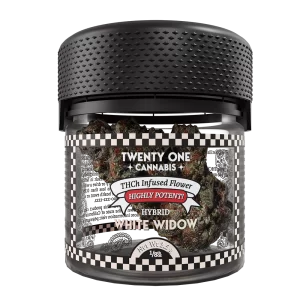
If you want to use your own device and control the experience puff-by-puff, the THCh Flower 3.5g in Blueberry Dream (Sativa) gives you exactly that. It’s THCa flower infused with THCh distillate, which means you get the full-spectrum terpene character of Blueberry Dream’s sweet, berry-forward profile alongside the amplified potency that THCh brings.
Loading this into a dry herb vaporizer lets you dial in temperature and pull size in a way that most pre-built vape products don’t allow. The sativa genetics keep the cerebral effect character prominent throughout.
For evening use or anyone who wants the indica version of that experience, the THCh Flower 3.5g in Ice Cream Mintz (Indica) shifts the profile into deeper physical relaxation territory.
The minty, creamy terpene character of Ice Cream Mintz pairs with THCh’s effect arc in a way that makes the physical phase of the experience, that gradual settling into body relaxation, feel more pronounced and intentional. Best reserved for evenings, slow days, or any time you don’t need to be functional afterward.
When you’re working with cannabinoids that have real potency behind them, sourcing and transparency stop being nice-to-haves. They’re the whole ballgame. Twenty One Cannabis sources from carefully vetted farms across Colorado, Oregon, California, and Arizona, and every batch goes through independent third-party lab testing before it reaches a product page. COAs are accessible to every customer and not buried behind a QR code you have to hunt for.
The THCh products in our lineup use authentic strain genetics and formulations built for consistency, not shock-value potency claims. If you want to know what’s in what you’re buying before you buy it, that’s exactly what we’re built around.
Browse our full collection of products and find the right fit for where you are in your cannabinoid journey.
THCh is modestly stronger than Delta-9 THC at the receptor level. Research indicates it binds CB1 receptors with approximately 10% greater affinity than Delta-9. In practical terms, this translates to a more intense and longer-lasting experience rather than a dramatically more potent one. The most noticeable difference for most users is duration — 4–6 hours versus Delta-9’s typical 2–4 hours.
Vaped THCh typically produces effects lasting 4–6 hours for most users. This is longer than standard Delta-9 THC or decarbed THCa, but significantly shorter than THCp, which can produce effects lasting 12–24 hours or more. The extended duration is one reason dosing conservatively matters. You’re committing to a longer window than you might be used to.
Yes. THCh is a psychoactive THC analog that metabolizes through many of the same pathways as Delta-9 THC. Standard immunoassay drug tests screen for THC-COOH metabolites, and THCh is likely to trigger a positive result. If you have an upcoming drug test, avoid THCh products. The same logic that applies to THCa, THCp, and Delta-9 applies here.
THCh has a 6-carbon alkyl side chain; THCp has 7. That structural difference makes THCp significantly more potent. Research suggests THCp binds CB1 receptors roughly 33 times more strongly than Delta-9, compared to THCh’s approximate 10% advantage. THCp also lasts considerably longer (12–24+ hours vs. 4–6 hours for THCh) and tends to produce heavier sedation. THCh is the more practical, manageable option for most users.
THCh vapes are not well-suited for beginners. The potency, the extended duration, and the synthesized nature of the compound all make it better suited for users who already have a solid baseline with cannabinoids like THCa or Delta-9. If you’re newer to cannabis and curious about potency, starting with a well-made THCa vape gives you a predictable, well-understood experience that provides a much better foundation.
THCa vapes convert to Delta-9 THC when heated, producing a familiar, well-rounded high. THCh feels more intense and lasts considerably longer. The onset is similarly fast, but the experience tends to be more cerebral and mentally active at the peak, with a more pronounced physical phase as effects progress. Users who find THCa comfortable but want something with more duration and depth often land on THCh as the logical next step.


Doctor of Pharmacy, Pharmaceutical Sciences University of Colorado
Co-Founder & CEO at Arvida Labs

You must be over 21 to enter.
GET NOTIFIED ABOUT ONLINE SALES AT 21 CANNABIS!