

FOR HIGH ROLLERS
 Fabian Raemy
Quick Answer: THCa vs THCp represent opposite ends of the experience we’ve come to expect from cannabis. THCa is non-psychoactive until heated and converted to THC, while THCp is one of the most potent psychoactive cannabinoids known, with binding affinity up to 33 times stronger than regular THC. THCa offers potential wellness benefits without intoxication in its raw form, whereas THCp delivers intense euphoric effects even at very small doses.
THCa and THCp sit at opposite ends of the cannabinoid spectrum. One won’t get you high at all (unless you heat it), while the other is among the most potent psychoactive compounds found in cannabis. Knowing the difference between THCa vs THCp determines whether you’ll experience wellness benefits without impairment or effects that dwarf regular THC.
Research published in Scientific Reports in 2019 revealed THCp binds to CB1 receptors approximately 33 times stronger than Delta-9 THC. Meanwhile, THCa stays completely non-psychoactive in its raw form due to its carboxylic acid group. This structural difference changes everything, from dosing (0.5mg vs 25mg) to duration (8 hours vs 4 hours) to legal status.
Whether you’re a strain-focused consumer chasing specific effects or someone interested in cannabinoids for wellness, this comparison breaks down what actually matters: potency, effects, safety, and which one fits your needs.
THCa (Tetrahydrocannabinolic Acid), the non-psychoactive precursor to THC, is found in raw cannabis plants, containing a carboxylic acid group (COOH) that prevents psychoactive effects until removed through heating (decarboxylation).
THCa exists as the natural form of THC in living cannabis plants before any processing. This cannabinoid acid makes up to 30% of the plant’s cannabinoid content in potent strains. The additional carboxylic acid group in THCa’s structure blocks it from binding to CB1 receptors. That’s why eating raw THCa cannabis won’t get you high.
Heat changes everything. When you smoke, vape, or bake cannabis above 220°F (104°C), the carboxylic acid group releases as CO₂, leaving psychoactive Delta-9 THC behind. This instant conversion explains why THCa flower hits immediately when smoked, despite testing at minimal THC levels.
This chemistry matters for legal products. Many THCa flower products contain less than 0.3% Delta-9 THC by dry weight, meeting federal hemp requirements. Once heated, these products work exactly like traditional cannabis since the THCa converts to THC.
THCa, the raw form of THC, has a molecular formula of C₂₂H₃₀O₄. What makes it different is an extra carboxylic acid group, which is why chemists call the common version THCa-A. There’s also a rare type called THCa-B, but it only shows up in tiny trace amounts.
How you store cannabis really matters. Studies show that THCa slowly converts into THC even in the freezer, and exposure to heat, light, or oxygen speeds up the breakdown. This is also why older flower often show higher levels of CBN, a compound that forms as THC continues to degrade.
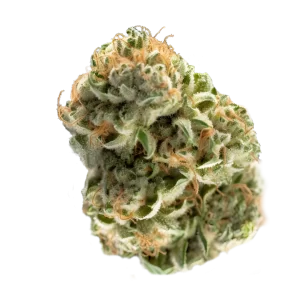
On the plant itself, THCa is made in the trichomes; the frosty crystals covering the flower. Here, an enzyme called THCa synthase converts CBGa (the “mother cannabinoid”) into THCa during flowering, with levels peaking when the trichomes are fully mature.
THCa’s non-psychoactive nature opens doors for daytime use. Research in the British Journal of Pharmacology shows THCa may protect brain cells through antioxidant activity and inflammatory pathway modulation. These properties suggest support for cognitive function without impairment.
The compound targets inflammation differently than other cannabinoids. Studies indicate THCa inhibits the same enzymes as ibuprofen, while also interacting with PPARγ receptors involved in inflammation regulation. This dual mechanism sets THCa apart from both THC and CBD.
For nausea and appetite, THCa shows promise without the high. Animal research suggests it influences serotonin receptors tied to nausea while potentially affecting ghrelin, the hunger hormone. Medical patients often choose THCa for daytime symptom management, using raw preparations to avoid psychoactive effects.
These statements have not been evaluated by the FDA. THCa products are not intended to diagnose, treat, cure, or prevent any disease. Due to its fairly recent discovery, THCa isn’t as extensively researched as other cannabinoids like CBD.
Raw consumption keeps THCa non-psychoactive. Fresh cannabis can be juiced with a masticating juicer. You should avoid centrifugal juicers as their heat might start converting THCa to THC. Cold-extracted tinctures using high-proof alcohol preserve the acid form for sublingual dosing without psychoactive effects.
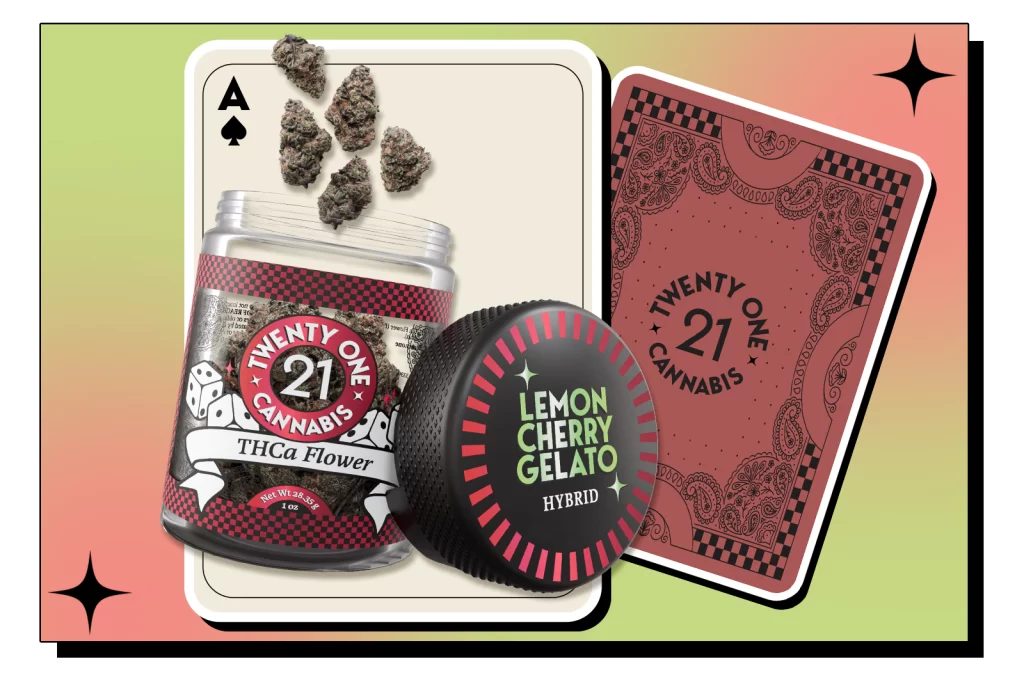
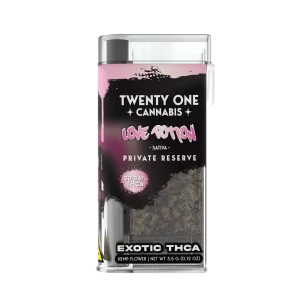
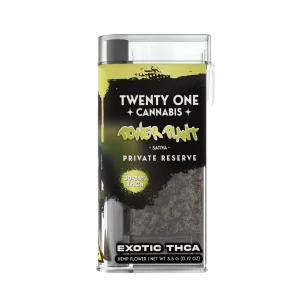
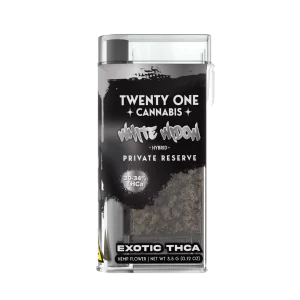
For psychoactive effects, THCa flower works like regular cannabis. Products like Lemon Cookie THCa flower or White Runtz THCa flower convert to THC instantly when smoked or vaped, delivering traditional cannabis effects while remaining federally compliant before consumption.
Topical THCa products avoid psychoactive concerns entirely. THCa-infused balms may provide localized support without systemic effects or drug test worries, though skin penetration research continues.
THCp (Tetrahydrocannabiphorol) is a highly potent psychoactive cannabinoid discovered in 2019, featuring a seven-carbon alkyl side chain that allows up to 33 times stronger binding to CB1 receptors compared to Delta-9 THC.
Italian researchers discovered THCp in 2019 while analyzing the FM2 medical cannabis strain. Two extra carbon atoms on its alkyl side chain transform it into one of the strongest naturally occurring cannabinoids known. This modification doesn’t just increase potency; it fundamentally changes receptor interaction.
THCp’s seven-carbon chain (versus THC’s five) fits deeper into CB1 receptor binding pockets, creating a bond measured at 1.2 nanomolar affinity; about 33 times stronger than THC’s 40 nM. This tighter binding means stronger effects, longer duration, and the need for extreme dosing caution.
The compound appears naturally in cannabis but only in trace amounts (less than 0.1%). This rarity explains why some strains hit harder than their THC percentages suggest; they might contain small amounts of THCp, amplifying the overall experience.
THCp’s 1.2 nM binding affinity doesn’t mean you’ll get 33 times higher than with THC. Cannabinoid receptors have saturation limits, and individual responses vary wildly. What it does mean is that effects start at 0.5-2mg instead of 5-20mg, last 4-8 hours instead of 2-4, and can overwhelm even experienced users.
Users report THCp feels like high-dose THC with distinct characteristics; more body effects, longer duration, and what some call a “cleaner” high. The onset mirrors THC when vaped or smoked, but effects persist much longer due to stronger receptor binding.
Dosing requires precision. Where THC users might eyeball amounts, THCp demands measured doses. First-timers should start at 0.5mg maximum and wait two hours minimum before redosing. Even regular THC users find THCp surprisingly intense. Tolerance doesn’t transfer directly so it’s important to proceed with some caution here.
Comparing THCa vs THCp means examining cannabinoids at opposite extremes. One won’t get you high unless heated; the other ranks among the strongest psychoactive compounds in cannabis. Both come from the same plant but serve completely different purposes for different users.
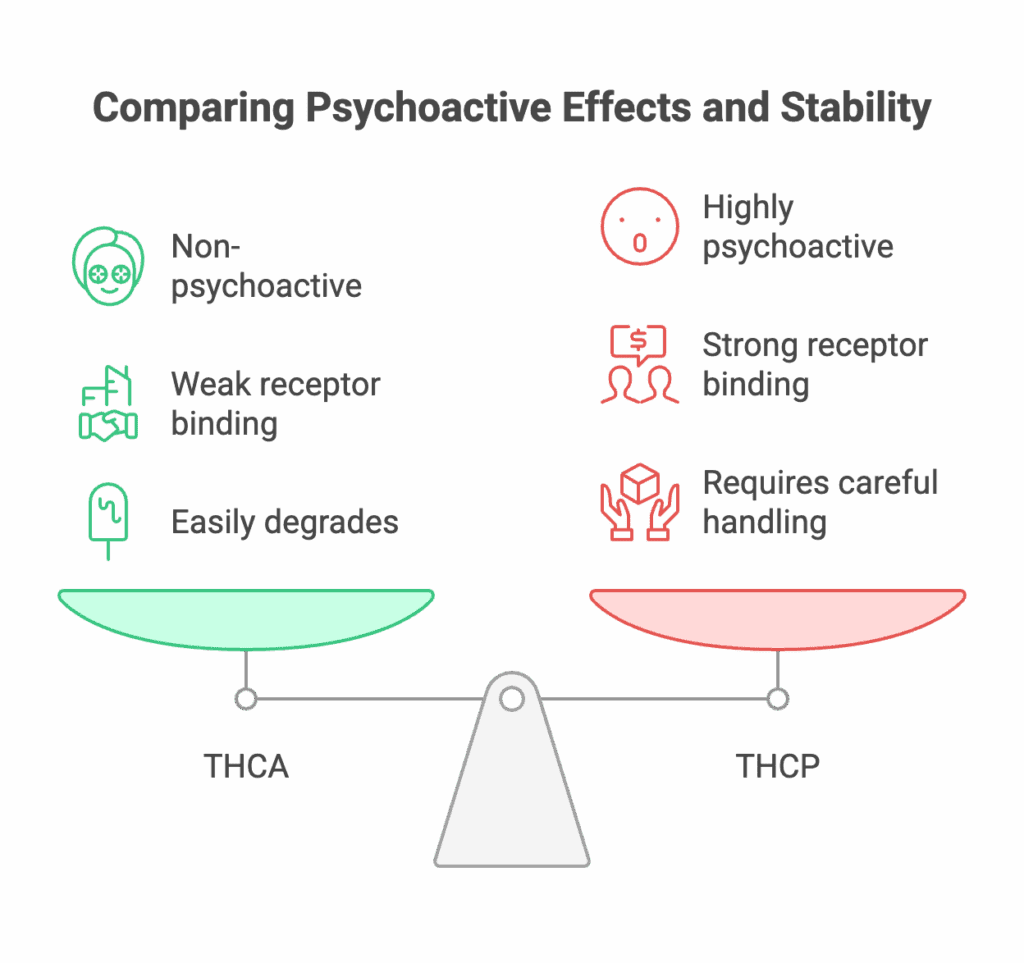
THCa’s carboxylic acid group (COOH) blocks psychoactive effects by preventing CB1 receptor binding. The molecule’s shape and polarity stop it from crossing the blood-brain barrier effectively. Heat removes this group, creating psychoactive THC.
THCp’s seven-carbon chain creates the opposite effect with maximum receptor binding. Those two extra carbons let THCp sink deeper into CB1 receptors, forming bonds 33 times stronger than THC. This isn’t just “more potent”, it’s a different interaction that may trigger unique cellular responses.
Storage and stability reflect these structures, too. THCa degrades easily, converting to THC with minimal heat or time. THCp stays stable longer but requires careful handling. The cannabinoid has a potency that makes accidental overconsumption a real risk.
For psychoactive potency, THCp wins by miles. Raw THCa produces zero psychoactive effects while THCp ranks as one of the strongest cannabinoids known. Even when THCa converts to THC through heating, it can’t match THCp’s receptor binding strength.
Here’s some rough math. 25% THCa flower yields about 21.75% THC after decarboxylation (accounting for CO₂ loss). Strong stuff, but THCp at 0.5-1mg can match or exceed those effects. That’s efficiency on a different scale.
For non-intoxicating benefits, THCa takes the lead. Its anti-inflammatory and neuroprotective properties work without impairment, making it practical for daytime use. THCa’s “strength” lies in versatility. You choose whether to activate it or not.
THCa fits users wanting inflammation support without getting high. Research points to potential neuroprotective and anti-inflammatory benefits that work during normal daily activities. Products like raw cannabis juice or THCa preparations provide these benefits without impairment.
THCp suits experienced users with high tolerance or severe symptoms needing maximum receptor activation. Conditions like treatment-resistant pain or profound insomnia might respond to THCp’s intensity where regular THC falls short. The trade-off: zero room for dosing errors.
Many users consume both; either separately or in products that include both cannabinoids. THCa is great for daytime wellness, while carefully measured THCp can work for evening relief. A working professional might juice raw cannabis in the morning, then use minimal THCp doses for nighttime pain management. The key is matching the cannabinoid to your situation.
Property | THCa | THCp |
Psychoactive (Raw Form) | No | Yes (Extremely) |
CB1 Binding Affinity | Minimal to none | ~33x stronger than THC |
Typical Dose Range | 10-100mg (raw) / 5-25mg (when heated/converted) | 0.5-2mg |
Duration of Effects | N/A (raw) / 2-4 hours (heated) | 4-8+ hours |
Natural Abundance | Up to 30% in flower | <0.1% in flower |
Primary Benefits | Anti-inflammatory, neuroprotective | Pain relief, sleep aid, appetite |
Best For | Daytime wellness, low tolerance | Experienced users, severe symptoms |
The legal side of things for THCa and THCp reflects the complex patchwork of cannabis regulations across jurisdictions. THCa products often occupy a unique position due to the 2018 Farm Bill, which legalized hemp containing less than 0.3% Delta-9 THC by dry weight. Since THCa isn’t Delta-9 THC until decarboxylation occurs, many THCa flower products meet federal hemp criteria while potentially converting to psychoactive THC when consumed.
THCp’s legal status remains more ambiguous. While not specifically scheduled federally, THCp could be considered an analog of THC under the Federal Analogue Act. However, when derived from compliant hemp material, THCp products operate in a similar gray area to Delta-8 THC. Several states have explicitly banned or restricted novel cannabinoids including THCp, while others permit their sale under hemp regulations. Consumers must research their local laws carefully, as regulations change frequently.
Your experience level determines the starting point. Cannabis newcomers should begin with THCa. They can either consume it raw for wellness benefits or heat small amounts for controlled THC effects. This flexibility allows gradual tolerance building without overwhelming experiences.
Experienced users with high tolerance might find THCp’s intensity appealing. If 50mg THC edibles barely register, THCp could provide the breakthrough. But it’s important to respect the potency. THCp is a different ballgame, and even veterans get surprised. Products like THCa-THCp blends offer a great middle ground for people who want to try out THCp for the first time.
Your choice of cannabinoid also depends on what your day-to-day responsibilities look like. THCa works for busy schedules because there’s no impairment when consumed raw. THCp requires 6-8 hours minimum with zero obligations. Many users split the difference: THCa during workdays, measured THCp doses on weekends.
Medical users should discuss options with cannabis-aware healthcare providers. THCa might integrate better with daytime symptom management, while THCp could address severe nighttime symptoms. Both affect drug tests, though raw THCa is less likely to trigger positives.
Fully understanding the stark differences between THCa and THCp helps you choose the kind of experience you’re really after. THCa, in its raw form, converts into THC and provides the familiar high that most cannabis consumers know and love. THCp, on the other hand, is a rare cannabinoid with a much stronger binding affinity, which may explain why it feels more potent even at smaller doses. Both offer unique effects, but the key is knowing you’re getting exactly what’s advertised.
At Twenty One Cannabis, that confidence comes standard. Every product is lab-tested with full Certificates of Analysis, sourced from U.S.-grown, clean cannabis, and curated by a team with years of hands-on industry experience.
Whether you’re looking into THCa for its balance or THCp for its intensity, our collection is built around quality, consistency, and transparency. You can focus on the experience, instead of second-guessing what’s in your cart.
When it comes to cannabinoids that deliver, Twenty One Cannabis is your trusted source for premium, verified THCa and THCp products. Shop our range of products today.
THCa is non-psychoactive in its raw form and contains a carboxylic acid group that must be removed through heating to produce THC effects. THCp is immediately psychoactive with a seven-carbon alkyl chain that creates binding affinity approximately 33 times stronger than regular THC. While THCa can be consumed without intoxication, THCp always produces intense psychoactive effects even at very small doses.
THCa serves as the precursor to Delta-9 THC, converting through decarboxylation when heated. In its raw form, THCa’s effects more closely resemble CBD’s non-intoxicating properties. THCp is a structural analog of THC with enhanced potency due to its longer alkyl side chain, making it significantly more intoxicating than regular THC. Both represent different evolutionary points in cannabis chemistry—THCa as the natural precursor and THCp as a rare, super-potent variant.
THCa may offer anti-inflammatory and neuroprotective benefits without psychoactive effects, making it suitable for daytime wellness support. Users report potential relief from inflammation and nausea while maintaining full functionality. THCp’s benefits center on its potent CB1 activation, potentially providing superior pain relief, appetite stimulation, and sleep support compared to regular THC, though at much smaller doses. Both compounds are being studied for various therapeutic applications, though research remains preliminary.
THCa presents minimal risks when consumed raw, though unintentional decarboxylation could lead to unexpected psychoactive effects. Once converted to THC, standard cannabis-related side effects apply. THCp carries higher risk due to its extreme potency—overconsumption can cause intense anxiety, paranoia, and prolonged impairment lasting 6-8 hours or more. Both compounds may affect drug test results and could interact with medications, so consultation with healthcare providers is advisable.
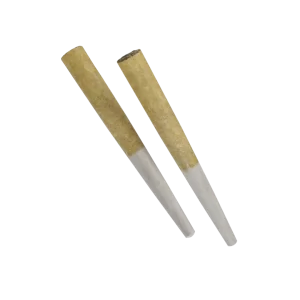
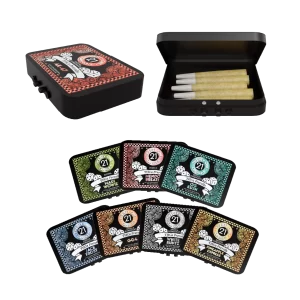
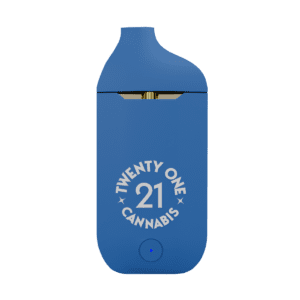
Twenty One Cannabis offers lab-tested THCa and THCp products with complete certificates of analysis for every batch. Our selection includes premium THCa flower, pre-rolls, and carefully dosed THCp vapes. We prioritize transparency, education, and product quality to ensure safe, consistent experiences. Always verify third-party testing and purchase from licensed, reputable sources that provide detailed product information and dosing guidance.


Doctor of Pharmacy, Pharmaceutical Sciences University of Colorado
Co-Founder & CEO at Arvida Labs
You must be over 21 to enter.
GET NOTIFIED ABOUT ONLINE SALES AT 21 CANNABIS!