


FOR HIGH ROLLERS
 Fabian Raemy
Quick Answer: THCp is significantly more potent than Delta-9 THC, and most people should start between 1–3mg regardless of what product type they’re using. Because real-world effects vary based on tolerance, delivery method, and individual body chemistry, nailing your dose takes considerably more care with THCp than with any other cannabinoid you’ve probably tried.
Most people first hear about THCp through the “33 times stronger than THC” headline. That number is real and it comes from peer-reviewed research, but it gets taken wildly out of context. Some people read it and refuse to try THCp entirely. Others read it and assume a tiny amount will send them to the moon without any preparation. Both reactions miss the point, and both can lead to a bad experience.
The truth is that THCp’s potency is real but not proportional in the way that headline implies. The dose-response curve works differently here, the delivery method matters more than with standard cannabinoids, and your prior cannabis experience only partially prepares you. This guide breaks all of that down so you can approach THCp with actual information instead of either fear or overconfidence.
Before you can dose THCp correctly, it helps to know what makes it so different from the cannabinoids you’ve probably used before. On the surface, the differences seem like just intensity when compared to cannabinoids like THCa, but they’re structural, and they change the way dosing logic needs to work.
THCp, or tetrahydrocannabiphorol, was first isolated in 2019 by a team of Italian researchers who were analyzing the FM2 medical cannabis strain. Research published in Scientific Reports found that THCp has a seven-carbon alkyl side chain, compared to the five-carbon chain on Delta-9 THC.
That two-carbon difference sounds minor, but it allows THCp to fit far more snugly into your CB1 receptors, the same receptors that drive the psychoactive effects of THC.
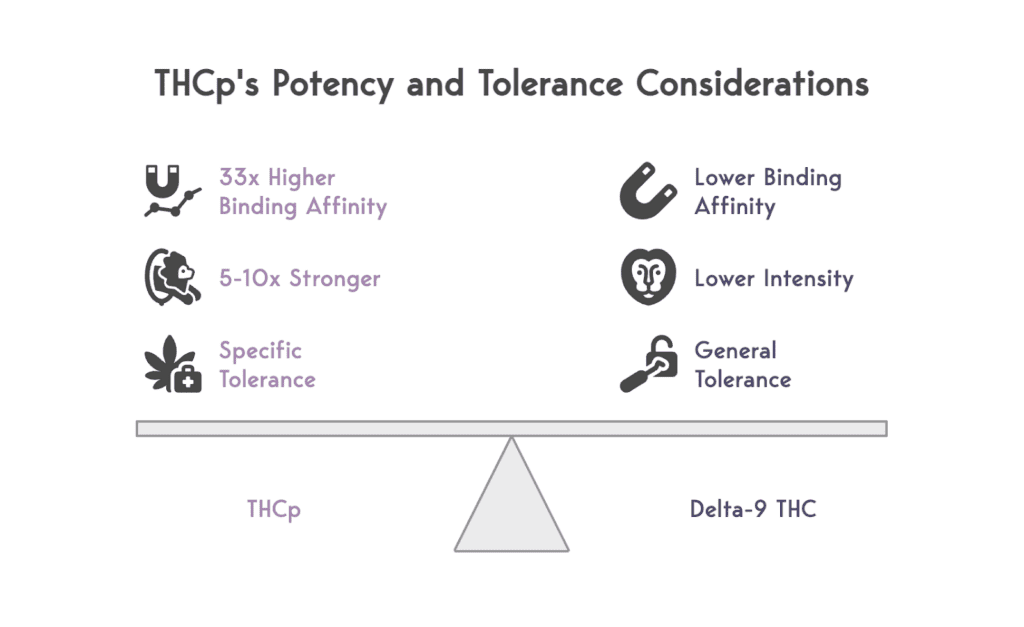
In binding affinity tests, THCp measured at a Ki of 1.2 nM compared to Delta-9’s Ki of 40 nM, making it roughly 33 times more efficient at occupying those receptors. That’s where the headline comes from.
What it doesn’t tell you is that binding affinity and subjective intensity are two different things. Most users who have experience with THCp describe the real-world effects as roughly 5–10x stronger than Delta-9, not 33x. This is because your endocannabinoid system has built-in saturation points. Once your CB1 receptors reach a certain level of activation, additional binding produces diminishing returns rather than a proportional increase in intensity.
That said, 5–10x stronger is still a massive jump, and it’s exactly why THCp dosing can’t be approached the same way you’d approach Delta-9.
This is one of the most common mistakes people make with THCp. Someone who smokes Delta-9 flower daily, or takes 25mg Delta-8 gummies regularly, assumes that tolerance gives them a head start. It doesn’t work with THCp. Here’s why:
Start from zero with THCp regardless of your history. Your existing tolerance is a reference point, not a permission slip.
Most dosage guides stop at a mg range and call it done. But with THCp, three things intersect to determine your actual experience: how much tolerance you’ve built, what you’re trying to get out of the session, and why the dose-response curve doesn’t behave like other cannabinoids you’ve used. All three need to be in the room at the same time.
With Delta-9, doubling your dose roughly doubles the intensity. The relationship is predictable enough that experienced users can calibrate fairly confidently. THCp doesn’t work that way. Because it binds CB1 receptors so efficiently, small increases in milligrams can produce disproportionately larger jumps in effect intensity. Going from 2mg to 4mg is not the same experience as going from 5mg to 10mg of Delta-9.
This is what’s called a non-linear dose-response curve. At lower doses, you get a manageable, noticeable effect. Push slightly past your tolerance ceiling, however, and the experience doesn’t just get “stronger”. It tips into something qualitatively different, with significantly more sedation, prolonged duration, and in some cases anxiety or disorientation.
A review of CB1 receptor pharmacology published on PMC explains this in terms of receptor saturation: once CB1 receptors approach full activation, effects plateau and then shift character rather than simply scaling up.
This is why the gap between a comfortable THCp dose and an overwhelming one is much narrower than most people expect going in.
This is mostly common knowledge, but it needs to be said. THCp is not for cannabis beginners. If you’ve never used a psychoactive cannabinoid before, this is not the product to start with.
This tier is for people who already have consistent, regular experience with THCa flower, Delta-9, or similar cannabinoids. “First-time” here means first-time with THCp specifically.
At 1–3mg, the goal isn’t to chase a strong high. It’s to map how your body responds to this cannabinoid specifically, so you have a reliable baseline to build from. Effects at this range include a subtle mood lift, mild body relaxation, and a gentle euphoria that feels noticeably different from Delta-9 but not disorienting. Use cases that make sense here are evening wind-down, low-pressure social settings, or simple curiosity-driven exploration in a comfortable environment.
One thing that trips people up at this tier is blended products. If a product contains THCp alongside Delta-8, Delta-9, HHC, or THCa, the labeled THCp mg is not the full story.
The combined psychoactive load of the entire cannabinoid stack is what you’ll actually feel. A product with 2mg THCp and 15mg Delta-8 is not the same as 2mg THCp in isolation. Always factor in the full blend when choosing your starting point, and stay at the lower end of the 1–3mg range when the product is blended.
To summarize: THCp is not for cannabis beginners. Start at 1mg if using a blended product. The goal is to learn how your body responds to THCp before you start using it recreationally.
This tier is only appropriate once you’ve run multiple sessions at 1–3mg and have a clear, consistent sense of how your body handles THCp. Not after one session, multiple means multiple.
The non-linear dose-response dynamic makes itself felt more clearly here, because 3mg and 5mg can feel meaningfully different from each other. This isn’t a range where you can assume the higher end is just “a bit more” of what you felt at the lower end.
Effects at 3–5mg include pronounced euphoria, deeper body relaxation, stronger cerebral engagement, and potential sedation at the higher end, depending on the strain profile. Use cases shift toward more intentional sessions: evening relaxation, creative work, stress relief, or pre-sleep wind-down at 4–5mg.
This is also the tier where the delivery method becomes especially important. Four milligrams consumed in an edible is not the same experience as 4mg from a vape. The onset timing, peak intensity, and duration are all different in ways that can catch people off guard. That distinction gets its own section below.
To summarize: Only move up to 5 mg after multiple comfortable sessions at 1–3mg. The jump from 3mg to 5mg is not linear. Treat the top of this range with the same caution as a new cannabinoid.
This range is for users who have built a genuine, consistent THCp tolerance across many sessions over time. Not a few weeks of casual use, but actual documented tolerance through repeated exposure.
At 5–10mg+, intense sedation, prolonged body effects, and deep euphoria are common. This is not a functional daytime dose for most people, and it shouldn’t be treated as a recreational escalation just because the lower tiers felt manageable.
Use cases at this tier include sleep support, high-intensity relaxation, and intentional heavy sessions for experienced users seeking ceiling-level effects. Blended products need extra scrutiny here.
Stacking 7mg THCp with substantial Delta-8 or Delta-9 content pushes the total psychoactive load well beyond what the THCp number alone communicates. The difference between 6mg and 9mg of THCp is not incremental — at this tier, small increases carry meaningful overconsumption risk and should be approached with the same caution you’d apply to the first time you ever tried the cannabinoid.
To summarize: This is not a casual escalation. Only reach this milligram range with an established tolerance built over many sessions. Blended products here are especially unforgiving. You should know the full cannabinoid stack before dosing.
| Category | First-Time THCp | Building Tolerance | High-Tolerance Use |
| mg Range | 1–3mg | 3–5mg | 5–10mg+ |
| Use Case Intent | Orientation, evening use, low-demand settings | Evening relaxation, creative sessions, stress relief | Sleep support, intense relaxation, ceiling-level sessions |
| Expected Effects | Subtle mood lift, mild relaxation, light euphoria | Pronounced euphoria, body relaxation, some sedation | Deep sedation, prolonged body effects, intense euphoria |
| Wait Before Redosing | 60–90 min (vape), 2+ hours (edible) | 90 min (vape), 2–3 hours (edible) | 3+ hours regardless of format |
| Blended Product Note | Stay at 1–2mg; combined cannabinoid stack amplifies effects | Account for full blend; 3mg in blended product hits harder than 3mg isolated | Extreme caution with blended products; total cannabinoid load rises sharply |
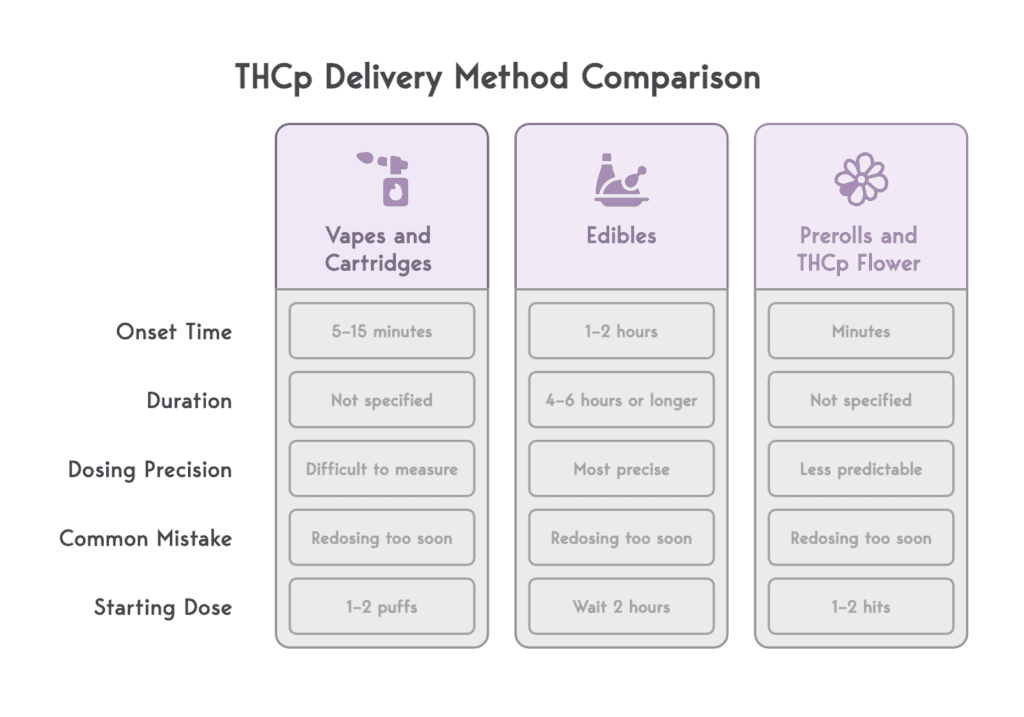
The milligrams matter, but how you consume THCp determines how fast those milligrams hit you and how long they stay. Getting this wrong is the most common reason people end up taking too much. The dose itself may be appropriate, but if you redose before the first dose peaks, the math stops working in your favor.
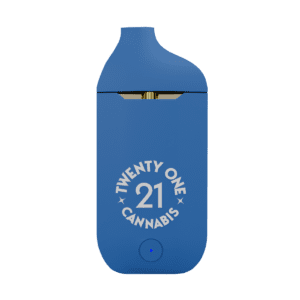
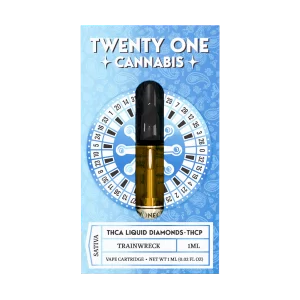
Vapes have the fastest onset of any THCp format, with effects typically starting within 5–15 minutes of your first puff. This makes them easier to calibrate in one respect because you’re getting feedback quickly. The challenge is that milligrams are difficult to measure precisely in puff format. For first-time THCp users, 1–2 puffs is the right starting point. Take them, wait 15 minutes minimum, and honestly assess where you are before continuing.
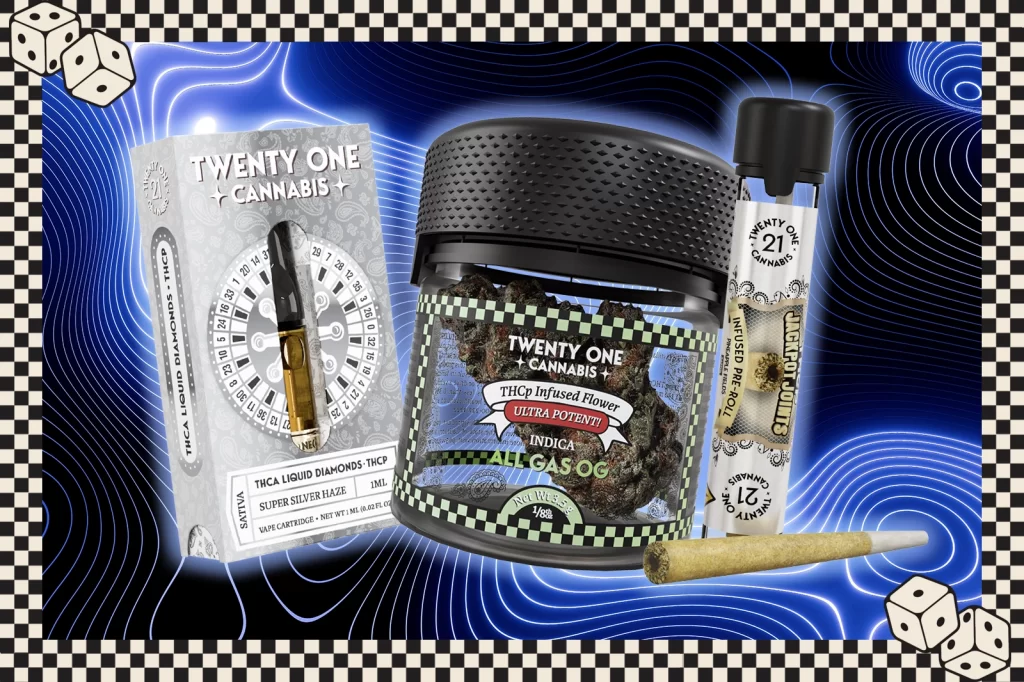
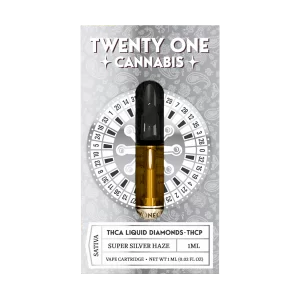
The Super Silver Haze THCa and THCp cart is a good example of a well-constructed blended cart. It combines THCa liquid diamonds, THCp, Delta-8, and HHC for a clear-headed, cerebral sativa experience.
Because it carries a full cannabinoid stack, each puff delivers more than isolated THCp would. It’s important to keep that in mind when pacing yourself.
Edibles offer the most precise milligram dosing but the least predictable timing. THCp edibles can take anywhere from 1–2 hours to reach their peak, and that peak can hold for 4–6 hours or longer, depending on your metabolism and how much food you’ve eaten.
The most dangerous mistake with THCp edibles is redosing before the first dose has peaked. This is how people end up with a 10mg experience when they intended a 3mg one.
Take your edible dose, wait a full two hours, and assess honestly before considering more. If you consumed the edible on an empty stomach, expect a faster and sharper onset. A full meal before dosing smooths the curve and extends the onset window, which can actually be useful for managing the experience.
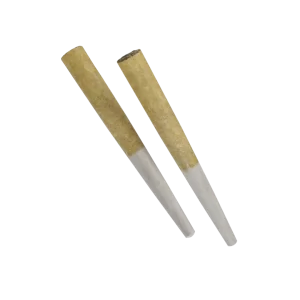
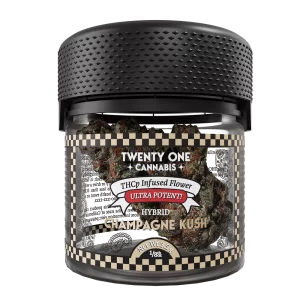
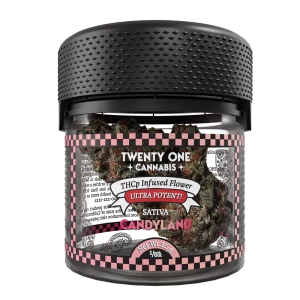
THCp flower and prerolls work differently from edibles or carts in one important way: the THCp has been infused into the flower, so the distribution isn’t perfectly uniform across the entire product.
This makes dosing less predictable than a precisely measured gummy or cartridge. Onset is close to vape timing, minutes rather than hours, but the per-puff THCp content can vary.
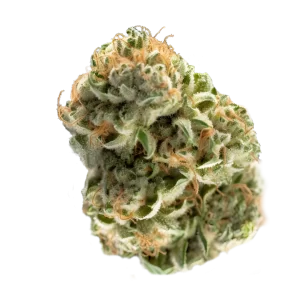
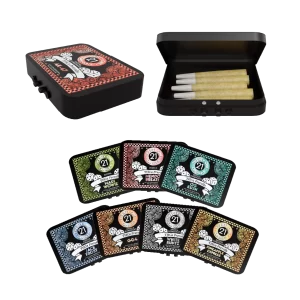
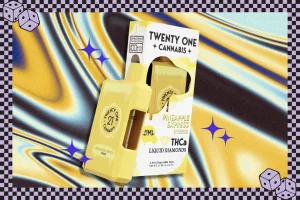
The Pineapple Fields Sativa prerolls carries a blend of THCp, CBG, Delta-8, and HHC in a 1.75g infused joint built for uplifting, clear-headed energy. For indica-leaning sessions, the All Gas OG Indica flower delivers a full body melt with pungent diesel and earthy flavor. Both products carry the same guidance that applies to all THCp smokable formats: start with 1–2 hits, pause, assess before continuing.
Dosage ranges are a starting point, not a guarantee. Several personal variables can push your actual experience meaningfully higher or lower than the chart suggests, and ignoring these is how people end up outside a comfortable range even when they followed the mg guidelines.
It’s worth knowing what an overconsumption experience actually looks like. We’re not listing this to scare anyone off THCp, but because understanding the signs helps you handle the situation calmly if it happens rather than making it worse.
Common overconsumption signs include intense anxiety, paranoia, elevated heart rate, disorientation, and heavy sedation that arrives faster than expected.
Because of THCp’s extended duration, the discomfort can last significantly longer than a strong Delta-9 experience, several hours in some cases. This isn’t physically dangerous in the way a true drug overdose is, but it can be deeply unpleasant and frightening if you don’t know what’s happening.
If you find yourself feeling these emotions, stop consuming immediately, move to a calm and comfortable space, drink water, eat something light, and remind yourself that the feeling is temporary and will pass.
Don’t add more of anything to the mix. Research suggests that CBD may help moderate THC’s psychoactive effects, so if you have a CBD product on hand, it may be worth trying.
Dosing any potent cannabinoid correctly starts with knowing exactly what’s in the product you’re using. That’s where most brands fall short, and where Twenty One Cannabis takes a different approach. Every product in the lineup is third-party lab tested with batch-specific Certificates of Analysis available directly on the site, so you’re never guessing at potency or purity.
The products themselves are sourced from vetted farms across Colorado, Oregon, California, and Arizona. These are farms that have been visited and approved firsthand, not just approved on paper.
When it comes to THCp specifically, Twenty One Cannabis offers a range of formats across flower, prerolls, and vape cartridges, all with transparent cannabinoid blends so you know exactly what the full stack looks like before you consume. That level of ingredient clarity matters more with THCp than almost any other cannabinoid.
Browse our full collection of THCp products and find the format and potency level that fits where you actually are with your tolerance — not where you think you should be.
Onset time depends entirely on the delivery method. Vapes and smokable formats typically produce noticeable effects within 5–15 minutes. Edibles and gummies take significantly longer, often 1–2 hours to reach peak effects, with some users reporting the full onset taking closer to 90 minutes. Always wait for the full onset window before considering a second dose, especially with edibles.
Yes. Regular THCp use leads to tolerance buildup over time, meaning you may need progressively higher doses to achieve the same effects. This is the same mechanism that occurs with Delta-9 THC and other cannabinoids. Tolerance breaks, typically ranging from a few days to a few weeks of abstinence, can reset your sensitivity and bring effective doses back down to a more manageable range.
Daily THCp use is not generally recommended, particularly at higher doses. The cannabinoid’s extended duration and potency make daily use more likely to accelerate tolerance buildup and increase the risk of dependency-like patterns. Human research on long-term THCp use is still limited, so a conservative approach is appropriate. Occasional use with intentional breaks between sessions is the more prudent approach for most people.
A 1mg dose of THCp is generally considered to produce effects roughly equivalent to 5–10mg of Delta-9 THC, though this varies significantly by individual. This means that if you’re used to taking a 10mg Delta-9 edible for a moderate experience, the equivalent THCp dose would be closer to 1–2mg. Applying your Delta-9 dosing habits directly to THCp is one of the most reliable ways to take too much.
Stop consuming immediately and move to a calm, comfortable environment. Drink water and eat something light if you can. CBD may help moderate the intensity of the experience for some people. Remind yourself that the effects are temporary and will pass. THCp’s extended duration means discomfort may last several hours, but it will end. Avoid adding any other cannabinoids or substances to the mix, and do not attempt to drive or operate anything.
Most standard drug tests screen for THC metabolites rather than specific cannabinoids. Because THCp is chemically similar to Delta-9 THC and metabolizes through similar pathways, it is very likely to trigger a positive result on a standard urine drug test. If drug testing is a concern in your situation, treat THCp the same way you would Delta-9 THC when evaluating your risk.



Doctor of Pharmacy, Pharmaceutical Sciences University of Colorado
Co-Founder & CEO at Arvida Labs

You must be over 21 to enter.
GET NOTIFIED ABOUT ONLINE SALES AT 21 CANNABIS!