



FOR HIGH ROLLERS
 Lindsey Goldstein
As cannabis consumers, it’s simple to know your run-of-the-mill cannabis products like CBD and THC. However, there are a bunch of other cannabinoids in the market as well. It’s very easy to feel overwhelmed by the array of cannabinoids out there, each with unique effects and potential benefits.
Among the many cannabinoids gaining attention are THCa (tetrahydrocannabinolic acid) and THCv (tetrahydrocannabivarin). While both share a connection to THC, the well-known psychoactive compound, they offer distinctly different properties, uses, and impacts. Understanding these differences is crucial for cannabis enthusiasts looking to tailor their experiences or therapeutic outcomes.
In this article, we’ll briefly go over the key distinctions between THCa and THCv, shedding light on how they work and what makes each one unique in the cannabis spectrum.
THCa, or tetrahydrocannabinolic acid, is the raw, non-psychoactive precursor to THC found in fresh cannabis plants. Unlike Delta-9, THCa doesn’t produce a “high” in its natural state. This is because THCa has a different molecular structure that prevents it from binding effectively to the body’s cannabinoid receptors.
When cannabis is heated through smoking, vaping, or cooking, THCa undergoes a process called decarboxylation. This process removes a carboxyl group from the THCa molecule, converting it into THC. Only then does it become psychoactive and capable of producing the euphoric effects associated with cannabis use.
Research on THCa is still developing, with most evidence coming from preclinical and animal studies. This compound may have potential properties, even in its non-psychoactive form. Some studies suggest that THCa might have anti-inflammatory effects and neuroprotective activity in animal models, making it a subject of ongoing research interest.
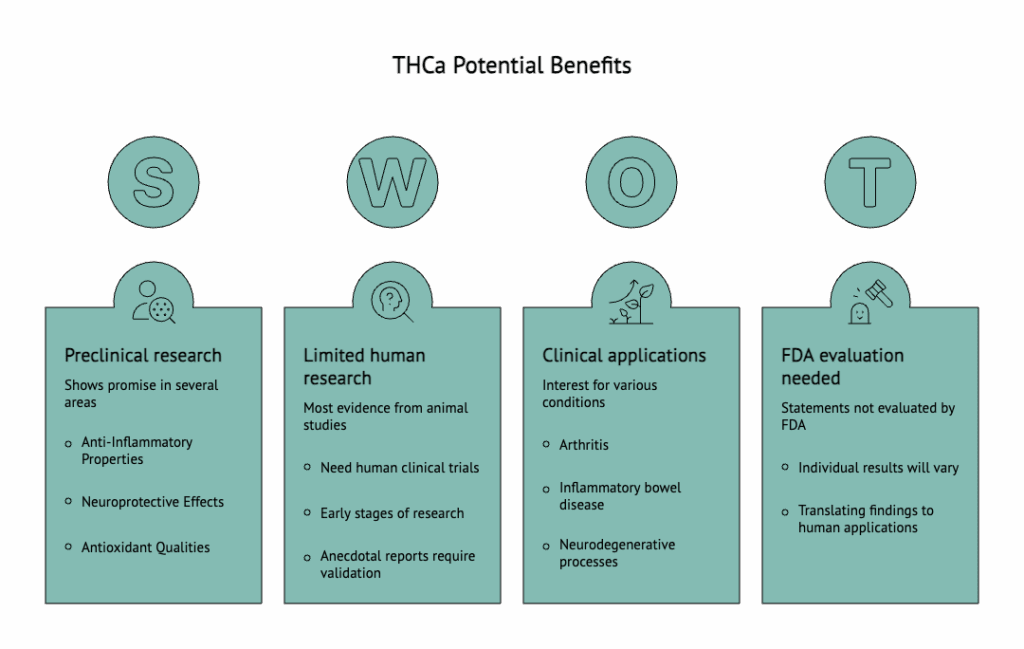 THCa shows promise in several areas based on preclinical research, though it’s important to note that most evidence comes from animal and cell studies. More human research is needed to fully understand its effects and establish clinical applications.
THCa may help reduce inflammation in the body based on animal research. Studies suggest that THCa interacts with the endocannabinoid system to modulate inflammatory responses. Research in mice with collagen-induced arthritis showed reduced synovial hyperplasia and inflammatory cell infiltration. These statements have not been evaluated by the FDA.
This property has sparked interest for conditions like arthritis and inflammatory bowel disease, though human clinical trials are still needed. The compound appears to inhibit COX-1 and COX-2 enzymes similarly to nonsteroidal anti-inflammatory drugs, which may explain some of these observed effects in laboratory settings.
THCa shows potential in protecting brain cells from damage and degeneration in animal models. Studies indicate that THCa may help preserve neuronal function through PPARγ receptor activation. Research using Alzheimer’s disease-like mouse models demonstrated reduced amyloid-beta and tau pathology with improved memory markers.
This neuroprotective quality could be relevant for those concerned about neurodegenerative processes, though it’s critical to understand that research in this area remains in early stages. The compound’s ability to penetrate the blood-brain barrier and reduce calcium influx in neural cells has been observed in laboratory settings, but translating these findings to human applications requires extensive clinical validation.
THCa possesses antioxidant properties in laboratory studies, which help combat oxidative stress in cellular models. Oxidative stress contributes to various health concerns, including cellular aging processes. By incorporating THCa into your routine, you may support your body’s natural antioxidant systems, though individual results will vary.
These antioxidant qualities also support overall cellular health in research settings. Some users report feeling more energized and experiencing improved well-being after regular THCa use, though these anecdotal reports require validation through controlled clinical studies.
THCv, or tetrahydrocannabivarin, is a naturally occurring cannabinoid found in cannabis and hemp plants. Structurally similar to THC (tetrahydrocannabinol), THCv has distinct effects that set it apart. Unlike THC, which is known for its psychoactive properties, THCv typically produces milder or no intoxicating effects when consumed in small amounts.
However, at higher doses, THCv may exhibit psychoactive effects, though they are often described as shorter-lasting and more clear-headed than THC. The compound’s three-carbon side chain (propyl) instead of five (pentyl) fundamentally changes how it interacts with cannabinoid receptors. At low doses, THCv acts as a CB1 receptor antagonist, potentially blocking some effects of THC. At higher doses, it transitions to CB1 agonist activity.
What truly makes THCv unique is its potential appetite-suppressing properties, earning it the nickname “diet weed.” Studies suggest THCv may help reduce hunger, making it appealing for those managing weight or seeking appetite regulation. Additionally, preliminary research has explored possible benefits for blood sugar regulation and mental clarity, though large-scale human studies are still needed.
THCv is often found in smaller concentrations in cannabis strains, especially African landraces, and is becoming more popular in targeted formulations for its unique properties.
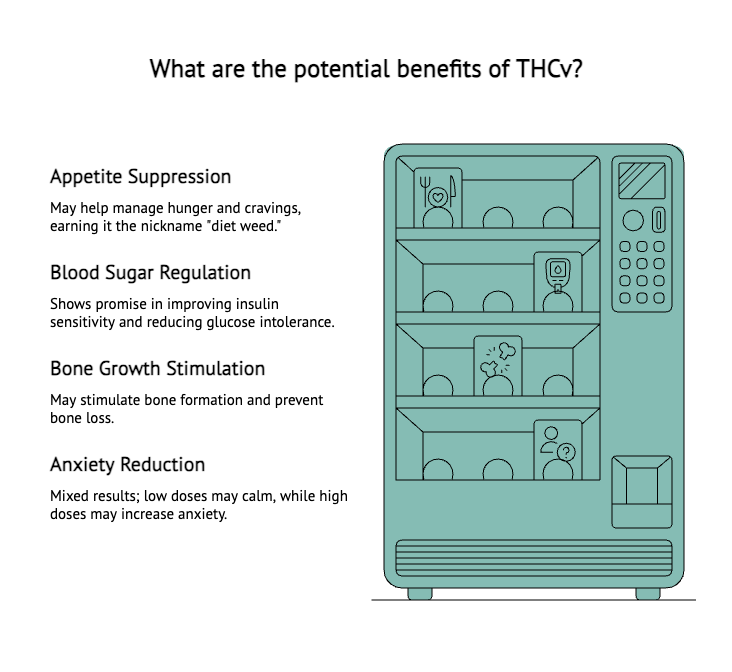
THCv offers a range of potential benefits that set it apart from other cannabinoids. Remember that research on THCv is still developing, with most evidence coming from animal studies and preliminary human trials. Large-scale clinical studies are needed before definitive health claims can be made.
Unlike THC, which often increases appetite, THCv may help suppress hunger through its CB1 receptor antagonism. This effect has earned THCv the nickname “diet weed” among cannabis enthusiasts. A 2025 placebo-controlled study of 44 subjects showed subjective hunger reduction with THCv and CBD, though statistically significant weight loss was not consistently demonstrated across all participants. You might find THCv useful for appetite awareness or managing cravings, though individual responses vary considerably.
THCv may help regulate blood sugar levels based on preliminary research. This property makes THCv particularly interesting for individuals managing diabetes or at risk of developing the condition. One pilot human trial showed reduced fasting plasma glucose concentration and improved beta-cell function when compared to a placebo group, though these findings require validation in larger clinical trials. THCv appears to improve insulin sensitivity and reduce glucose intolerance in animal models, potentially offering a complementary approach to blood sugar management under medical supervision.
THCv shows promise in promoting bone growth and health in animal research. Studies indicate that this cannabinoid may stimulate bone formation and help prevent bone loss in rodent models. You might be interested in THCv if you’re concerned about bone health as you age, though human evidence is lacking and this application remains theoretical.
Evidence for anxiety reduction with THCv is mixed and dose-dependent. Some users report feeling calmer and more focused after consuming low doses of THCv. However, this cannabinoid’s stimulating effects at higher doses may actually increase alertness or anxiety in some individuals rather than providing calming effects. You might find THCv helpful for maintaining focus without sedation, but it’s not typically recommended as a primary anxiety management tool. For anxiety concerns, cannabinoids like CBD or raw THCa may offer better options.
THCa and THCv have distinct characteristics that set them apart, despite both being cannabinoids found in cannabis plants. Understanding these differences helps you choose the right product for your needs.
The molecular structures of THCa and THCv play a significant role in their effects on the body. THCa has a carboxyl group attached to its molecule, which is responsible for its non-psychoactive nature. This carboxyl group is removed when THCa is heated, transforming it into THC.
THCv, on the other hand, has a propyl side chain instead of the pentyl chain found in THC. This slight difference in structure contributes to THCv’s unique properties. THCa vs THCp explores how these structural variations affect the potency and effects of different cannabinoids.
One of the most notable differences between THCa and THCv lies in their psychoactive properties. THCa remains non-psychoactive until it’s exposed to heat, which converts it to THC. This means you can consume raw cannabis or THCa products without experiencing a “high.”
THCv, however, is mildly psychoactive, even without heating. At lower doses, THCv may actually counteract some of THC’s psychoactive effects. At higher doses, it can produce a clear-headed, energetic high that’s shorter in duration compared to THC.
THCa and THCv offer different potential benefits due to their unique interactions with the body’s endocannabinoid system.
THCa shows promise for its anti-inflammatory and neuroprotective properties in preclinical research. Some studies suggest it may be relevant for conditions like arthritis and neurodegenerative processes, though human clinical validation is needed. These statements have not been evaluated by the FDA.
THCv has garnered attention for its potential metabolic benefits. It may help with appetite awareness and blood sugar regulation based on preliminary research, making it interesting for weight management and diabetes studies. Some research also indicates THCv might have properties worth exploring for focus and energy, though effects vary significantly between individuals.
THCa offers unique benefits when consumed in its raw form. You can explore various methods to incorporate this non-psychoactive cannabinoid into your wellness routine.
For cannabis enthusiasts and newcomers alike, understanding the best methods to consume THCa is essential to unlocking its potential benefits. THCa, the non-psychoactive precursor to THC, can be consumed in various ways depending on the effects or experiences you’re seeking. Here’s a breakdown of the most common methods:
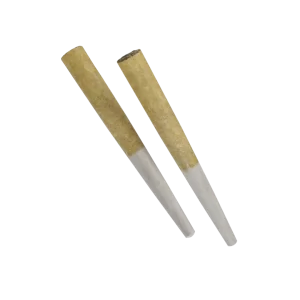
Smoking remains one of the most popular ways to consume THCa. While raw THCa itself is non-intoxicating, the act of smoking THCa flower—whether through a joint, pipe, or bong—applies heat, converting THCa into THC through a process called decarboxylation. This creates the psychoactive effects cannabis is well-known for. Smoking THCa-rich flower offers a fast onset of effects, making it ideal for those seeking quick relief or recreational enjoyment.
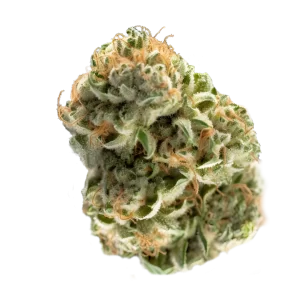
If you’re looking for THCa flower to smoke, we have a few amazing options for you. The Dream Wedding THCa Flower is a premium cannabis strain celebrated for its balanced effects and flavorful profile. Combining sweet and earthy notes, this flower offers an indulgent experience for those seeking a smooth and potent high.
Whether you’re looking to unwind after a long day or enhance your focus for creative tasks, Dream Wedding delivers a versatile experience. Each bud is meticulously cultivated to preserve its rich cannabinoid and terpene content, ensuring quality and consistency. Its elegant aroma and robust potency make it a perfect choice for connoisseurs and newcomers alike, providing a relaxing yet uplifting vibe.
The Apple Fritter THCa Flower brings a unique fusion of flavor and effects, offering a delightful apple-like aroma with subtle sweet undertones. This strain is known for its balanced high, combining a calming body relaxation with a light cerebral buzz that enhances mood and focus.
Perfect for both recreational and therapeutic use, Apple Fritter is versatile enough for daytime or evening enjoyment. Its premium-quality buds are cultivated to highlight their rich cannabinoid profile, delivering a smooth smoking or vaping experience. For those seeking a flavorful, all-around strain, Apple Fritter provides satisfaction in every inhale.
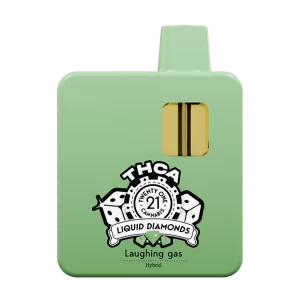
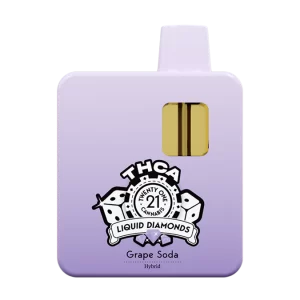
Vaping THCa concentrates, such as THCa diamonds or cartridges, is another efficient method. Vaping also decarboxylates THCa, producing THC for a smooth, inhalable experience. This method typically provides a more controlled and flavorful experience compared to smoking, with fewer harsh effects on the throat and lungs.
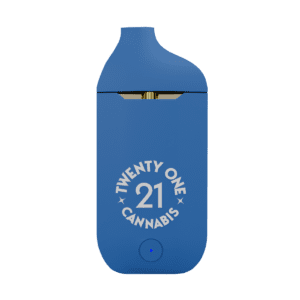
Need something discreet to vape? The Berry Pie THCa Disposable Vape is a perfect choice for those seeking an energizing and uplifting sativa experience. With a euphoric head high balanced by subtle body relaxation, this vape keeps you focused and light on your feet. Its compact disposable design ensures convenience and portability, while the sweet, rich berry flavor enhances the overall session. Ideal for daytime use, Berry Pie helps you stay sharp and motivated.
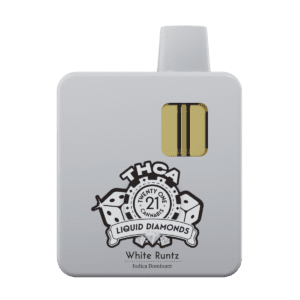
For a fruitier experience, the Strawberry Fields THCa Diamonds Disposable Vape offers a smooth and potent way to indulge in a rich strawberry flavor profile. Infused with THCa diamonds, it delivers a balanced effect that is both relaxing and mood-enhancing. Perfect for users seeking an easy-to-use option, the disposable vape ensures a flavorful and consistent session, making it a standout choice for any time of the day.
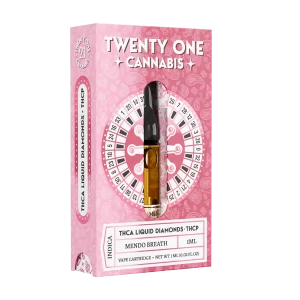
The Oreoz THCa Diamonds Vape Cartridge brings a dessert-like vaping experience with its sweet, cookie-inspired flavor, complemented by subtle earthy undertones. Designed for those who appreciate complexity, this cartridge delivers powerful euphoric and relaxing effects. Its THCa liquid diamonds formulation ensures a clean, potent session with every puff, making Oreoz a premium option for unwinding while savoring a unique flavor profile.
For non-intoxicating benefits, THCa can be consumed in its raw form. Adding raw cannabis leaves or THCa-rich concentrates to smoothies, salads, or juices allows users to take advantage of its potential properties without the psychoactive effects. This method is popular among those seeking wellness support while maintaining complete mental clarity.
Dabbing involves heating a concentrate, such as THCa diamonds, on a heated surface and inhaling the vapor. It’s a potent method for users seeking stronger effects and immediate relief.
THCv offers unique benefits and effects, and you can consume it in various ways to suit your preferences and lifestyle. Here are some popular methods for using THCv:
Vaping THCv cartridges provides a fast-acting and efficient way to experience its effects. You’ll find pre-filled cartridges containing THCv-rich oil that attach to a standard vape battery. This method allows for precise dosing and quick onset of effects, typically within minutes.
When choosing a THCv vape cartridge, look for products from reputable manufacturers that provide third-party lab testing results. If vape cartridges are a little too much for you, disposable THCv vapes are still an option.
The Blue Dream Disposable Vape captures the essence of the iconic strain while delivering a dynamic cannabinoid profile for a well-rounded experience. This isn’t just a THCv product—it’s a carefully balanced blend of cannabinoids, each contributing to the unique effects. The presence of THCv provides a sharp and uplifting edge, while other cannabinoids, like Delta-8 and THCa, complement the profile with relaxing and soothing undertones.
The result is a smooth, flavorful vape with the hallmark Blue Dream sweetness and subtle berry notes. Its 4ml capacity ensures extended use, and the convenient disposable design makes it easy to enjoy anywhere. Perfect for users seeking a versatile, balanced high, this vape delivers a thoughtfully crafted experience with THCv as the finishing touch that ties everything together beautifully.
THCv edibles offer a discreet and long-lasting way to consume this cannabinoid. You’ll find THCv-infused gummies, chocolates, and other treats that provide a pre-measured dose. The effects of THCv edibles typically take longer to onset compared to vaping, usually 30 minutes to 2 hours, but can last for several hours.
Start with a low dose and wait at least two hours before consuming more to gauge your tolerance.
THCv tinctures offer a versatile consumption method. You place a few drops under your tongue and hold for 30-60 seconds before swallowing. This allows for faster absorption through the sublingual blood vessels, providing quicker effects than edibles but not as rapid as vaping.
When it comes to weight loss, THCv often takes the spotlight due to its unique appetite-suppressing properties. Known as the “diet weed,” THCv has shown subjective hunger reduction in preliminary human research, though statistically significant weight loss has not been consistently demonstrated across all study participants. Its potential to influence metabolism and energy regulation further enhances its appeal to individuals exploring cannabinoid-based wellness approaches, though effects vary considerably between individuals.
However, while THCv may be more targeted for appetite awareness, THCa should not be overlooked. THCa, the raw, non-intoxicating precursor to THC, offers its own set of potential properties based on preclinical research, including anti-inflammatory activity in animal models. These statements have not been evaluated by the FDA.
These may support overall wellness, which is a crucial part of any weight management journey. Furthermore, products containing THCa often deliver a broader range of cannabinoids that can contribute to a balanced, full-spectrum experience.
For those exploring cannabinoid-based options for weight management, THCv may provide more direct appetite modulation effects, but incorporating THCa into your routine could offer complementary benefits that enhance your overall health. With a variety of high-quality THCa products available, along with our thoughtfully crafted THCv option, we provide solutions to fit different wellness needs, helping you find what works best for your body and goals.
When selecting between THCa and THCv, it’s essential to evaluate your specific needs and preferences, as these cannabinoids cater to different wellness goals. Here is a deeper dive into the key factors that can help you decide which is better suited for you—and when THCa might take the lead.
THCa is inherently non-intoxicating in its raw form, making it an excellent choice for users seeking potential benefits without the high associated with THC. You can consume THCa through raw methods like smoothies, capsules, or salads, enjoying its properties while staying clear-headed.
While THCv is also non-intoxicating in small doses, it can produce mild psychoactive effects at higher concentrations. This makes THCv slightly less predictable for users aiming to maintain full clarity. For individuals prioritizing usability without psychoactive interference, THCa is the winner.
THCv has gained attention as the “diet weed” due to its appetite-suppressing properties based on preliminary research, potentially aiding those seeking weight awareness. In contrast, THCa does not directly impact appetite but may contribute to an overall sense of wellness through anti-inflammatory activity in animal models, which could complement weight management efforts indirectly.
In this specific niche, THCv wins for its targeted effects on appetite awareness.
THCa stands out for its versatility. It can be consumed raw for potential anti-inflammatory and neuroprotective properties shown in preclinical research, or it can be heated to convert into THC for a more traditional cannabis experience.
This dual functionality allows THCa products to appeal to both wellness-focused users and recreational enthusiasts. THCv, while offering unique benefits such as energy enhancement and appetite awareness, lacks the same degree of flexibility. For those seeking diverse applications, THCa is the clear winner.
THCa is widely available in a range of products, from flower to concentrates to edibles, making it easier for users to find options tailored to their preferences. THCv, on the other hand, is still a niche cannabinoid with limited product availability, often in combination with other cannabinoids. For ease of access and variety, THCa comes out on top.
Legal Considerations and Availability
When choosing between these cannabinoids, it’s important to understand the legal landscape in your area. Both THCa and THCv can be derived from hemp and fall under the 2018 Farm Bill federally when Delta-9 THC content remains below 0.3% on a dry-weight basis. However, state regulations vary significantly, with some jurisdictions implementing “total THC” testing that includes THCa in compliance calculations.
Before making a purchase, consult a cannabinoid state guide to confirm which products are available where you live. This ensures you can access the cannabinoid that best fits your wellness goals without any legal concerns. Proposed Farm Bill amendments may further impact THCa legality by redefining hemp to include “total THC,” so staying informed about regulatory developments is essential.
Cost is a major consideration when choosing between these two cannabinoids. THCa products are generally more affordable due to their wider availability and ease of production, with options to suit different budgets. THCv, being rarer and more difficult to isolate, is typically more expensive, especially in products designed to highlight its unique benefits. For those seeking cost-effective cannabinoid solutions, THCa is the clear winner.
THCa is far more than just a precursor to THC—it’s a versatile cannabinoid with a wealth of potential based on preclinical research. From its non-intoxicating properties in raw form to its ability to convert to THC when heated, THCa offers flexibility that few cannabinoids can match. Whether you’re looking to explore anti-inflammatory properties shown in animal models, support overall wellness, or enjoy traditional cannabis effects, THCa provides options worth considering.
Its broad availability and relative affordability further enhance its appeal, making it accessible to anyone eager to explore cannabinoid wellness. Adding THCa-rich products to your routine is an easy way to incorporate cannabis benefits without compromising your daily clarity or focus when consumed raw.
If you’re looking for high-quality THCa products, Twenty One Cannabis is where to find them. We’re dedicated to offering premium, lab-tested cannabis products sourced from U.S.-grown hemp, ensuring safety, consistency, and satisfaction. Whether you’re new to cannabis or a seasoned enthusiast, our diverse range of THCa options—from flower to vapes—has something for everyone.
Visit Twenty One Cannabis today and discover premium THCa products backed by third-party lab testing.
THCv is often referred to as the “diet weed” because it may help with appetite awareness and promote feelings of fullness based on preliminary research. A 2025 placebo-controlled study showed subjective hunger reduction, though statistically significant weight loss was not consistently demonstrated across all participants. Some studies suggest that THCv can influence metabolism and energy regulation, adding to its appeal for weight awareness. However, individual responses vary considerably, and THCv should complement, not replace, established weight management approaches including healthy lifestyle practices.
The frequency of THCv use depends on your goals and tolerance. If using THCv for appetite awareness or energy regulation, it may be taken daily in small doses. For occasional use, it can be taken less frequently as needed. Start with a low dose to gauge its effects, as THCv can be mildly psychoactive at higher doses. Consult with a healthcare professional for personalized guidance tailored to your needs.
THCv is not typically associated with anxiety relief and may even cause heightened alertness at higher doses, which can be counterproductive for some users experiencing anxiety. Cannabinoids like CBD or raw THCa may be better options for managing anxiety due to their calming properties and non-intoxicating nature. While THCv has unique benefits, anxiety relief is not considered one of its primary applications. It’s essential to choose cannabinoids that align with your specific needs for the best results.
In its raw form, THCa does not get you high because it is non-psychoactive. However, when heated—through smoking, vaping, or cooking—it converts into THC, the psychoactive compound responsible for the cannabis high.
This versatility allows users to enjoy THCa’s potential properties raw or as an activated, psychoactive experience, making it a flexible option for both wellness and recreational use.
The best way to use THCa depends on your goals. For potential benefits without intoxication, consume it raw through smoothies, capsules, or tinctures. If you’re seeking a traditional cannabis experience, use methods like smoking or vaping, which heat THCa to convert it into THC. Its versatility makes it suitable for various methods, ensuring you can tailor your THCa use to fit your lifestyle and desired effects.
Whether THCa is better than CBD depends on your needs. THCa offers anti-inflammatory and neuroprotective properties based on preclinical research, while CBD is renowned for its anxiety relief and anti-epileptic effects backed by FDA approval for specific conditions. If you’re seeking non-intoxicating options for inflammation or overall wellness, THCa may be more suitable. For anxiety or certain neurological disorders, CBD is often the preferred choice. Both cannabinoids are valuable, and the right one depends on your specific health goals.


Doctor of Pharmacy, Pharmaceutical Sciences University of Colorado
Co-Founder & CEO at Arvida Labs

You must be over 21 to enter.
GET NOTIFIED ABOUT ONLINE SALES AT 21 CANNABIS!