


FOR HIGH ROLLERS
 Lindsey Goldstein
Quick Answer: THCo is a synthetic cannabinoid created through chemical acetylation that the DEA classified as a Schedule I controlled substance in 2023, while THCa is a naturally occurring, non-psychoactive precursor to THC found in raw cannabis that’s federally legal under the 2018 Farm Bill.
The cannabis industry’s rapid expansion has created confusion about cannabinoid varieties, especially when comparing natural compounds like THCa with synthetic analogs like THCo. While their names sound similar, these cannabinoids couldn’t be more different in origin, legal status, safety profile, and effects.
THCo burst onto the market as a potent synthetic alternative, but the DEA’s 2023 Schedule I classification officially declared it illegal.
Meanwhile, THCa continues to thrive as a federally legal hemp derivative that offers the authentic cannabis experience consumers seek. In this guide, we’re going to talk about both these cannabinoids, talk about their origin, molecular structure, effects, and more, to help you make an educated choice on which of the two you should try next.
THCo (tetrahydrocannabinol-O-acetate) is a fully synthetic cannabinoid created in laboratories through chemical modification of THC. It doesn’t exist naturally in cannabis plants. The production process involves extracting Delta-8 or Delta-9 THC from hemp-derived CBD, then combining it with acetic anhydride, a highly flammable, corrosive chemical used in pharmaceutical and explosives manufacturing, plus sulfuric acid as a catalyst.
The acetylation adds an acetate group to THC’s molecular structure, creating an ester that crosses the blood-brain barrier more efficiently than natural THC. This modification makes THCo a prodrug that remains inactive until liver enzymes metabolize it. Incomplete purification can leave harmful contaminants like residual acetic anhydride or sulfuric acid in the final product.
Manufacturers market THCo as “three times more potent than Delta-9 THC,” though this claim lacks peer-reviewed scientific validation.
The delayed activation means effects don’t begin until 20-30 minutes after consumption, much slower than natural cannabis’s immediate onset. Users report more intense, longer-lasting effects extending 4-8 hours or more, creating risks of overconsumption when users redose, thinking their initial amount was insufficient.
Tetrahydrocannabinolic acid (THCa) is a naturally occurring compound that forms in raw cannabis plants as the primary cannabinoid before heat, processing, or aging occurs.
THCa’s molecular structure includes a carboxyl group (-COOH) that prevents it from binding to CB1 receptors, making it non-psychoactive in its raw state. Research published in the British Journal of Pharmacology confirms this carboxyl group blocks the spatial configuration needed for receptor activation, explaining why eating raw cannabis doesn’t produce a high despite containing abundant THCa.
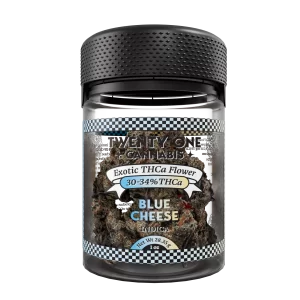
Inside cannabis trichomes, the enzyme THCA synthase converts cannabigerolic acid (CBGa) directly into THCa through natural biosynthesis as the plant matures. Premium cultivars like Gelato Cake and Blue Cheese can reach THCa concentrations of 15-30% by weight.
Decarboxylation transforms non-psychoactive THCa into intoxicating THC by removing the carboxyl group through heat. This occurs instantly when smoking or vaping at temperatures above 220°F, converting THCa to THC at 87.7% efficiency.
This explains why smoking THCa prerolls produces immediate psychoactive effects identical to traditional cannabis.
When examining THCo alongside THCa, the differences extend far beyond their similar-sounding names. These cannabinoids represent opposite ends of the cannabis spectrum. One is synthetic and illegal, the other natural and federally compliant.
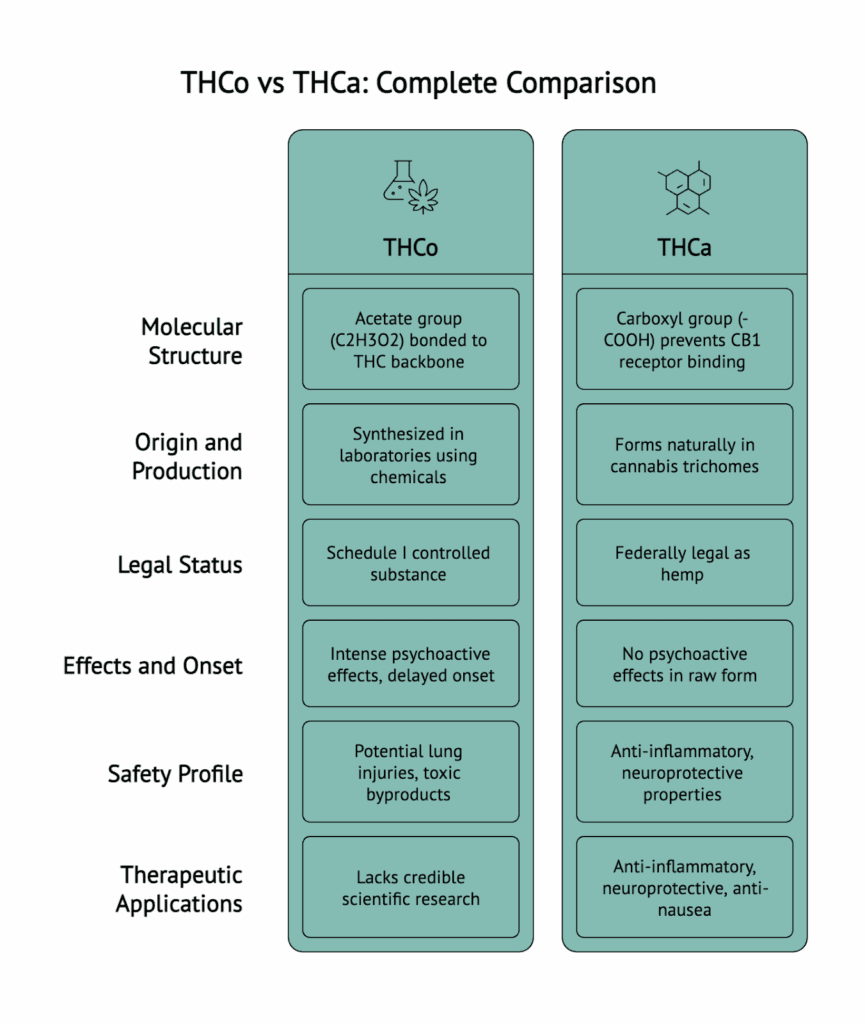
The molecular differences between these cannabinoids determine their legality, effects, and safety profiles. THCo contains an acetate group (C2H3O2) bonded to the THC backbone, creating an ester compound. This modification increases lipophilicity, allowing THCo to cross the blood-brain barrier more efficiently than natural THC. The acetate group makes THCo a prodrug that requires liver metabolism to become active.
In contrast, THCa features a carboxyl group (-COOH) that prevents CB1 receptor binding in its raw state. This is much different than other cannabinoids like THCh that have heightened CB1 activation.
Research published in the British Journal of Pharmacology, the one we mentioned earlier as well, confirms this structural difference blocks the spatial configuration needed for psychoactive effects, making raw THCa non-intoxicating until heat removes the carboxyl group through decarboxylation.
Every molecule of THCo is synthesized in laboratories using acetic anhydride and sulfuric acid. The DEA’s February 2023 letter states: “Delta-9-THCo and delta-8-THCo do not occur naturally in the cannabis plant and can only be obtained synthetically.” This synthetic production introduces contamination risks when purification is incomplete, potentially leaving residual acetic anhydride or sulfuric acid in the final product.
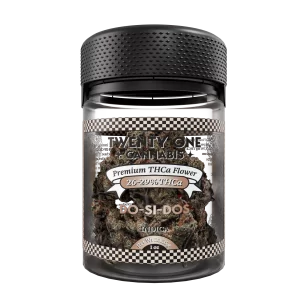
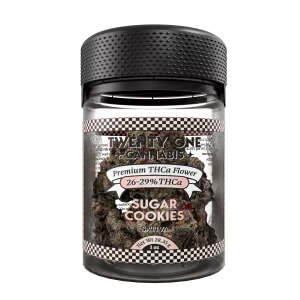
THCa takes the opposite approach, forming naturally inside cannabis trichomes through enzymatic conversion of CBGa (cannabigerolic acid) by THCA synthase. This biosynthesis occurs without chemicals or human intervention, just the plant’s natural metabolic processes. Premium strains like Sugar Cookie and Apple Fritter from Twenty One Cannabis can reach 25-30% THCa content naturally through selective breeding.
On February 13, 2023, the DEA declared THCo a Schedule I controlled substance, placing it in the same legal category as heroin. Dr. Terrence L. Boos explained that because THCo is synthetically created rather than plant-derived, it falls within the CSA’s definition of synthetic THC. Possession and distribution carry federal criminal penalties regardless of state cannabis laws.
THCa occupies entirely different legal territory thanks to the 2018 Farm Bill, which legalized hemp containing less than 0.3% Delta-9 THC by dry weight. Since THCa is chemically distinct from Delta-9 THC (it has that extra carboxyl group), cannabis flower with 25-30% THCa can contain less than 0.3% Delta-9 THC, making it federally legal as hemp. Twenty One Cannabis ensures all products undergo third-party lab testing to verify compliance, with COAs publicly accessible on our testing page.
Users report that THCo produces significantly more intense psychoactive effects than traditional THC, though these claims lack clinical validation. The prodrug mechanism delays onset by 20-30 minutes after inhalation, creating uncertainty that leads some users to overconsume, thinking their initial dose was insufficient. Once effects begin, they feel more sedating and physically heavy, lasting 4-8+ hours. Reports of anxiety, paranoia, and disorientation appear more frequently with THCo than with natural cannabinoids.
Raw THCa produces no psychoactive effects whatsoever. The carboxyl group prevents CB1 receptor binding entirely. When heated through smoking or vaping, instant decarboxylation converts THCa to THC at 87.7% efficiency, producing effects identical to traditional cannabis within 1-5 minutes.
Users experience euphoria, relaxation, and the characteristic cannabis high lasting 2-4 hours. THCa flower delivers predictable, authentic cannabis experiences with timing consumers can trust.
The Journal of Medical Toxicology documented potential EVALI-like lung injuries linked to THCo vaping. When heated, the acetate group may break down into harmful byproducts similar to those that caused the 2019 EVALI outbreak affecting thousands of users.
Incomplete purification can leave residual acetic anhydride, a corrosive, toxic chemical, in the final product. With no regulatory oversight of this illegal substance, quality control is nonexistent.
THCa presents an entirely different safety picture. Humans have consumed raw cannabis containing THCa for thousands of years, with tons of research conducted into safety concerns.
Research published in Biological & Pharmaceutical Bulletin showed THCa possesses anti-inflammatory properties in animal models, while the British Journal of Pharmacology documented neuroprotective effects and reduced oxidative stress in cell culture studies. When sourced from reputable cultivators like those supplying Twenty One Cannabis, THCa undergoes thorough testing for pesticides, heavy metals, and contaminants, ensuring every product meets pharmaceutical-grade safety standards.
Emerging preclinical studies suggest THCa offers several therapeutic applications. Research has demonstrated anti-inflammatory properties with promise for arthritis and inflammatory bowel disease. Studies found THCa protected neurons from oxidative stress and preserved mitochondrial function in neurodegenerative disease models. The same research also showed THCa reduced nausea and vomiting in animal models, suggesting benefits for chemotherapy patients. THCa’s non-psychoactive nature makes it attractive for medical use without intoxication.
THCo tells a completely different story. Despite marketing claims, THCo lacks any credible scientific research supporting therapeutic applications. No peer-reviewed studies have examined THCo’s safety, efficacy, or medical uses.
The limited data available focuses on safety concerns rather than benefits. The absence of research combined with documented risks makes medical use highly problematic.
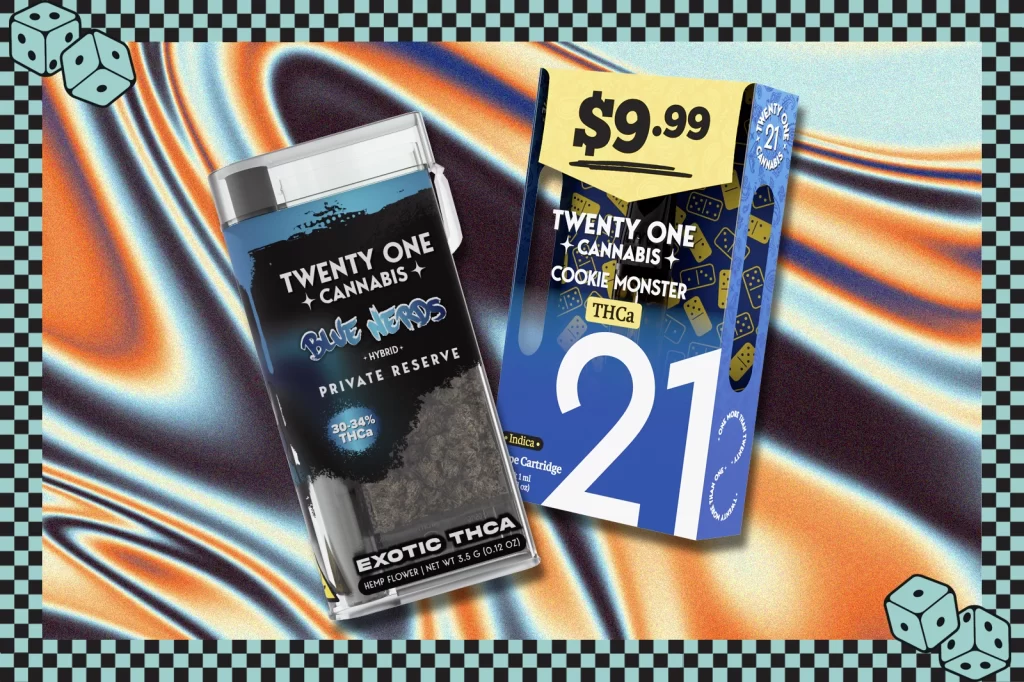
When deciding between THCo and THCa, the choice becomes clear once you consider legality, safety, and product quality.
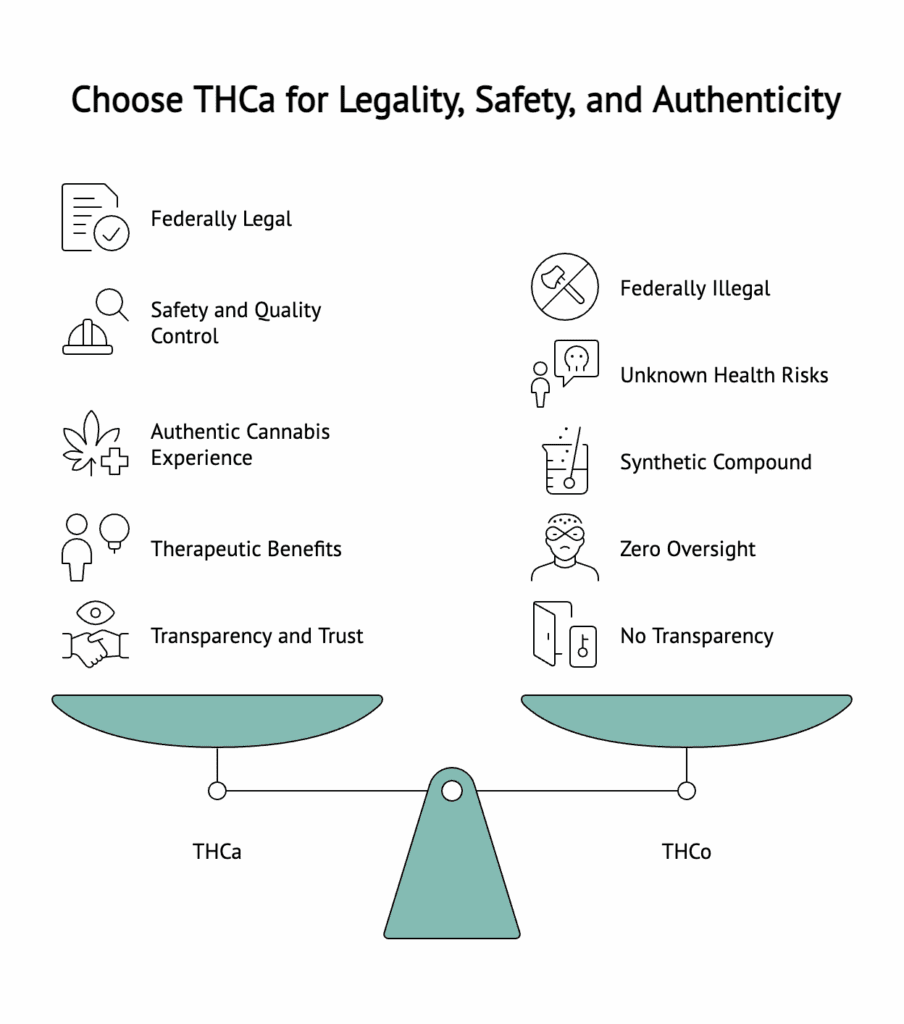
Maximizing THCa benefits while minimizing risks requires understanding proper consumption methods, dosing strategies, and product selection.
Inhalation provides the fastest onset and most controllable dosing method for THCa. Smoking THCa flower in joints, pipes, or bongs instantly decarboxylates THCa into THC through combustion heat. Effects begin within 1-5 minutes. This allows users to gauge their response and adjust intake accordingly.
Vaping offers a smoother alternative with enhanced flavor preservation. Dry herb vaporizers heat THCa flower to precise temperatures (315-430°F) that convert THCa to THC without combustion. This method preserves more terpenes and offers cleaner inhalation compared to smoking.
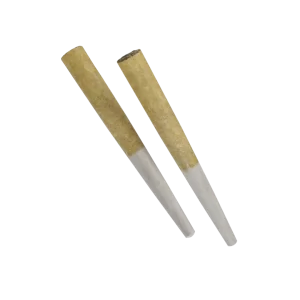
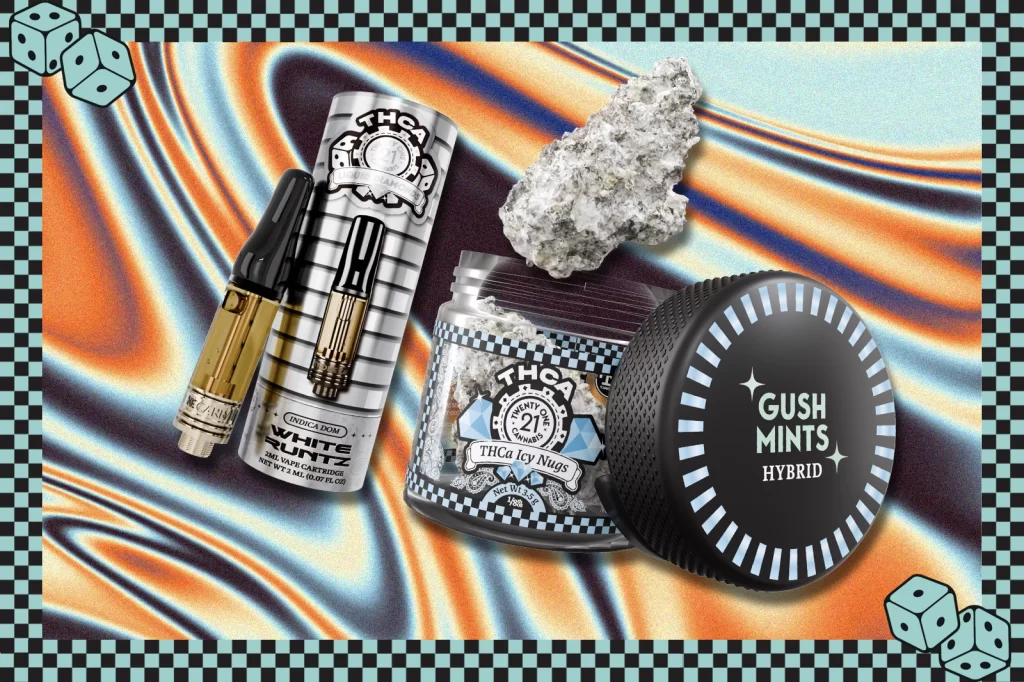
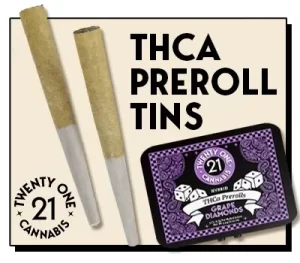
Want some prerolls you can smoke? The Sour Diesel THCa Prerolls deliver the punchy energy that sativa lovers crave. Each preroll bursts with the strain’s signature tangy, fuel-forward aroma, offering a quick-onset cerebral buzz that brightens mood and sharpens focus. Rolled with premium whole THCa flower, these prerolls are designed for a clean burn and a long-lasting uplift that inspires creativity and conversation.
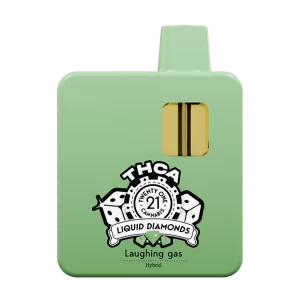
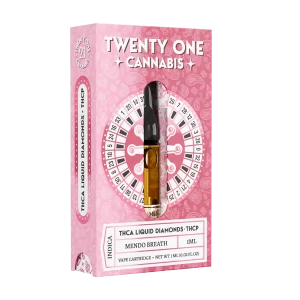
For those who prefer vapor to smoke, the Grape Nerdz THCa + THCp Disposable Vape transforms the experience into something sweeter and more potent. Much like the candy it’s named after, Grape Nerdz delivers juicy grape and berry flavors layered with hints of strawberry, balanced by THCp’s powerful, body-heavy relaxation. The combination of THCa and THCp makes this indica vape ideal for unwinding at night while savoring smooth, candy-like clouds of flavor.
Those seeking potential therapeutic benefits without intoxication can consume raw THCa through juicing fresh cannabis leaves, using THCa tinctures sublingually, or incorporating raw flower into smoothies. The key is avoiding heat exposure that would trigger decarboxylation.
Raw consumption allows users to access THCa’s potential anti-inflammatory and neuroprotective properties while maintaining full mental clarity. Athletes, wellness-focused consumers, and medical patients often prefer this approach for daily use without impairment.
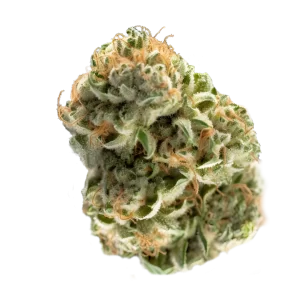
If you’re looking into raw consumptions, flowers are a good option as any. The Maui Wowie THCa Flower captures the essence of island living with its sweet pineapple and citrus aroma. This sativa delivers an uplifting, creative high powered by 25% THCa, perfect for daytime focus, motivation, or social energy. Smooth, bright, and flavorful, Maui Wowie offers a euphoric escape that keeps you energized and inspired from the first puff to the last.
New users should start with a single inhalation and wait 10-15 minutes to assess effects before consuming more. THCa flower varies in potency by strain. Indica-dominant varieties typically produce more sedating effects, and sativa-leaning strains offer more energizing experiences.
Begin with lower-potency strains (15-20% THCa) before progressing to premium high-potency options (25-30% THCa).
Choosing the right cannabinoid is only half the equation. Sourcing from a trusted, transparent vendor ensures product quality, safety, and consistency. Twenty One Cannabis distinguishes itself through pharmaceutical-grade formulation, complete transparency, and unwavering commitment to natural cannabinoids.
Every product undergoes third-party lab testing with publicly accessible COAs showing exact cannabinoid percentages, terpene profiles, and safety screenings for heavy metals, pesticides, and contaminants. Our pharmacist and PhD chemist personally oversee product formulation. This ensures consistency that generic brands cannot match.
We physically visit cultivation facilities in Colorado, Arizona, California, and Oregon to verify growing conditions and establish relationships with growers committed to clean, high-quality cannabis. This hands-on approach guarantees the premium quality consumers deserve.
Our education-first approach provides detailed resources on cannabinoid science, consumption methods, and product selection. We build long-term trust through transparency rather than relying on marketing hype or unsupported claims.
When you choose Twenty One Cannabis, you’re choosing a brand that values your safety, satisfaction, and informed decision-making above all else. Shop our collection of THCa products today.
No, THCo and THCa are fundamentally different compounds. THCo is a synthetic cannabinoid created through chemical acetylation in laboratories, while THCa is a naturally occurring compound in raw cannabis. They have different molecular structures, legal statuses, and safety profiles.
The DEA classified THCo as a Schedule I controlled substance in 2023 because it’s synthetically produced and doesn’t occur naturally in cannabis plants. THCa remains legal under the 2018 Farm Bill because it’s a natural hemp derivative that meets federal compliance standards.
This claim lacks peer-reviewed scientific validation. While some users report more intense effects from THCo, the “3x stronger” marketing claim isn’t supported by clinical research. THCo’s prodrug nature may create more bioavailable THC after liver metabolism, but controlled studies haven’t confirmed specific potency multipliers.
No, raw THCa is non-psychoactive and won’t produce intoxication. The carboxyl group prevents THCa from binding to CB1 receptors. Only when heated through smoking, vaping, or cooking does THCa decarboxylate into psychoactive THC that produces the characteristic cannabis high.
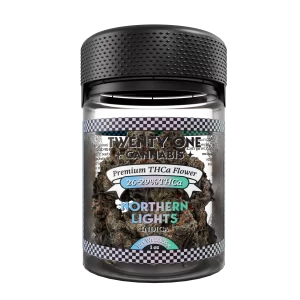
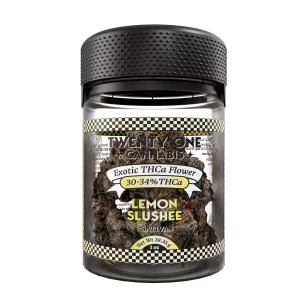
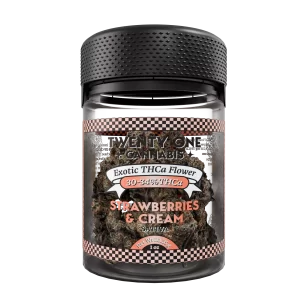
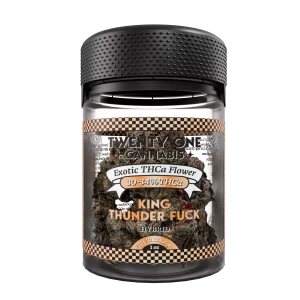
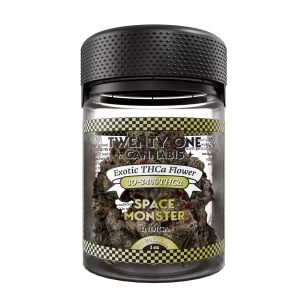
Shop Twenty One Cannabis for premium, lab-tested THCa flower, vapes, and prerolls. All products include third-party COAs verifying cannabinoid content and safety. We source from farms in Colorado, Arizona, California, and Oregon with pharmacist-formulated quality standards.
No long-term safety studies exist for THCo. The Journal of Medical Toxicology documented potential EVALI-like lung injuries from THCo vaping. Without clinical research, long-term risks remain unknown. Given its illegal status and safety concerns, natural alternatives like THCa provide safer options.


Doctor of Pharmacy, Pharmaceutical Sciences University of Colorado
Co-Founder & CEO at Arvida Labs

You must be over 21 to enter.
GET NOTIFIED ABOUT ONLINE SALES AT 21 CANNABIS!