


FOR HIGH ROLLERS
 Lindsey Goldstein
Quick Answer: THCh and THCa are fundamentally different cannabinoids with opposing effects and origins. THCh is a synthetic, psychoactive compound with a 6-carbon chain that binds strongly to CB1 receptors, producing intense highs lasting longer than traditional THC. THCa is a naturally occurring, non-psychoactive precursor to THC found in raw cannabis that only becomes intoxicating when heated through decarboxylation.
Cannabis chemistry keeps throwing curveballs at consumers, and with new and improved cannabinoids like THCh and THCa, it proves just how much we still have to learn about familiar compounds. Most experienced users know their way around Delta-9 THC, CBD, and perhaps a few minor cannabinoids, but these two operate by entirely different rules that challenge conventional knowledge about potency and effects.
THCh is a symbol of just how creative cannabinoid science can be, with its exceptional CB1 receptor binding that surpasses traditional THC variants by significant margins. THCa, despite being the acidic precursor to Delta-9 THC, offers therapeutic applications without psychoactivity when consumed raw, making it particularly intriguing for specific use cases.
This guide breaks down the molecular structures, bioavailability factors, potency metrics, and practical applications that separate these cannabinoids. We’ll go over everything consumers need to know before they decide what cannabinoid they should go with.
Tetrahydrocannabihexol (THCh) represents one of the newest entries in the synthetic cannabinoid market. First isolated by Italian researchers led by Dr. Cinzia Citti in 2020 alongside CBDH, as published in Scientific Reports, this compound distinguishes itself through its unique hexyl side chain. It has a 6-carbon structure that fundamentally alters how it interacts with your endocannabinoid system.
Unlike naturally abundant cannabinoids, THCh appears in cannabis plants at trace levels, usually below 0.1% in strains like Italy’s FM2 variant. This scarcity means commercial THCh products rely entirely on synthetic production methods. According to cannabis chemistry expert Dr. Mark Scialdone, chemists create THCh through a process called terpenylation, combining hexyl resorcinol with PMD (p-mentha-2,8-dien-1-ol), a limonene derivative. The process is more complicated than simply adding carbons to existing THC molecules. It is building an entirely new compound from synthetic precursors.
Users report THCh produces an intense body high that can last twice as long as Delta-9 THC, with effects characterized by deep euphoria, pronounced sedation, and what many describe as a “couch-lock” sensation that keeps them glued in place for hours.
This isn’t a functional, creative high. The compound’s enhanced receptor binding creates effects that feel heavier, more immersive, and potentially overwhelming for inexperienced users. Starting doses range from 2-5mg, significantly lower than standard THC servings.
Vendors market THCh as energizing and mood-boosting at lower doses, though user reports vary widely. Some describe clear-headed stimulation perfect for daytime use, while others experience intense psychedelic-like effects even at moderate doses. This variability likely stems from the lack of standardization in synthetic production methods and the absence of specific dosing guidelines.
THCh’s chemical structure is its defining feature. It has an n-hexyl side chain containing six carbon atoms, compared to Delta-9 THC’s five-carbon pentyl chain. This single additional carbon dramatically increases the molecule’s lipophilicity, allowing it to cross the blood-brain barrier more efficiently and bind more tightly to cannabinoid receptors.
Structurally, THCh (C₂₂H₃₄O₂) maintains the same tricyclic benzopyran core as other THC variants but extends its alkyl chain at the C3 position. This modification follows a pattern seen in other potent synthetic cannabinoids: longer carbon chains that correlate with increased receptor binding affinity and psychoactive intensity. It’s the same principle that makes THCp (with its seven-carbon chain) even more potent than THCh.
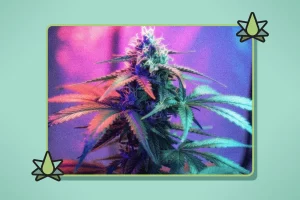
Tetrahydrocannabinolic acid (THCa) represents the natural, unactivated form of THC found abundantly in raw cannabis plants. Unlike synthetic compounds, THCa develops naturally through the plant’s biosynthetic pathways, accumulating in trichomes as the primary cannabinoid before any processing occurs.
In fresh Twenty One Cannabis THCa flower strains, THCa concentrations can reach 15-30% by weight, making it the dominant cannabinoid in most cultivars. This compound features an additional carboxyl group (COOH) attached to its molecular structure. This may seem like a seemingly small addition, but it completely prevents psychoactive effects by blocking CB1 receptor binding in its raw form.
The transformation from THCa to THC occurs through decarboxylation, triggered by heat (smoking, vaping), light exposure, or time. Research published in the British Journal of Pharmacology demonstrates that when you light up THCa, that heat instantly converts THCa into psychoactive THC at approximately 220°F, delivering the classic cannabis effects consumers expect. Without this activation, THCa remains non-intoxicating regardless of dosage.
When it comes to raw THCa, consumers can expect potential therapeutic benefits without intoxication. Studies from the International Journal of Molecular Sciences suggest anti-inflammatory, neuroprotective, and anti-nausea properties that make it valuable for wellness applications. Consumers juice raw cannabis or consume THCa tinctures for these benefits while maintaining mental clarity.
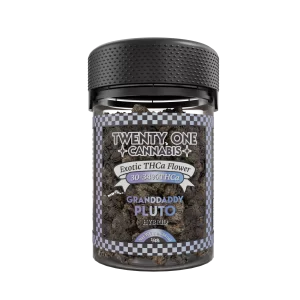
However, most users purchase THCa flowers for their conversion potential. THCa flowers deliver immediate effects once lit, as decarboxylation occurs instantly at combustion temperatures. The resulting experience matches traditional cannabis: euphoria, relaxation, sensory enhancement, and the full spectrum of effects associated with each strain’s terpene profile.
This dual nature makes THCa uniquely versatile. Wellness-focused consumers can incorporate raw THCa into their routines for potential anti-inflammatory support, while recreational users enjoy full psychoactive effects through traditional consumption methods. This flexibility drives THCa’s growing market share among both medical patients and adult-use consumers.
THCa’s molecular formula (C₂₂H₃₀O₄) has a critical carboxyl group that differentiates it from THC (C₂₁H₃₀O₂). This acidic functional group makes THCa a larger, more polar molecule that cannot efficiently cross the blood-brain barrier or fit properly into CB1 receptor binding sites, explaining its complete lack of psychoactivity in raw form.
The decarboxylation process removes this carboxyl group as carbon dioxide (CO₂), usually requiring temperatures above 220°F. This explains why eating raw cannabis doesn’t produce intoxication, while smoking the same material delivers powerful effects. The structural change is irreversible. Once THCa converts to THC, it cannot revert to its acidic form.
While the differences seem minor at first glance, these molecular differences create stark variance between the experiences consumers get from these cannabinoids.
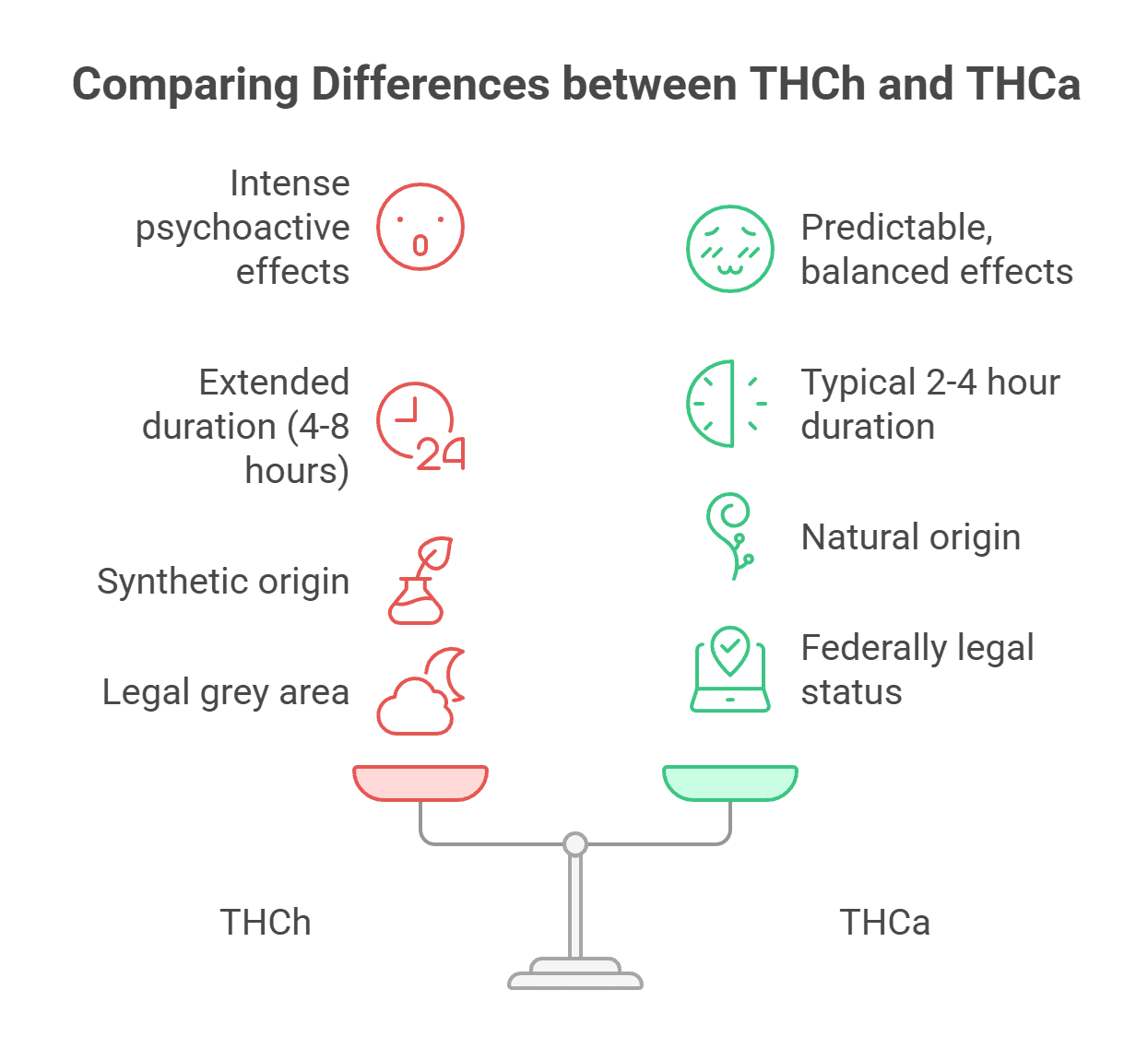
These cannabinoids lie at opposite ends of the psychoactive spectrum. THCh reportedly delivers effects 10-25 times stronger than standard THC, with just 1-2mg producing noticeable intoxication. Users describe the high as overwhelmingly intense, with strong body effects and extended duration that can last 4-8 hours from a single dose.
Compare this to THCa, which produces zero psychoactive effects in its raw form regardless of dosage. You could consume high dosages of THCa without any intoxication, unless you’re hearing the cannabinoid. Once decarboxylated, THCa converts to THC at roughly a 0.877 conversion rate (87.7% efficiency), meaning our 30% THCa flower yields approximately 26% THC when smoked.
For practical purposes, heated THCa products deliver effects identical to traditional THC flower, while THCh operates in an entirely different potency class. This makes dosing critically important. Experienced cannabis users often find THCh overwhelming, while THCa flower provides familiar, predictable effects when consumed traditionally.
THCh vs THCa effects couldn’t be more different in their user experiences. THCh consistently produces:
THCa (when heated) delivers the classic cannabis experience:
THCa develops naturally through enzymatic processes in living cannabis plants, representing millions of years of evolutionary refinement. Every batch of our THCa flower contains this naturally occurring compound exactly as the plant produced it.
THCh requires laboratory synthesis using industrial chemicals and complex reactions. While technically present in trace amounts naturally, commercial THCh is 100% synthetic, produced through chemical modification of CBD or other precursors.
One of the only things common between these two cannabinoids is that they both exist in a legal grey area.
Hemp-derived THCa products containing less than 0.3% Delta-9 THC remain federally legal under the 2018 Farm Bill, though this status faces ongoing challenges. States like Texas are implementing “total THC” testing that includes THCa in calculations, potentially restricting access.
THCh exists in an even grayer area. While technically legal if derived from compliant hemp, many states explicitly ban synthetic cannabinoids or compounds created through chemical conversion. The lack of natural abundance means THCh cannot claim the same agricultural exemptions that protect THCa flower sales.
THCh vs THCa products show stark differences in availability and variety. THCh remains limited to specialized formulations:
No genuine THCh flower exists commercially and any marketed as such contains sprayed synthetic cannabinoids rather than naturally occurring compounds. Most THCh products blend multiple cannabinoids to moderate intensity and create more balanced effects.
While THCh availability remains limited industrywide, Twenty One Cannabis offers carefully selected THCh flower strains that showcase this compound’s unique properties:
The Blueberry Dream THCh Flower (Sativa) is a fruity, uplifting strain that highlights the energizing qualities of THCh. Bursting with blueberry sweetness, it’s perfect for daytime use when you want clarity, creativity, and motivation. The enhanced potency from THCh gives it more staying power than a standard sativa, making it a great pick for those who need focus and energy that lasts.
Switching from bright and energizing to rich and relaxing, the Ice Cream Mintz THCh Flower (Indica) offers creamy dessert-like flavors with cooling mint undertones. This indica leans heavily into body relaxation, easing away stress while calming the mind. Thanks to THCh’s boosted strength, the effects are long-lasting and deeply soothing, making it a perfect evening strain for winding down.
Balancing those two extremes is the White Widow THCh Flower (Hybrid), a legendary hybrid given an extra edge with THCh. Its earthy, slightly floral flavor complements a versatile high that blends mental clarity with body ease. The result is a flexible strain you can enjoy day or night, offering strength and stability in equal measure.
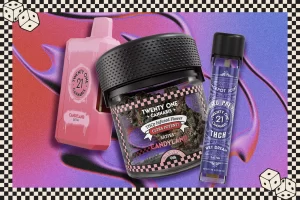
Our THCa selection reflects the compound’s versatility and natural abundance. Here are some products from Twenty One Cannabis that are a good place to start.
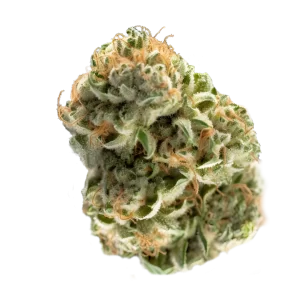
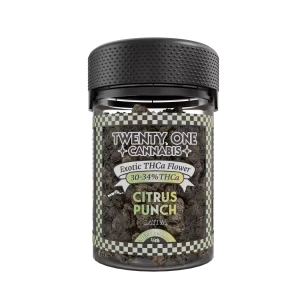
The Apple Fritter THCa Flower offers a dessert-like experience that balances relaxation with a subtle cerebral lift. With its sweet apple and pastry-inspired flavor profile, this strain pairs a cozy body calm with just enough head clarity to keep things engaging. It’s an excellent option for evening use or anytime you want comfort without being completely sedated.
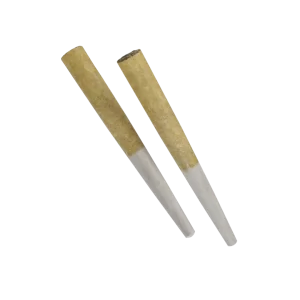
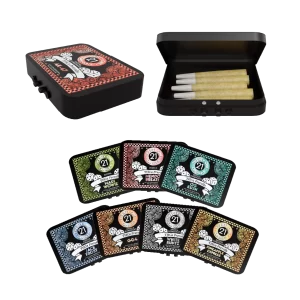
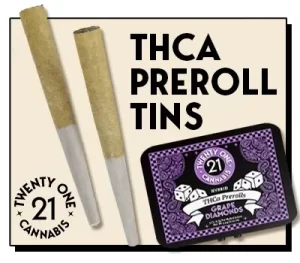
The OG Kush THCa Prerolls showcase why this strain is such a legend. With lemon-pine fuel, skunk, and spice on the nose, these prerolls deliver a potent, indica-leaning high that combines euphoria, body relaxation, and enhanced creativity. Pre-rolled and convenient, they’re perfect for evening sessions when you want both strength and flavor without the hassle.
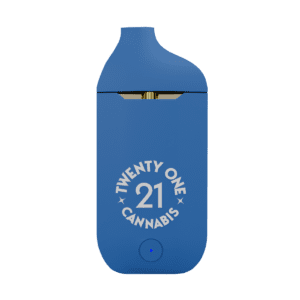
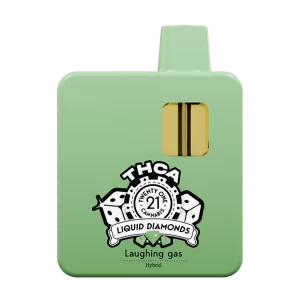
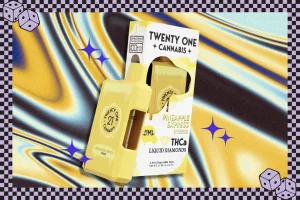
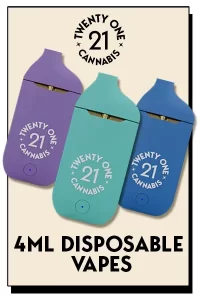
If portability is what you’re after, the 3ML THCa Disposable Vapes take that same potency into an easy-to-use format. Featuring standout strains like AK-47, Grape Soda, and Laughing Gas, these vapes are powered by THCa diamonds for extra strength and a smoother inhale. They’re a great option for consumers who want fast-acting effects with discreet convenience and long-lasting flavor.
For those who prefer traditional flower but still want something special, the Icy Nugs THCa Flower line delivers premium potency and flavor in bulk jars. Strains like Kool Whip, Laughing Budda, and Purple Trainwreck are infused for enhanced strength, offering bold aromas and robust effects tailored to different preferences—whether you lean toward relaxing indicas, uplifting sativas, or balanced hybrids.
So, now that you know about the differences between these two cannabinoids, which one should be on your bucket list? Here are some notable factors that can make your decision easier.
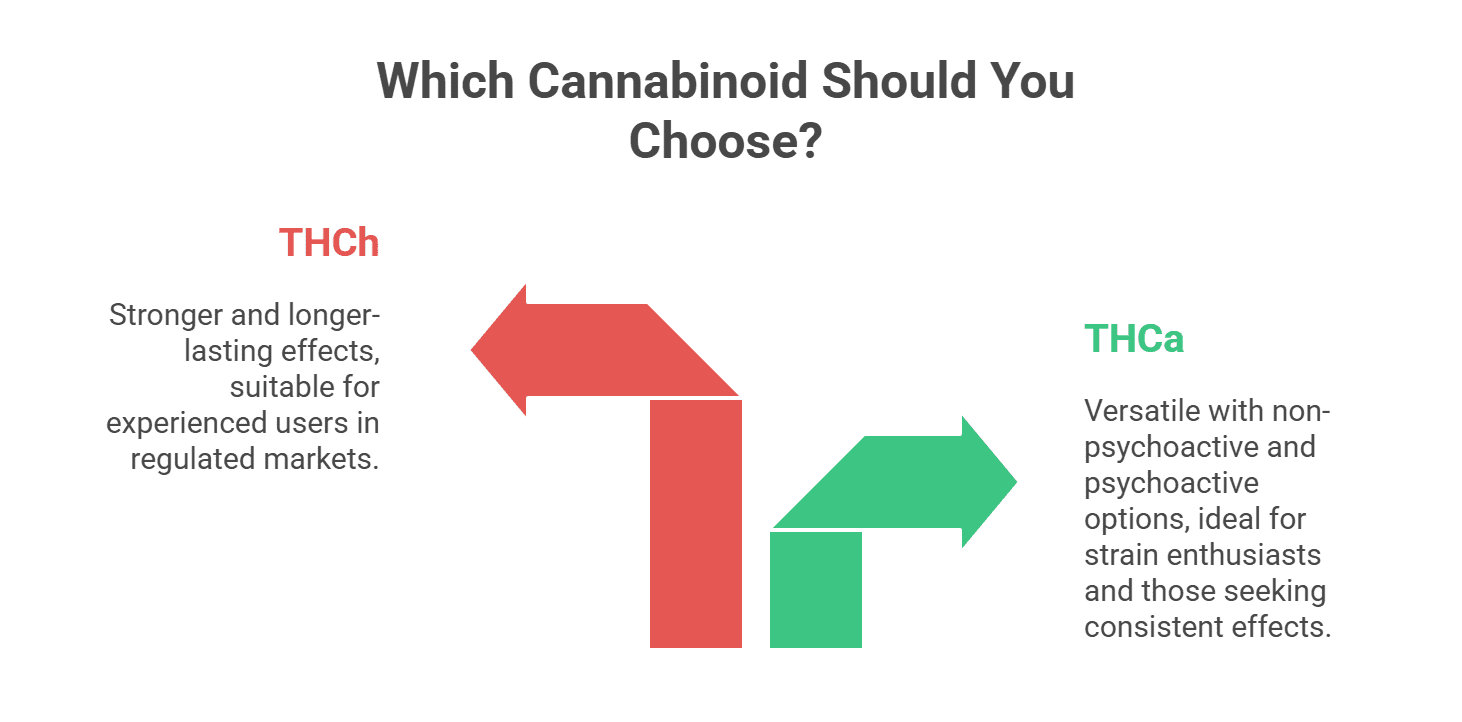
THCa is a versatile option that appeals to a broad range of cannabis consumers. It offers both raw, non-psychoactive benefits as well as the classic THC experience when heated. For many, it provides a safe and reliable way to enjoy cannabis while highlighting the unique character of each strain. You should pick THCa if:
THCh is a much stronger cannabinoid that is generally best suited for advanced consumers. With reports of enhanced potency and longer-lasting effects, it stands apart from traditional THC, but it should be approached carefully due to limited research and its intensity. You should pick THCh if:
| Attribute | THCh | THCa |
| Chemical Structure | 6-carbon hexyl chain | Extra carboxyl group (COOH) |
| Origin | Synthetic (lab-made) | Natural (plant-derived) |
| Psychoactivity | Intense (10-25x stronger than THC) | None when raw / Full THC effects when heated |
| Typical Dosage | 1-5mg | 10-30mg (converts to 9-26mg THC) |
| Duration | 4-8 hours | 2-4 hours (when heated) |
| Primary Effects | Heavy sedation, body high | Strain-dependent, balanced |
| Safety Research | Minimal | Extensive, favorable |
| Federal Legal Status | Gray area (synthetic) | Legal if <0.3% Delta-9 THC |
| Product Variety | Limited (vapes, tinctures) | Extensive (flower, prerolls, vapes, edibles) |
| Natural Abundance | <0.1% in cannabis | 15-30% in raw flower |
| Onset Time | 15-45 minutes (varies by method) | Immediate when smoked/vaped |
Cannabinoids like THCa and THCh open up new possibilities for cannabis consumers, but they also make one thing very clear: quality matters. THCa offers the flexibility of raw, non-psychoactive benefits alongside the classic high when heated, while THCh delivers extreme potency and longer-lasting effects best suited for experienced users. Both require careful cultivation, clean processing, and transparent testing to ensure safety and consistency.
That’s exactly what you’ll find at Twenty One Cannabis. We partner with trusted growers of U.S.-grown hemp, ensuring every flower, preroll, and vape is cultivated without harmful pesticides, heavy metals, or contaminants. Our products are crafted in GMP-compliant facilities, giving you confidence in consistency and safety from start to finish. Every batch is backed by third-party Certificates of Analysis (COAs), so you always know exactly what cannabinoids and terpenes are inside.
With years of industry experience and a carefully curated selection, we’re here to help you find THCa and THCh products that match your tolerance, preferences, and goals.
When you want potency, purity, and peace of mind in one place, Twenty One Cannabis is the name you can trust. Browse our range of THCh and THCa products today.


Doctor of Pharmacy, Pharmaceutical Sciences University of Colorado
Co-Founder & CEO at Arvida Labs

You must be over 21 to enter.
GET NOTIFIED ABOUT ONLINE SALES AT 21 CANNABIS!