


FOR HIGH ROLLERS
 Fabian Raemy
Quick Answer: THCA is the non-psychoactive acidic precursor to Delta-9 THC found in raw cannabis that converts to psychoactive Delta-9 through heat exposure (decarboxylation). While THCA offers potential wellness benefits without intoxication, heating it at 220-245°F transforms it into Delta-9 THC at an 87.7% conversion rate, producing the classic cannabis high.
If you’ve been researching cannabis products, you’ve probably encountered the THCA vs Delta-9 debate and wondered what exactly sets these two compounds apart. The confusion is understandable – these cannabinoids are intimately connected yet fundamentally different in how they affect your body and mind.
Here’s what most people don’t realize: every bit of Delta-9 THC in cannabis started its life as THCA. According to recent research, the optimal temperature range for decarboxylating THCA typically falls between 220°F (104°C) and 240°F (115°C), transforming this non-intoxicating compound into the psychoactive powerhouse we know as Delta-9 THC.
Whether you’re seeking therapeutic benefits without the high, looking to understand legal loopholes, or simply want to make more informed choices about your cannabis consumption, this comprehensive guide breaks down everything you need to know about THCA and Delta-9 THC. We’ll explore their molecular differences, conversion process, effects, benefits, and help you determine which option aligns with your needs.
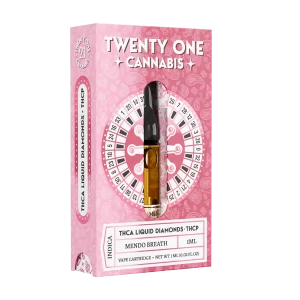
At Twenty One Cannabis, we believe in transparency and education. That’s why we provide detailed lab results and cannabinoid profiles for all our products, ensuring you know exactly what you’re getting – whether it’s our premium THCA flower or our carefully crafted vape cartridges.
| Aspect | THCA | Delta-9 THC |
|---|---|---|
| Psychoactive | No (in raw form) | Yes |
| Legal Status | Federally legal if <0.3% D9 | Federally restricted |
| Conversion | Becomes D9 when heated | Active form |
| Best For | Raw consumption, wellness | Psychoactive effects |
THCA, or tetrahydrocannabinolic acid, is the dominant cannabinoid found in fresh, raw cannabis plants. Unlike its famous counterpart Delta-9 THC, THCA won’t get you high in its natural state. This non-psychoactive compound makes up the majority of the cannabinoid content in living cannabis, with some strains containing up to 25-30% THCA by weight.
The molecular structure of THCA includes an extra carboxyl group (-COOH) attached to its carbon chain. This additional component prevents THCA from binding effectively with your CB1 receptors – the same receptors responsible for THC’s intoxicating effects. Think of it like a key that doesn’t quite fit the lock until it’s been modified.
What makes THCA particularly interesting is its stability in raw cannabis. THCA decarboxylation follows first-order reaction kinetics, meaning the conversion rate is proportional to the remaining precursor concentration. This means fresh cannabis can maintain high THCA levels for extended periods when stored properly at cool temperatures away from light and heat.
If you’re curious about experiencing THCA’s potential benefits without psychoactive effects, consider trying raw consumption methods or check out our guide on how THCA flower is made to understand the cultivation process better.
THCA production begins at the molecular level within the cannabis plant’s trichomes – those tiny, crystal-like structures coating the flowers. The biosynthesis process starts when enzymes called THCA synthase convert cannabigerolic acid (CBGA), often called the “mother of all cannabinoids,” into THCA.
This natural production process involves several steps:
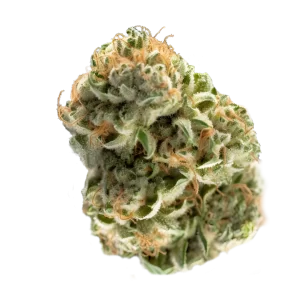
Modern cultivation techniques have pushed THCA concentrations to unprecedented levels. Premium strains like those in our THCA flower collection regularly test above 20% THCA content, with some exceptional phenotypes reaching 30% or higher.
Here’s where things get interesting: THCA itself won’t produce any psychoactive effects when consumed raw. You could eat an entire fresh cannabis flower, and while you might experience some wellness benefits, you won’t feel high. This non-intoxicating nature makes THCA appealing for those seeking cannabis’s potential therapeutic properties without impairment.
However, the moment you apply heat – whether through smoking, vaping, or cooking – THCA rapidly converts to Delta-9 THC. At temperatures lower than 100°C, the reaction did not reach completion within 60 min. At higher temperatures, the concentration of THCA-A approached zero in 30, 9, and 6 min at 110°C, 130°C, and 145°C, respectively.
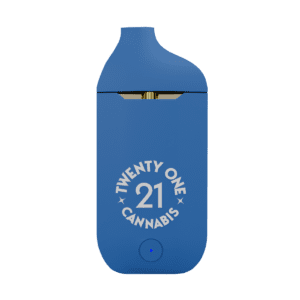
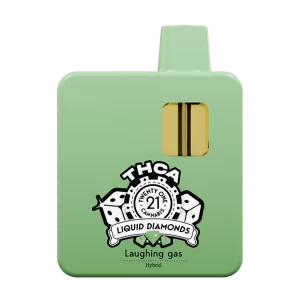
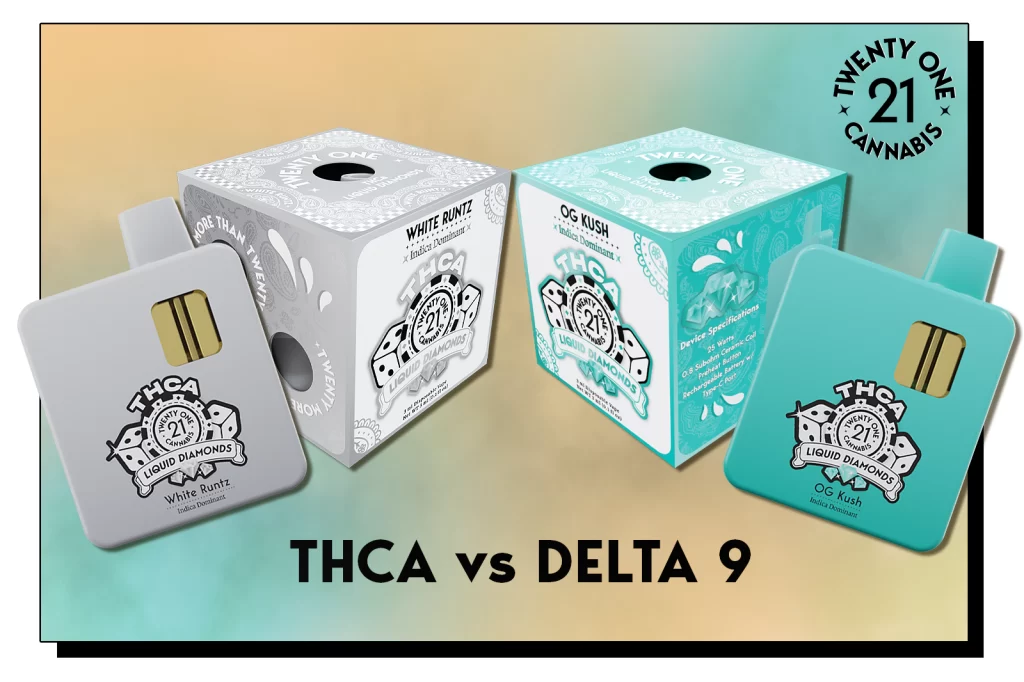
When consuming THCA products like our White Runtz THCA Diamonds Disposable Vape, the heating element instantly decarboxylates the THCA, delivering the full spectrum of Delta-9 THC effects within seconds.
While research on THCA is still emerging, preliminary studies suggest several promising therapeutic applications that don’t require getting high.
THCA appears to work similarly to NSAIDs by potentially inhibiting inflammatory enzymes like COX-1 and COX-2. This mechanism may help reduce pro-inflammatory compounds in the body without the psychoactive effects of THC. Some users report relief from conditions like arthritis and inflammatory bowel disorders when consuming raw THCA.
Emerging research indicates THCA might protect brain cells from oxidative stress and degradation. While more studies are needed, early findings suggest potential applications for neurodegenerative conditions. The compound’s ability to cross the blood-brain barrier in its acidic form opens interesting therapeutic possibilities.
THCA may help reduce nausea and vomiting through mechanisms distinct from Delta-9 THC. This makes it particularly interesting for those who need relief but can’t tolerate THC’s psychoactive effects. Some patients undergoing chemotherapy have reported benefits from raw cannabis juice high in THCA.
Unlike Delta-9 THC’s famous “munchies” effect, THCA may actually help regulate appetite rather than stimulate it excessively. This unique property makes it interesting for both those looking to maintain healthy eating patterns and those needing gentle appetite support.
These statements have not been evaluated by the FDA. THCA products are not intended to diagnose, treat, cure, or prevent any disease.
THCA is generally well-tolerated with minimal side effects when consumed in its raw form. The most commonly reported issues include:
It’s worth noting that these side effects are typically much milder than those associated with Delta-9 THC, making THCA an attractive option for those sensitive to traditional cannabis products.
Your consumption method dramatically affects whether you’ll experience THCA’s non-psychoactive benefits or Delta-9 THC’s intoxicating effects:
Delta-9 THC, or delta-9-tetrahydrocannabinol, is the primary psychoactive compound in cannabis and the cannabinoid responsible for the classic marijuana high. When people talk about THC without specification, they’re almost always referring to Delta-9.
This compound directly binds to CB1 receptors in your brain and central nervous system, triggering a cascade of effects including euphoria, altered perception, and relaxation. THC triggers your brain to release large amounts of dopamine, a “feel good” chemical, which explains its mood-elevating properties.
Modern cannabis strains have been selectively bred to maximize Delta-9 THC content, with some varieties now exceeding 30% THC by dry weight. However, it’s important to understand that all this THC started as THCA in the living plant.
Delta-9 THC doesn’t exist in significant quantities in fresh cannabis. Instead, it’s created through decarboxylation – the process of applying heat to remove THCA’s carboxyl group. This transformation can occur through:
Over time, exposure to light, oxygen, and ambient temperatures slowly converts THCA to Delta-9, though this process takes months or years and results in some degradation to CBN.
Research indicates that a consistent temperature of about 220°F (104°C) for 30 to 45 minutes optimizes conversion rates. This method is ideal for preparing cannabis for edibles while preserving terpenes.
Smoking or vaping instantly converts THCA to Delta-9 at temperatures exceeding 315°F (157°C). While efficient, these high temperatures can destroy beneficial terpenes and create harsh smoke.
Understanding this conversion process helps explain why eating raw cannabis won’t get you high, but smoking the same amount will. It’s also why properly stored cannabis maintains potency – the THCA remains stable until you’re ready to convert it.
Delta-9 THC produces a complex array of effects that vary based on dose, individual tolerance, consumption method, and strain profile. The experience typically includes:
The specific effects depend heavily on whether you’re consuming a sativa-dominant strain like our Lemon Cookie for energy and focus, or an indica like Granddaddy Purple for deep relaxation.
Delta-9 THC has been extensively studied for decades, with research supporting several therapeutic applications:
Delta-9 THC interacts with pain signaling pathways in both the central and peripheral nervous systems. Studies suggest it may be particularly effective for neuropathic pain that doesn’t respond well to traditional painkillers. The compound works by modulating pain perception rather than eliminating the source.
The FDA has approved synthetic Delta-9 THC (dronabinol) for treating appetite loss in AIDS patients and chemotherapy-induced nausea. THC stimulates the release of ghrelin, the hunger hormone, while enhancing the sensory experience of eating.
Delta-9 THC may help reduce the time it takes to fall asleep and increase deep sleep phases. However, chronic use can potentially suppress REM sleep, so moderation is key. Many users find indica-dominant strains particularly helpful for insomnia.
While individual responses vary, many users report Delta-9 THC helps manage symptoms of depression and PTSD. The compound’s ability to promote neuroplasticity and modulate serotonin may contribute to these effects.
These statements have not been evaluated by the FDA. Cannabis products are not intended to diagnose, treat, cure, or prevent any disease.
While generally safe for adult use, Delta-9 THC can produce unwanted effects, especially at higher doses:
Starting with low doses and choosing strains with balanced cannabinoid profiles can help minimize these effects. Consider exploring terpene profiles that promote euphoria without anxiety.
The optimal consumption method depends on your desired onset time, duration, and intensity of effects:
| Method | Onset | Duration | Bioavailability | Best For |
|---|---|---|---|---|
| Inhalation | 2-10 minutes | 1-3 hours | 10-35% | Fast relief, dose control |
| Edibles | 30-120 minutes | 4-8 hours | 4-12% | Long-lasting effects |
| Sublingual | 15-45 minutes | 2-4 hours | 12-35% | Balanced onset/duration |
| Topical | 15-30 minutes | 2-4 hours | 0% (no high) | Localized relief |
For precise dosing and consistent effects, consider our vape cartridges that offer controlled temperature settings for optimal cannabinoid delivery.
Understanding the decarboxylation process is crucial for anyone working with cannabis. This chemical reaction removes a carboxyl group (COOH) from THCA, releasing carbon dioxide and leaving behind psychoactive Delta-9 THC.
The following chart outlines optimal temperatures and times for decarboxylating cannabis: THC 245°F (118°C) 30-40 minutes. However, the relationship between temperature and time isn’t linear – higher temperatures speed up the reaction but also increase the risk of THC degradation to CBN.
The conversion isn’t 100% efficient due to molecular weight differences. Remember, the THCa to THC conversion rate is approximately 87.7%, meaning that 87.7% of the THCa will become THC when heated for the right amount of time at the proper temperature. This means:
Tightly packed cannabis decarboxylates slower than loosely spread material due to heat distribution differences.
Drier material decarboxylates more efficiently. Excess moisture can create uneven heating and incomplete conversion.
Oxygen and high temperatures led to the decomposition of THC and CBD over time. Vacuum-sealed or inert atmosphere decarboxylation preserves more THC.
For those interested in the science behind cannabinoid transformation, explore our article on how THCA is grown and cultivated.
The effects of THCA and Delta-9 couldn’t be more different, despite their close chemical relationship:
The key difference lies in receptor binding. THCA’s bulky carboxyl group prevents it from fitting into CB1 receptors, while Delta-9’s streamlined structure allows direct binding and activation. This fundamental difference determines whether you’ll experience wellness support or psychoactive effects.
Comparing potency between THCA and Delta-9 requires understanding that “potency” means different things for each compound:
When shopping for products, remember that THCA percentage on lab reports represents potential THC after decarboxylation. Our THCA flower collection includes detailed lab reports showing both THCA content and potential Delta-9 THC levels.
Recent experiences from cannabis consumers highlight the practical differences between these compounds. Based on community feedback and user reports, here’s what people are saying:
“THCA is short for tetrahydrocannabinol acid, a non-psychoactive cannabinoid. It’s one of the hundreds of chemical compounds in the marijuana plant. THCA is the acidic form of THC, but unlike THC, it won’t produce a high. Though you can’t get high by directly consuming THCA, it still affects your weed experience. THCA benefits include numerous positive health effects. The compound could also convert into THC with heat exposure via smoking, cooking, dabbing, or vaping weed.”
This user perspective perfectly captures the dual nature of THCA – beneficial on its own, yet containing the potential for psychoactive effects when activated.
The legal distinction between THCA and Delta-9 THC has created a complex regulatory environment that varies significantly across jurisdictions:
Important: Laws change frequently. Always verify current regulations in your jurisdiction before purchasing or consuming any cannabis products. This information is not legal advice.
For the latest updates on cannabinoid legality, check out our analysis of the THCA ban and its impact on hemp innovation.
Price differences between THCA and Delta-9 products reflect market dynamics, legal status, and production methods:
| Factor | THCA Products | Delta-9 Products |
|---|---|---|
| Availability | Growing but still limited | Widely available in legal markets |
| Price Range | Premium pricing (novelty factor) | Competitive, market-driven |
| Quality Variance | High variance, choose reputable brands | More standardized in legal markets |
| Testing Costs | Higher (dual testing for THCA/THC) | Standard testing protocols |
At Twenty One Cannabis, we maintain competitive pricing while never compromising on quality. Our full product lineup offers options for every budget and preference.
Choosing between THCA and Delta-9 depends on your specific needs, lifestyle, and goals:
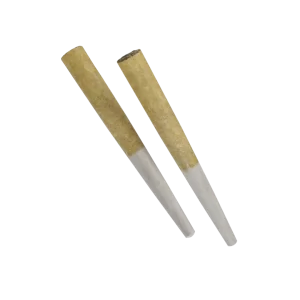
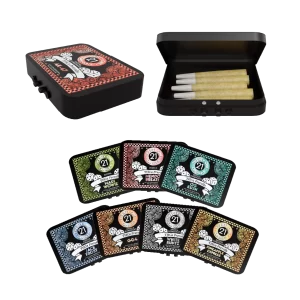
Many users find that having both options available provides maximum flexibility. Start your journey with our Wildcard THCA Pre-rolls for an easy introduction to THCA that can be activated on demand.
When it comes to THCA and Delta-9 products, not all brands are created equal. Twenty One Cannabis stands apart through our commitment to quality, transparency, and education.
Our carefully curated THCA flower selection features strains testing between 20-30% THCA, ensuring maximum potency when you’re ready to activate. From energizing sativas like Lemon Cookie to relaxing indicas like Gelato Cake, we have options for every preference.
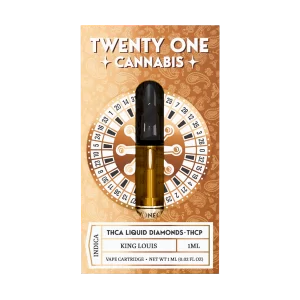
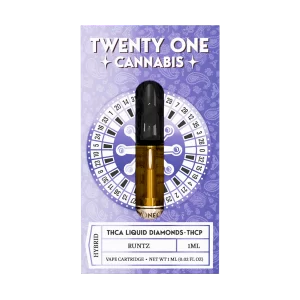
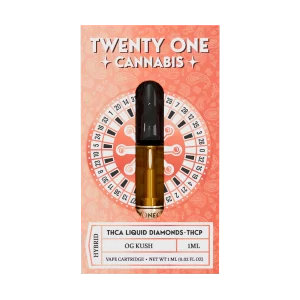
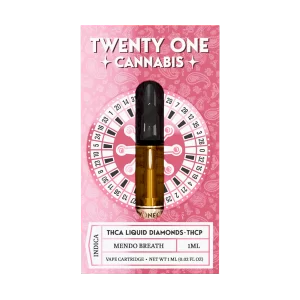
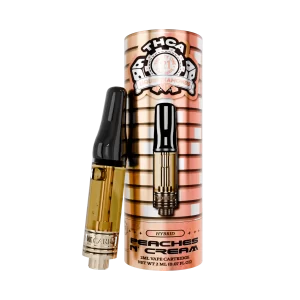
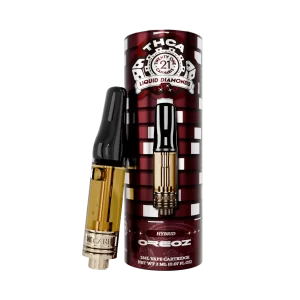
Our THCA Diamond disposable vapes use precision temperature control to ensure optimal decarboxylation without degradation. Experience smooth, flavorful hits with consistent potency in every puff.
Every batch undergoes comprehensive third-party testing for:
We believe informed consumers make better choices. Check out our comprehensive blog for guides on everything from the best ways to smoke THCA to understanding how terpenes affect your experience.
In terms of psychoactive effects, yes – Delta-9 THC is “stronger” because THCA produces no high in its raw form. However, when THCA is heated, it converts to Delta-9 THC at an 87.7% rate, meaning 25% THCA flower can produce effects similar to ~22% Delta-9 THC flower.
Raw THCA consumption typically won’t trigger a positive drug test since tests look for THC metabolites. However, if you smoke or vape THCA products, they convert to Delta-9 THC and will likely cause a positive result. Even trace decarboxylation from improper storage could potentially trigger a test.
No, eating raw THCA will not produce psychoactive effects. The compound must be decarboxylated through heating to convert to Delta-9 THC. Some users consume raw cannabis specifically to access THCA’s potential benefits without intoxication.
THCA begins converting to Delta-9 THC at temperatures as low as 220°F (104°C), with optimal conversion occurring between 230-245°F (110-118°C) for 30-40 minutes. Smoking or vaping instantly converts THCA at temperatures exceeding 315°F (157°C).
Chemically, THCA flower is essentially the same as traditional cannabis flower – both contain high levels of THCA that convert to THC when smoked. The main difference is legal classification and marketing, with THCA flower specifically labeled to highlight its compliance with hemp laws.
Whether you’re interested in THCA’s wellness potential or seeking premium Delta-9 effects, Twenty One Cannabis has the lab-tested, transparently-sourced products you can trust. Our knowledgeable team is here to help you find the perfect match for your needs.


Doctor of Pharmacy, Pharmaceutical Sciences University of Colorado
Co-Founder & CEO at Arvida Labs

You must be over 21 to enter.
GET NOTIFIED ABOUT ONLINE SALES AT 21 CANNABIS!