

FOR HIGH ROLLERS
 Lindsey Goldstein
Quick Answer: THCa and CBD are both non-psychoactive cannabinoids, but they serve very different purposes. THCa is the raw precursor to THC and only becomes intoxicating when heated, making it unique for users who want either non-intoxicating therapeutic benefits or full psychoactive effects, depending on consumption method. Research links THCa to anti-inflammatory and neuroprotective activity through PPARγ pathways. CBD, by contrast, is always non-intoxicating, widely studied, and FDA-approved for specific medical uses, offering consistent anxiety, inflammation, seizure, and sleep support. Choose THCa for versatility, or CBD for predictable, everyday wellness.
If you’ve spent any time shopping for hemp products lately, you’ve probably noticed some familiar letters everywhere. THCa and CBD in particular. They’re on vapes, flower jars, gummies, and tinctures, often sitting side by side on the same shelf. But even though they come from the same plant, they don’t work the same way or feel anything alike.
Think of THCa as the raw, untapped version of THC. This cannabinoid is packed with typical cannabis behavior that only unlocks when it is heated. CBD, on the other hand, is known specifically for its therapeutic features and lacks psychoactive ability. It works quietly behind the scenes, easing tension, soothing inflammation, and keeping your head clear.
So which one actually fits your goals? This article talks about how these two cannabinoids behave, what they’re best for, and why understanding their differences could change how you experience cannabis altogether.
THCa stands for tetrahydrocannabinolic acid, the primary cannabinoid in raw cannabis plants that converts into psychoactive Delta-9 THC through heating.
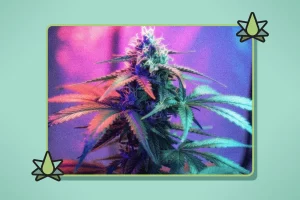
Cannabis produces THCa through enzymatic biosynthesis inside trichomes, where THCa synthase converts cannabigerolic acid (CBGa) directly into THCa as the plant matures. Premium cultivars can reach THCa concentrations of 25-32% by weight before any heat exposure.
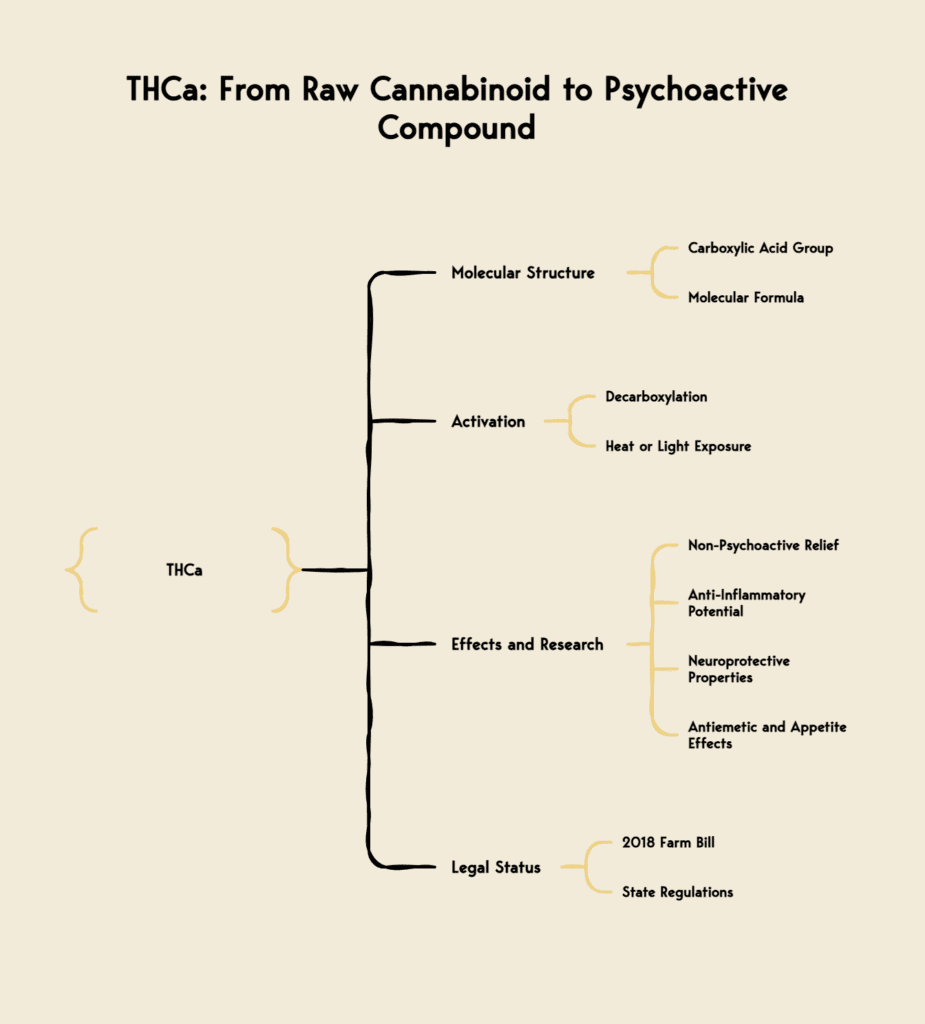
THCa is the raw, non-psychoactive precursor to Delta-9 THC, formed naturally in the trichomes of the cannabis plant. Its molecular formula, C₂₂H₃₀O₄, includes a carboxylic acid group (-COOH) that makes it chemically distinct from active THC. This extra group prevents THCa from binding effectively to CB1 receptors in the brain, which is why it doesn’t produce intoxicating effects in its natural form.
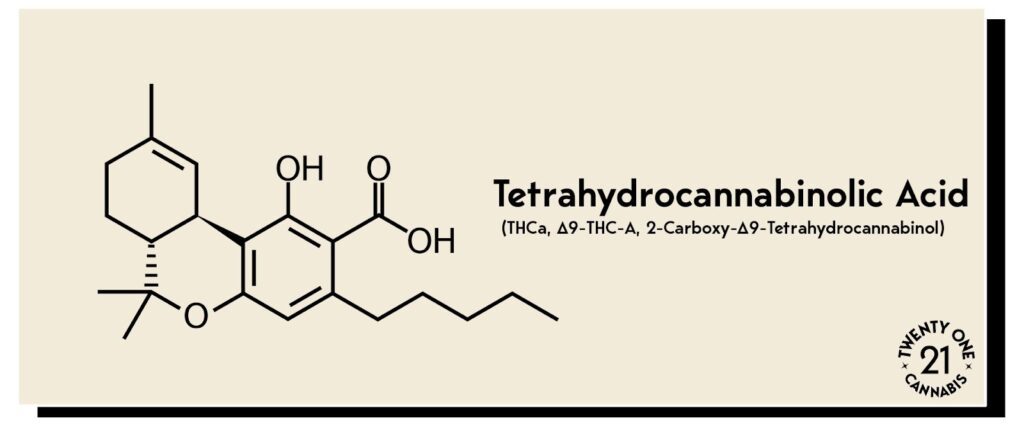
Activation occurs through a process called decarboxylation, where heat or prolonged exposure to light removes the acid group as carbon dioxide (CO₂).
Once that bond breaks, THCa converts into Delta-9 THC, the compound responsible for cannabis’s euphoric and psychoactive properties. This transformation happens instantly during smoking or vaping and gradually in aged flower. Essentially, THCa is THC waiting to be activated, carrying therapeutic potential on its own but unlocking full psychoactivity only through heat.
Before heat transforms it into THC, THCa shows promising therapeutic potential of its own. Studies suggest it may influence multiple biological systems without producing psychoactive effects.
As of January 2025, THCa is federally legal under the 2018 Farm Bill when derived from hemp containing less than 0.3% Delta-9 THC by dry weight.
Because THCa itself is non-psychoactive and only converts to THC when heated by the consumer, it falls within federal hemp regulations. However, several states have moved to restrict or ban THCa products by implementing “total THC” testing that includes THCa in calculations, or by explicitly regulating intoxicating hemp-derived cannabinoids.
CBD (cannabidiol) is a non-psychoactive cannabinoid found in both hemp and cannabis plants that delivers therapeutic benefits without producing intoxicating effects under any circumstances.
Unlike THCa, CBD does not require heat activation and maintains its non-psychoactive properties regardless of temperature or consumption method.
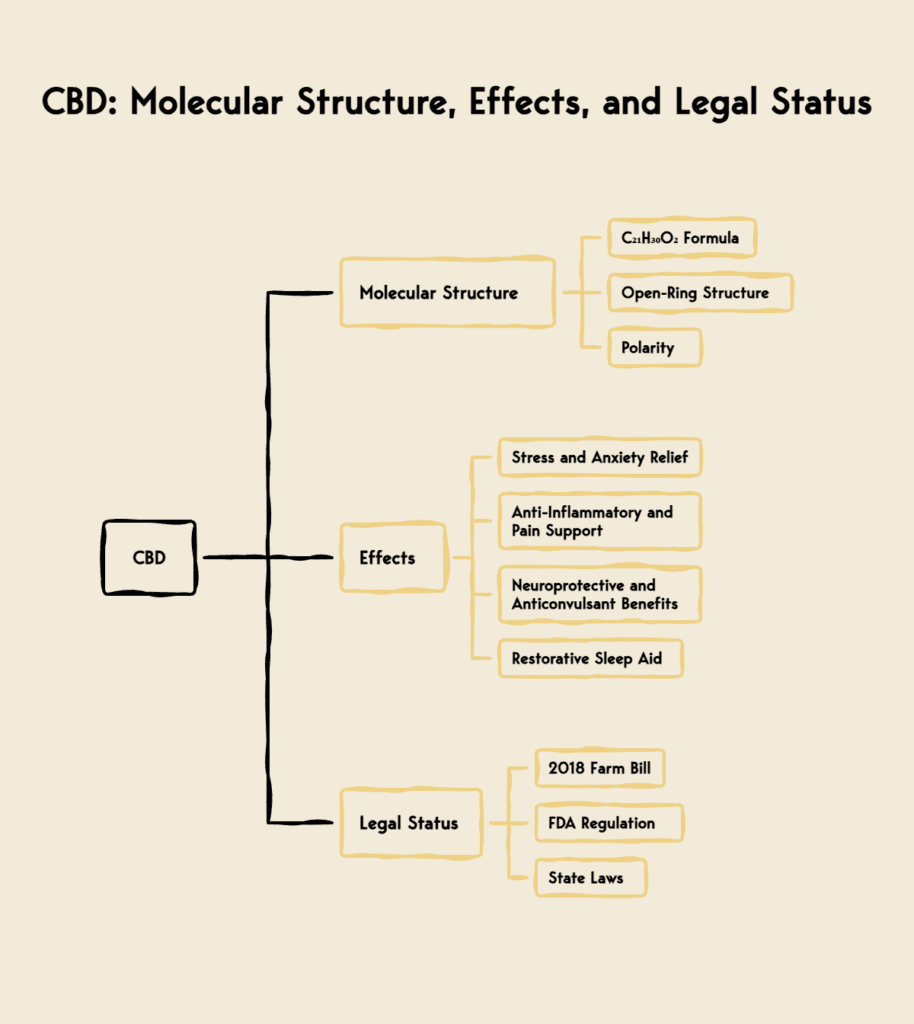
CBD shares the same molecular formula as THC, C₂₁H₃₀O₂, but differs in the way its atoms are arranged. That subtle structural difference makes all the impact: instead of binding directly to CB1 receptors like THC, CBD influences them indirectly, modulating the endocannabinoid system without causing intoxication.
Its open-ring structure and polarity contribute to this non-psychoactive behavior, allowing it to interact with multiple receptor pathways simultaneously.
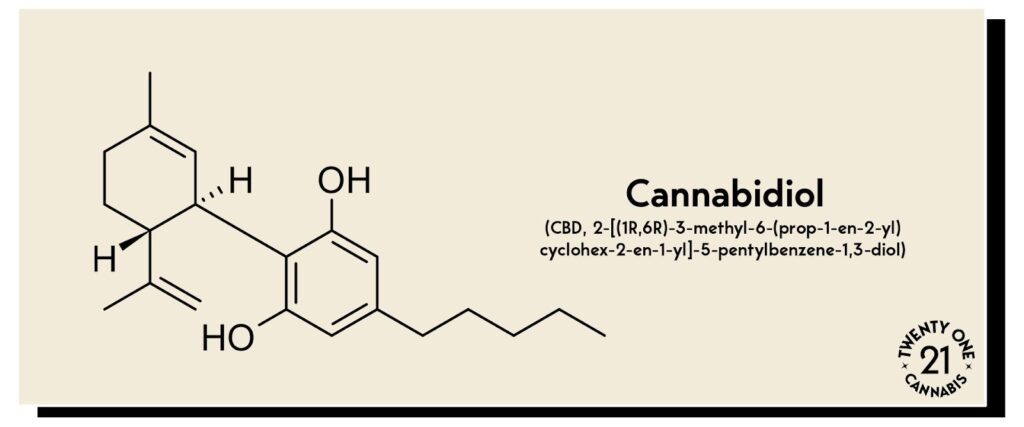
Unlike THCa, CBD doesn’t require activation through heat to become effective. It exists in its active state from the start, meaning tinctures, edibles, and vapes all deliver immediate therapeutic potential. CBD engages with 5-HT1A serotonin receptors, TRPV1 channels, and PPARγ nuclear receptors, which may explain its wide range of reported effects—from anxiety reduction and inflammation relief to neuroprotection.
Its chemical stability also makes CBD more consistent in formulations, providing dependable, clear-headed relief without the volatility of THC conversion.
If THCa represents potential waiting to be activated, CBD is the balanced alternative that is active from the start and widely studied for its ability to calm, restore, and regulate body systems naturally.
CBD derived from hemp (containing <0.3% Delta-9 THC) is federally legal throughout the United States under the 2018 Farm Bill. CBD enjoys broader legal acceptance than THCa, with most states permitting hemp-derived CBD products without restriction.
The FDA regulates CBD in dietary supplements and has approved it as a pharmaceutical for specific medical conditions, though enforcement of marketing claims remains active.
THCa and CBD have similar characteristics on paper, but there are differences that come into play when consumers are selecting one of them to add to cart.
THCa is non-psychoactive in raw form but becomes highly psychoactive after heat conversion to THC, delivering effects equivalent to traditional cannabis. This dual nature allows users to choose between therapeutic non-intoxicating benefits (raw consumption) or recreational psychoactive experiences (heated consumption).
CBD is non-psychoactive under all circumstances, maintaining consistent effects regardless of temperature or preparation method. Users never experience intoxication from CBD, even at high doses, making it suitable for daytime use without impairment concerns.
THCa’s therapeutic effects stem primarily from PPARγ pathway activation, as demonstrated in research on collagen-induced arthritis models. THCa also modulates CB1 receptors through both orthosteric and allosteric binding sites, though without producing psychoactive effects until decarboxylation occurs.
CBD exerts effects through multiple pathways, including serotonin receptor influence, TRPV1 receptor activation, adenosine uptake inhibition, and indirect modulation of CB2 receptors. This multi-target approach creates broad therapeutic potential without directly engaging CB1 receptors responsible for intoxication.
Systematic reviews of minor phytocannabinoids identified THCa as showing promise in models of Huntington’s disease, with studies using 20 mg/kg doses demonstrating efficacy. Research suggests potential applications for inflammatory conditions, neuroprotective support, and nausea management, though most evidence remains preclinical.
CBD benefits are well-documented through clinical trials, particularly for epilepsy management, anxiety disorders, and chronic discomfort. CBD also shows potential for supporting cardiovascular health, improving sleep quality, and managing skin conditions through topical application.
Raw THCa exhibits limited bioavailability when consumed orally, with most absorption occurring through sublingual or topical routes. When heated and converted to THC, bioavailability increases significantly through inhalation (10-35%) or oral consumption with fats (4-12%).
CBD bioavailability varies by consumption method. Inhalation (15-40%), sublingual administration (12-35%), or oral ingestion (6-15%). Effects typically begin within 15-45 minutes, depending on the method, and last 2-6 hours for most users.
| Attribute | THCa | CBD |
| Psychoactivity | Non-psychoactive until heated (converts to THC) | Non-psychoactive in all forms |
| Activation Requirement | Requires heat (~220–250°F) to activate | Active in raw and processed forms |
| Primary Mechanism | Engages PPARγ pathways; limited CB1 interaction | Modulates serotonin (5-HT1A), TRPV1, and adenosine receptors |
| Key Benefits | Anti-inflammatory, neuroprotective, potential pain relief | Anxiety reduction, anti-inflammatory, seizure and stress relief |
| Duration (Inhaled) | 2–4 hours after activation | 2–6 hours depending on dose and form |
| Legal Status (U.S.) | Federally legal under 2018 Farm Bill (<0.3% Δ9-THC); some state limits apply | Federally legal when hemp-derived; widely accepted across states |
Twenty One Cannabis offers pharmacist-formulated THCa products featuring third-party lab testing and transparent cannabinoid profiles for informed wellness choices.
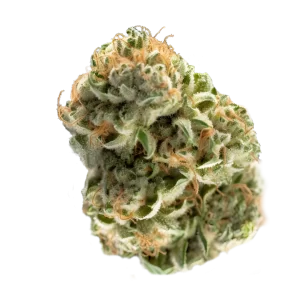
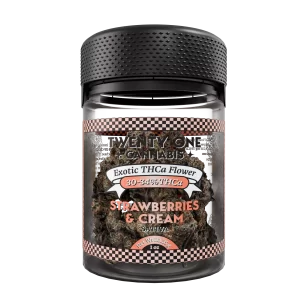
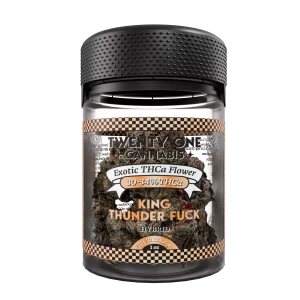
Sugar Cookie THCa Flower delivers 24-28% THCa in a hybrid-indica profile with sweet, dessert-like flavors and balanced effects. This strain works well for evening relaxation when heated or raw consumption for non-intoxicating anti-inflammatory benefits.
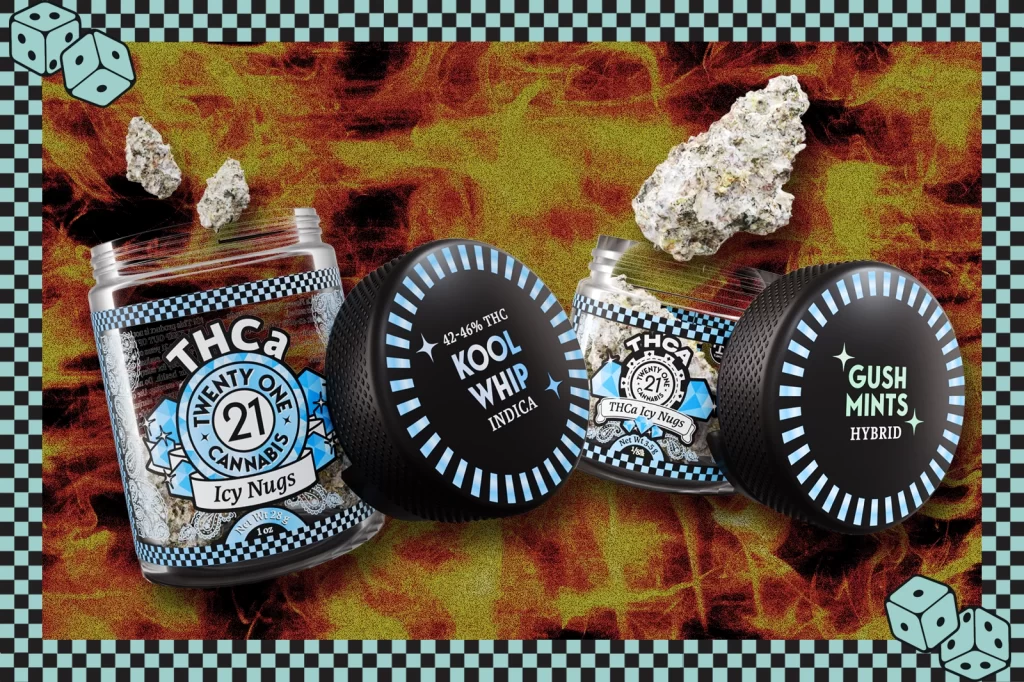
For diamond-coated potency, Gush Mints Icy Nugs feature premium flower coated with crystalline THCa for enhanced concentration and visual appeal. Available in 3.5g format, this hybrid provides uplifting yet calming effects.
Kool Whip Icy Nugs offer indica-dominant effects in 1oz jars, coated with potent THCa diamonds for users seeking heavy body relaxation and deep stress relief.
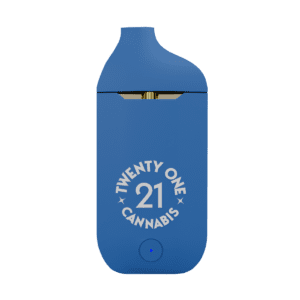
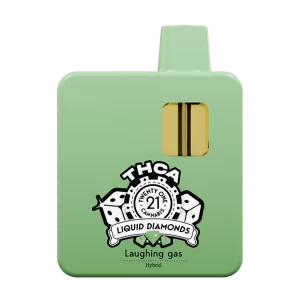
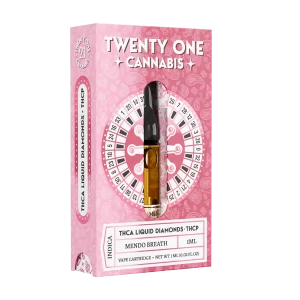
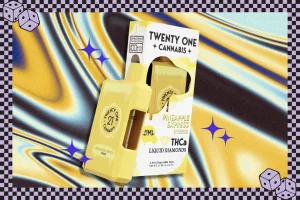
Legend OG 2ml THCa Vape Cartridge features liquid diamonds with 90%+ THC potency when activated, delivering classic OG flavors with pine, lemon, and earthy notes. Third-party testing by KCA Laboratories confirms 135.4mg THCa content and zero contaminants.
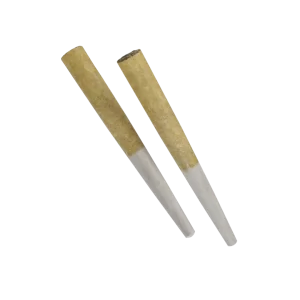
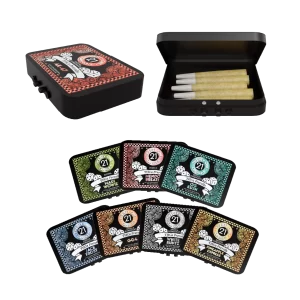
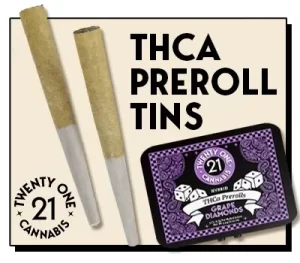
For convenience, TKO THCa Prerolls and OG Kush THCa Prerolls provide ready-to-smoke options with no preparation required. Tropicana Muffinz Icy Cones add a diamond coating for elevated potency in a citrus-forward hybrid.
The Baklava Stick Strawberry Cheesecake turns indulgence into balance. With layers of flaky baklava wrapped around a creamy cheesecake and strawberry filling, it delivers both flavor and function. Each stick contains 20mg of Delta-9 THC and 20mg of CBD, offering a smooth, well-rounded experience that relaxes the body while gently lifting the mood. The dual-cannabinoid formula creates a steady, manageable high, perfect for easing into the evening or enjoying a quiet, creative moment.
If you prefer your calm in liquid form, the Seltzer Beverage Blue Raspberry captures that same balance with a nostalgic twist. This lightly carbonated hemp drink pairs the sweet-tart flavor of blue raspberry candy with a 10mg:10mg Delta-9-to-CBD ratio, producing a mellow, social buzz that’s clear-headed and uplifting. It’s the perfect refreshment for relaxing afternoons, creative sessions, or a substitute for traditional alcoholic beverages when you want something lighter yet still satisfying.
The difference between an average cannabis experience and a great one often comes down to the details. The purity of the extract, the precision of the formulation, and the care that goes into every step are all dealbreakers.
That’s where Twenty One Cannabis stands apart. We don’t rush production or cut corners. We obsess over things most people never see: the clarity of the concentrate, the balance of terpenes, the way a hit feels on the exhale.
Every product starts with clean, U.S.-grown hemp and is refined in state-of-the-art, GMP-compliant facilities to preserve everything that makes cannabis worth enjoying. The result is consistency you can taste, potency you can feel, and trust that’s earned with transparency, not marketing.
So whether you’re chasing clarity, calm, or creativity, Twenty One Cannabis is where every session feels like it was made just for you. Shop our range of products today.
Once THCa converts to THC through heating and enters your system, it produces the same metabolites that standard drug tests detect. If you consume THCa flower by smoking or vaping, expect positive results on THC drug screenings. Raw THCa consumption without heating may not trigger positive tests, though this depends on test sensitivity and whether any decarboxylation occurred.
CBD products should not trigger positive THC drug tests when derived from pure isolate. However, full-spectrum CBD products contain trace amounts of THC (<0.3%) that could accumulate with regular high-dose use and potentially cause positive results on sensitive tests.
Combining THCa and CBD is safe and potentially beneficial through the entourage effect. Many users consume CBD for baseline wellness support while using raw THCa for anti-inflammatory benefits, or combine CBD with heated THCa to balance psychoactive intensity. CBD may modulate THC’s effects by reducing anxiety or overstimulation in some users.
Twenty One’s THCa products naturally contain minor cannabinoids including small amounts of CBD, creating full-spectrum profiles that preserve the natural cannabinoid ratios found in cannabis.
Preclinical research suggests THCa may offer more potent anti-inflammatory effects than CBD through PPARγ pathway activation, with studies demonstrating efficacy in arthritis models. However, CBD has more extensive human clinical research supporting anti-inflammatory applications. Individual responses vary, and both cannabinoids work through different mechanisms that may complement each other.
CBD shows more consistent anxiety relief across research and user reports, with established mechanisms through serotonin 5-HT1A receptor modulation. Raw THCa lacks extensive anxiety-specific research, though some users report calming effects. Heated THCa (converted to THC) can increase anxiety in susceptible individuals, making it less reliable for anxiety management than CBD.
For anxiety concerns, start with CBD and consult healthcare providers before using cannabinoids as primary anxiety treatments. Explore our THCa vs THCv comparison for more cannabinoid options.
Beginners can safely use raw THCa without intoxication concerns, though effects may be subtle without heating. When consuming heated THCa products, treat them exactly like traditional high-THC cannabis—start with 1-2 small puffs, wait 15 minutes, and assess tolerance before continuing.
For users new to psychoactive cannabinoids, CBD provides a risk-free introduction to cannabis wellness benefits without any potential for uncomfortable experiences. Learn more in our guide on whether THCa gets you high.
Raw THCa effects typically last 2-4 hours when consumed orally or sublingually. Once converted to THC through heating, duration matches standard cannabis (2-4 hours inhaled, 4-8 hours for edibles).
CBD effects generally last 2-6 hours depending on consumption method and dose, with sublingual administration providing 2-4 hours and edibles extending to 4-6 hours or longer at higher doses.


Doctor of Pharmacy, Pharmaceutical Sciences University of Colorado
Co-Founder & CEO at Arvida Labs
You must be over 21 to enter.
GET NOTIFIED ABOUT ONLINE SALES AT 21 CANNABIS!