

FOR HIGH ROLLERS
 Fabian Raemy
Quick Answer: THCa flower and vapes both convert non-psychoactive THCa into THC through heat, delivering similar cannabis experiences through different methods. Flower offers fuller-spectrum effects, richer flavor from preserved terpenes, and better value at $5-12 per session, ideal for traditionalists. Vapes provide 2-3x higher cannabinoid concentration (70-90% vs 20-30%), superior portability, and cost just $0.53-1 per session despite higher upfront prices. Choose flower for authentic, well-rounded experiences at home; choose vapes for discreet, convenient consumption on-the-go with precise dosing control.
The THCa market offers two main consumption paths that couldn’t be more different in execution yet deliver remarkably similar end results. One requires grinding, rolling, and flame. The other fits in your pocket and activates with a breath.
Both convert non-psychoactive THCa into active THC through heat. Both provide federally compliant access to authentic cannabis effects. Yet choosing between THCa flower and vapes involves weighing potency against flavor, cost against convenience, and ritual against efficiency.
This guide talks about the molecular mechanics, real-world performance, and practical considerations that separate these formats. If you’re in the market for premium THCa products, here’s everything you need to know before you make your purchase.
THCa flower is raw, unheated cannabis that contains tetrahydrocannabinolic acid: the non-intoxicating precursor to THC. When cannabis grows, it doesn’t actually produce THC directly. The plant creates THCa, which only converts to psychoactive THC through decarboxylation, a chemical reaction triggered by heat. This means if you ate raw THCa flower (which is an extremely unpleasant experience), you wouldn’t get high. The compound only transforms when you smoke, vaporize, or cook it.
This matters because THCa exists in a legal gray area. Since it’s technically not THC until heated, some producers sell high-THCa hemp flower that’s federally compliant in its raw state but becomes potent once consumed.
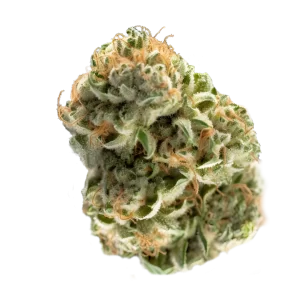
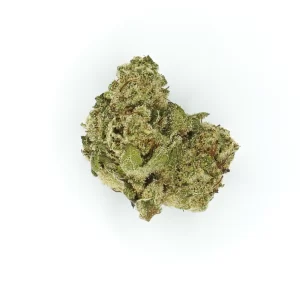
The flower looks, smells, and, after heating, feels identical to traditional cannabis because it essentially is cannabis, just measured before the chemical conversion happens. Think of it like raw cookie dough versus baked cookies: same ingredients, but heat fundamentally changes what you’re dealing with. This chemical technicality has created an entire market of “legal” cannabis products that weren’t possible before.
THCa vapes are cartridges or disposable devices containing concentrated THCa extract that vaporize when heated. The crucial insight here is that despite the “THCa” label, you’re absolutely getting high from these products. The heating element in the vape instantly decarboxylates the THCa into active THC the moment you inhale, so the end experience is indistinguishable from regular THC vapes.
The “THCa” designation is primarily about legal compliance and sourcing. These products start as hemp-derived THCa concentrates, technically legal under federal law before heating, but deliver the same psychoactive effects as dispensary THC vapes once activated. The extraction process creates a highly concentrated form, often 70-90% cannabinoids, making these products significantly stronger than flower.
What consumers should understand is that there’s no such thing as experiencing “raw THCa” effects from a vape. The technology requires heat, which means immediate conversion to THC. The naming convention reflects the source material and legal framework rather than what’s actually entering your lungs.
Raw cannabinoid content tells only part of the potency story. Delivery method, bioavailability, and compound synergy all influence actual effects.
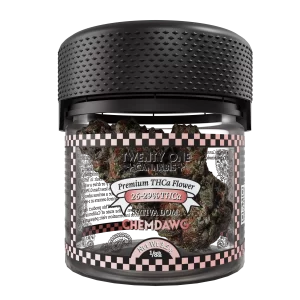
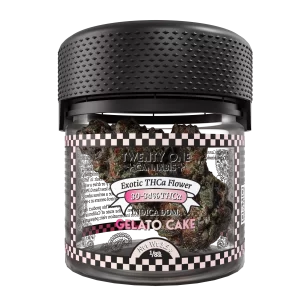
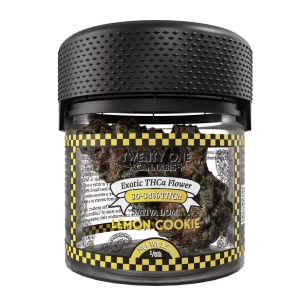
Premium THCa flower tests between 20-30% total cannabinoids. For example, our Gelato Cake measures 23% THCa, while the Blue Cheese hits 25% THCa. Top-shelf strains occasionally reach 28-30% with optimal growing conditions.
When smoked, roughly 87.7% of THCa converts to active THC. A joint containing 0.5g of 25% THCa flower delivers approximately 109mg converted THC. Combustion efficiency ranges 20-40%, meaning users absorb 22-44mg per session.
The full terpene preservation in flower creates entourage effects that can intensify or modulate the high. For instance, myrcene creates a sedative effect, limonene boosts mood, and pinene supports alertness. These interactions make flower effects feel more complex despite lower raw potency.
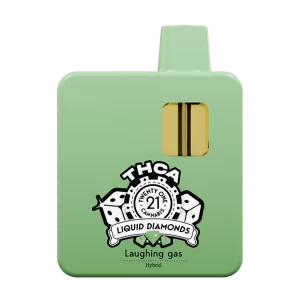
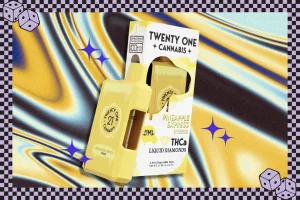
Concentrate-filled vapes contain 60-70% total cannabinoids in refined form. Twenty One’s Tropicana Muffinz 2ML Disposable includes 1470mg Delta-8, 135mg THCa, 92mg HHC, and 85mg THCp across 2ml volume.
A standard 3-second draw vaporizes approximately 5-10mg of distillate. With 60% cannabinoid concentration, each hit delivers 3-6mg absorbed compounds. Vaporization efficiency reaches 60-80%, significantly higher than combustion.
The concentrated format means fewer puffs produce equivalent effects to multiple flower hits. Users typically need 2-4 draws from a quality vape to achieve comparable intensity compared to a full joint.
However, vapes using single-cannabinoid distillate may feel “flatter” than flower despite higher potency. Twenty One addresses this through multi-cannabinoid blends and botanical terpenes that approximate full-spectrum profiles.
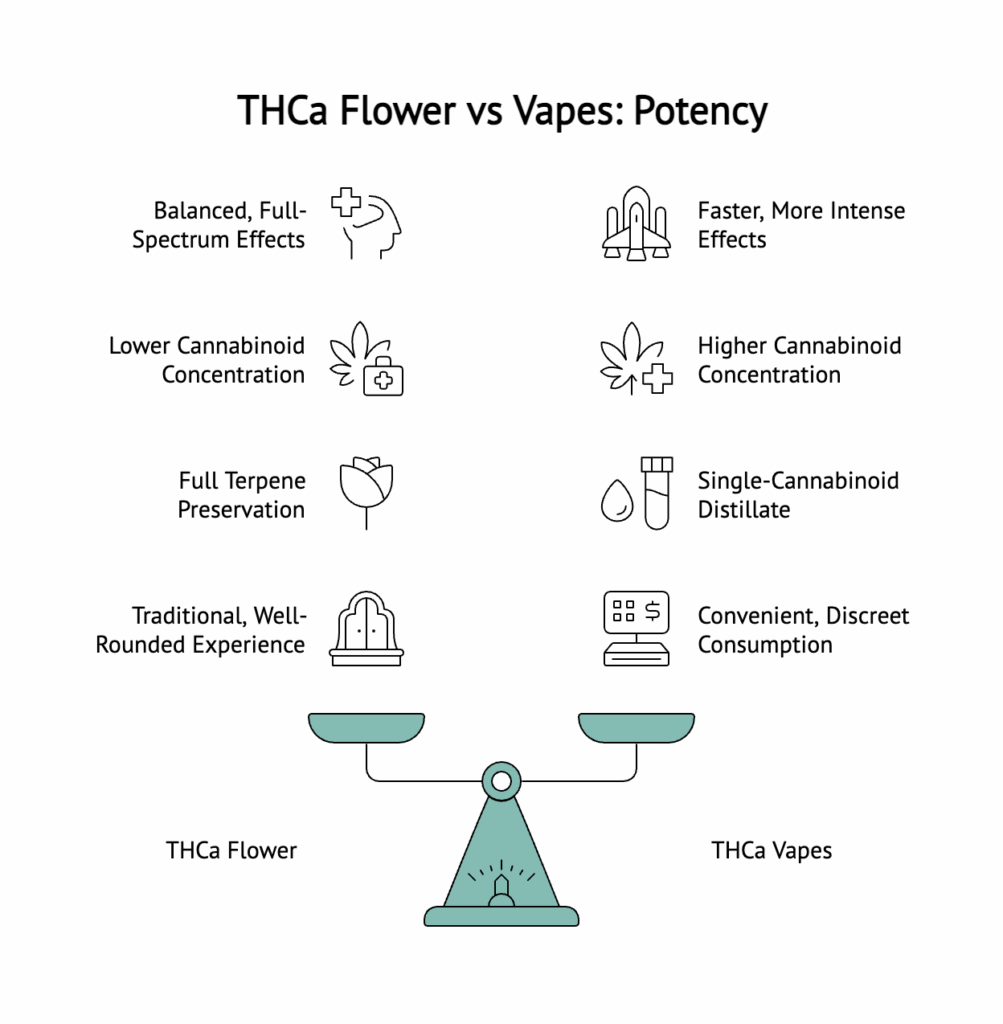
Unlike some of the other factors we’ll compare here, it’s not straightforward. THCa vapes deliver faster, more intense effects due to high concentration, which is ideal if you want immediate, potent relief or discreet consumption.
However, THCa flower offers a more balanced, full-spectrum experience thanks to terpene preservation and the entourage effect, which many users find smoother and more nuanced. Choose vapes for convenience and potency, flower for a traditional, well-rounded cannabis experience with richer flavor profiles.
Chemical composition determines onset speed, duration, and experiential quality. THCa format influences all three variables.
Smoking flower produces effects within 5-15 minutes as cannabinoids enter the bloodstream through the lung tissue. The high builds gradually over 15-30 minutes before plateauing. Peak effects last 1.5-3 hours with gentle tapering.
The full-spectrum nature creates layered experiences. Cerebral euphoria may accompany body relaxation. Creative stimulation can coexist with physical calm. Users often describe flower highs as “rounded” or “well-balanced.”
Terpene-rich smoke delivers a more detailed flavor profiles. Sour Diesel’s limonene-forward aroma provides energizing citrus notes. Blue Cheese’s myrcene dominance produces earthy, sedative effects. Each strain’s unique terpene ratio shapes the subjective experience.
Combustion produces a more intense throat and lung sensation. Some users enjoy this “classic cannabis” feeling. Others find it harsh compared to vapor’s smoothness.
Vaping provides slightly faster effects due to differences in particle size. Vaporized cannabinoids create finer aerosol particles that absorb marginally more efficiently through lung tissue than smoke particles. Users feel initial effects within 2-5 minutes compared to flower’s 5-15 minutes. The high reaches full intensity faster, typically within 10-15 minutes versus the flower’s 15-30 minute build.
This speed difference, while real, is incremental rather than dramatic. Both inhalation methods are efficient; vaping may be 10-20% more effective at cannabinoid delivery, not a transformative leap. The practical difference is shaving off a few minutes, not fundamentally changing the experience.
Duration runs slightly shorter at 1-2 hours for distillate-based products. Live resin or liquid diamond vapes may extend to 2-3 hours due to fuller cannabinoid spectrums.
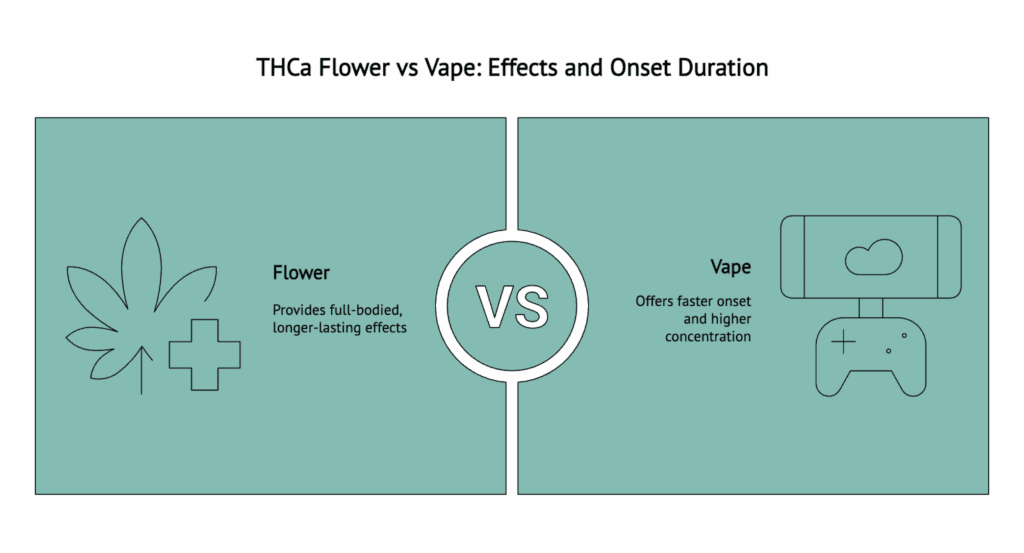
Vapes deliver marginally faster onset (5-10 minutes quicker) and higher concentration per hit (70-90% cannabinoids vs. flower’s 15-30%). However, flower often feels fuller-bodied and longer-lasting due to complete terpene profiles. Typical consumption patterns matter: a full joint frequently provides more sustained effects (1.5-3 hours) than several vape hits (1-2 hours for distillates). “Harder” depends on whether you prioritize concentrated potency or well-rounded duration.
Terpenes determine aroma, taste, and contribute significantly to effects. Processing methods affect terpene retention differently, and as a result, the same flower can have completely different effects and flavors due to different terpene profiles.
Fresh cannabis flower contains 1-3% terpenes by weight. These volatile compounds survive curing when properly handled. Breaking open Gelato Cake flower releases vanilla, frosting, and earthy notes from preserved terpene oils.
Combustion temperatures (1500-2000°F) partially degrade terpenes. Some burn away completely. Others transform into new aromatic compounds. The result is that familiar cannabis smoke flavor, complex yet slightly harsh from oxidized terpenes and plant material.
Low-temperature vaporization (350-400°F) preserves more terpenes from the flower. Dry herb vaporizers provide cleaner terpene expression than smoking while maintaining full-spectrum profiles.
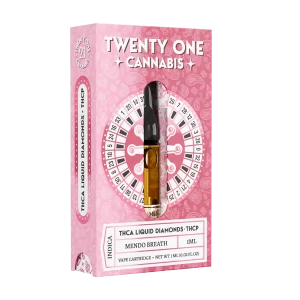
Extraction removes original terpenes, which processors then reintroduce to improve the vaping experience for their consumers. Some brands use cannabis-derived terpenes from the source strain. Others employ botanical terpenes mimicking strain profiles. Twenty One’s liquid diamond vapes preserve terpene ratios during extraction for authentic flavor.
Vaporization temperatures (400-500°F) sit in the sweet spot for terpene expression without degradation. Users taste cleaner, more pronounced flavors compared to combustion. For instance, the AK-47 3ML Disposable delivers earthy pine with sweet citrus undertones, which is the strain’s signature profile in concentrated form.
Quality varies dramatically between vape brands. Cheap distillates with generic terpenes taste artificial. Premium liquid diamond extracts rival the flavor complexity of a flower.
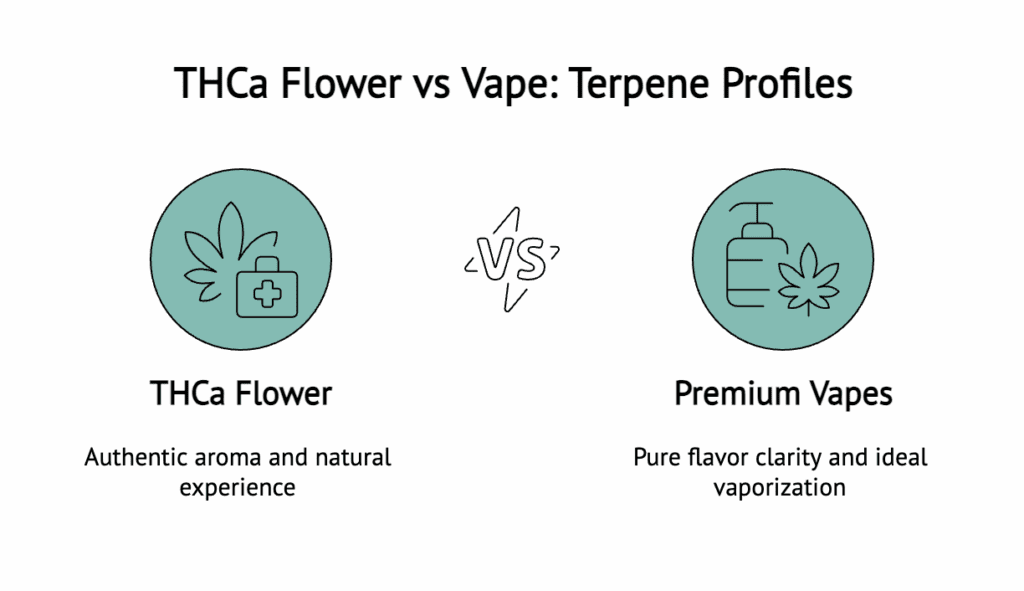
Flower delivers a more authentic aroma due to its natural 1-3% terpene content, though combustion partially degrades these compounds into harsher smoke flavors. Premium vapes using cannabis-derived terpenes and liquid diamond extracts can rival flower’s complexity with a cleaner, more pronounced taste thanks to ideal vaporization temperatures (400-500°F).
However, many budget vapes use botanical terpenes that taste artificial and one-dimensional. The final verdict here is that THCa flower wins for authentic smell and natural experience; high-quality vapes win for pure flavor clarity. Cheap vapes lose to both.
Lifestyle factors often outweigh raw performance metrics when choosing consumption methods. While you can expect similar performance from both these products, they are polar opposites for users with contrasting lifestyles.
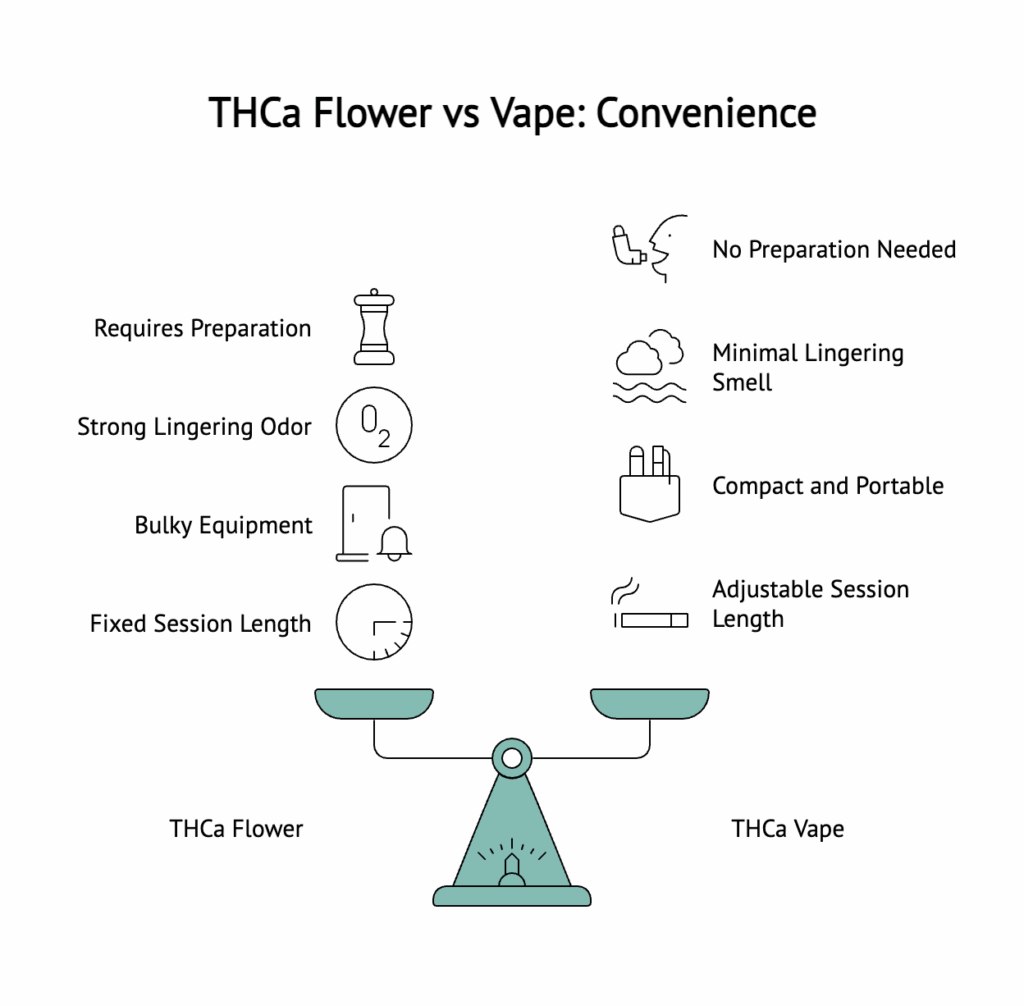
Smoking flower requires preparation. Users must grind buds, load pipes, or roll joints. The ritual appeals to some enthusiasts but adds friction for others.
Smoke produces a strong, lingering odor. Neighbors and passersby easily identify cannabis aroma. Clothing and hands absorb the scent. This limits where users can comfortably smoke.
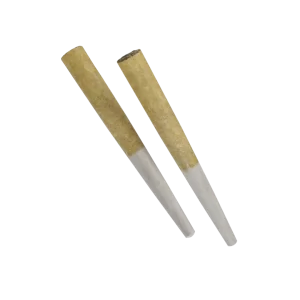
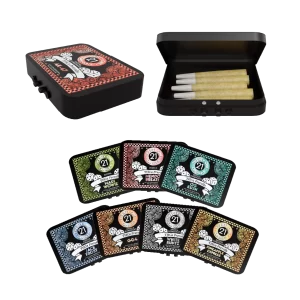
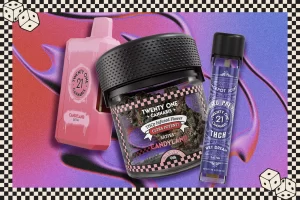
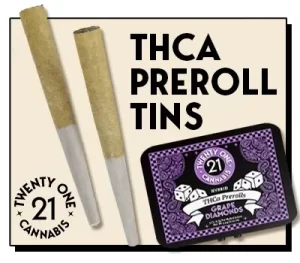
Equipment needs include grinders, papers, lighters, or pipes. Transporting these items increases bulk and reduces portability. Pre-rolls like Twenty One’s Icy Cones partially solve this but still produce detectable smoke.
Sessions take 10-20 minutes to complete. Users cannot easily pause mid-joint without wasting part of their investment. The format demands dedicated time and location.
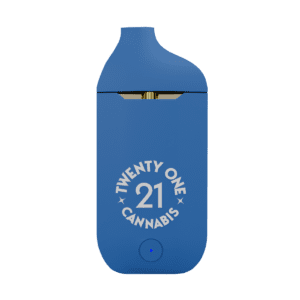
Disposable vapes fit in pockets and no preparation is required. Just remove from the packaging and inhale. The Black Lime 2ML Disposable measures roughly 4 inches long and weighs under an ounce.
Vapor dissipates quickly with minimal lingering smell. Discrete usage becomes possible in semi-public spaces. The vapor lacks a flower’s distinctive cannabis aroma signature.
Other than that, sessions last exactly as long as desired. Users can take one hit or ten with zero waste between uses. Effects activate within minutes, allowing users to adjust dosing on the fly.
This one is a clear-cut answer. Vapes dominate for portability and ease of use. Flower remains king for enthusiasts valuing ritual, customization, and traditional cannabis culture, but it can never offer the discretion of a high-quality THCa vape.
Raw product prices are misleading without session-based calculations. Potency and efficiency determine actual cost-effectiveness, and while there is no clear winner in this category, there is a lot consumers need to know.
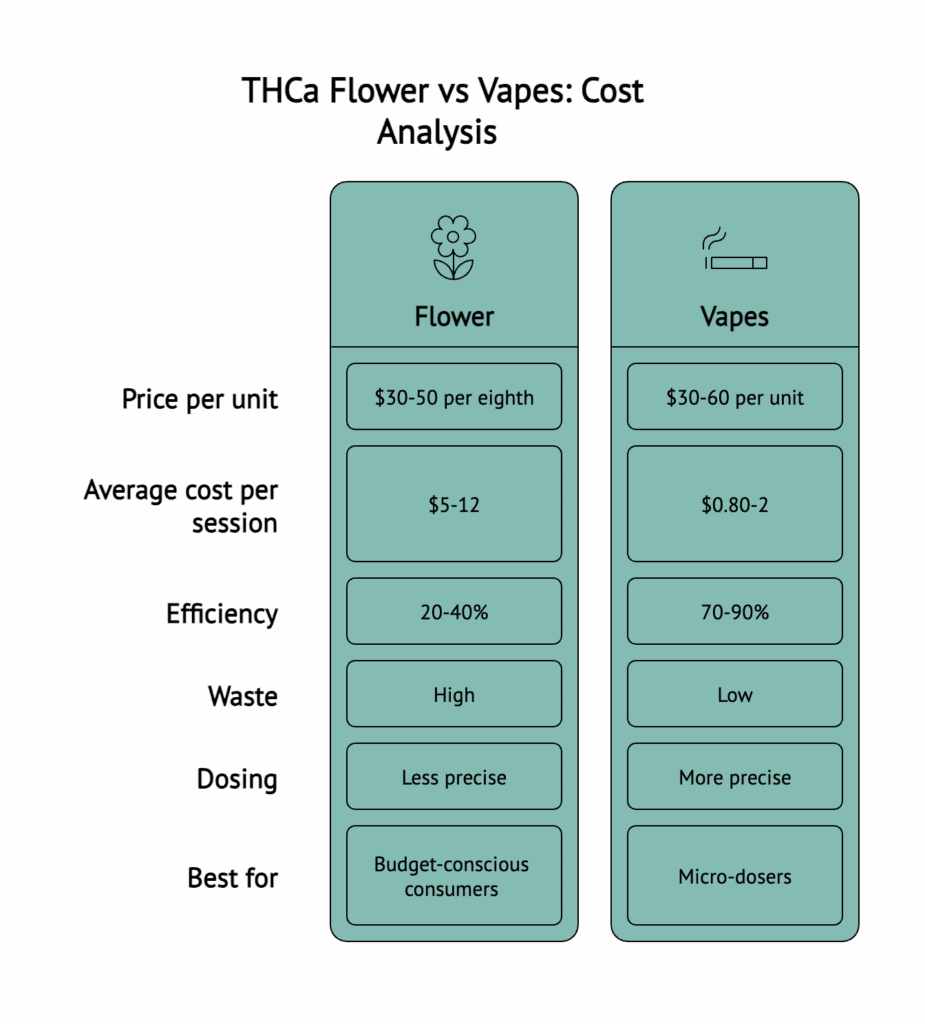
Premium THCa flower typically costs $30-50 per eighth (3.5g), with mid-grade options running $25-35. Twenty One’s flower generally prices at $35-45 per 3.5g, depending on strain rarity, which puts it in the premium-to-mid range. To understand what this means per session, we need to break down actual consumption.
The average joint contains 0.5-1g of flower, so at $40 per eighth, each gram costs roughly $11.43. This means a half-gram joint runs about $5.71, while a full-gram joint costs $11.43.
However, combustion efficiency complicates the math here as users only absorb 20-40% of available cannabinoids and much burns away between puffs. Vaporizing flower improves efficiency to 40-60%, although this requires an upfront investment in a device.
For most experienced users, one full gram joint provides desired effects, translating to $10-12 per session. Newcomers may find a half-gram sufficient, effectively halving the cost. The inefficiency of combustion means you’re paying for cannabinoids you’ll never actually absorb.
Quality THCa vapes range from $30-60 per unit, depending on size and formulation. Twenty One’s 2ML disposables cost $35-45, while the 3ML versions run $45-55. Cartridges price similarly, though first-time buyers need to factor in battery costs as an additional expense.
Here’s where the economics get interesting: a 2ML device contains approximately 400 puffs, while a 3ML unit provides around 600. The average user needs just 5-10 puffs per session to achieve desired effects due to the concentrated potency.
Let’s run the numbers on the Watermelon OG 2ML at $40 with 600 puffs available and 8 puffs per session. This delivers 75 sessions at just $0.53 each. Even heavy users taking 15 puffs per session still get 40 sessions at $1.00 each.
The difference comes down to efficiency and concentration. Vapes waste virtually no cannabinoids between uses, and their 70-90% potency means you’re consuming far more active compounds per inhalation than flower provides. Despite higher sticker prices, the per-session cost often undercuts flower significantly.
Flower costs less per session for budget-conscious consumers: $5-12 vs. $0.80-2 for vapes. However, vapes eliminate waste, enabling precise dosing that can reduce overall consumption. For micro-dosers, vapes actually cost less long-term.
The choice between THCa flower and vapes isn’t about which is objectively better. It’s about matching the format to your lifestyle, priorities, and consumption preferences. Both deliver quality experiences, but they serve different needs and situations. Here’s how to determine which aligns with your specific circumstances.
Flower appeals to traditionalists and those who prioritize authenticity and value over convenience. Choose flowers if you:
Vapes cater to modern users who need cannabis to fit seamlessly into busy, on-the-go lifestyles. Choose vapes if you:
No matter which THCa product you prefer, flower or vape, the quality of what you’re consuming makes all the difference. Even the most flavorful strain or sleekest device won’t deliver if the product is poorly made. Low-quality THCa can lead to harsh hits, muted flavor, and inconsistent effects, turning what should be an enjoyable session into a disappointing one. That’s why it’s essential to choose trusted, lab-tested products that put purity and consistency first.
At Twenty One Cannabis, we take that responsibility seriously. All of our THCa products are made from U.S.-grown hemp, cultivated under clean, controlled conditions to ensure safety from pesticides, heavy metals, and contaminants.
Every batch is produced in GMP-compliant facilities and backed by third-party Certificates of Analysis (COAs) for full transparency on potency and purity. With years of experience and a dedication to cannabinoid innovation, our team curates products that deliver the smooth, flavorful, and reliable experience you expect from premium THCa.
Whether you’re a fan of flowers or vapes, quality always comes first. Browse our THCa flowers and vapes today and learn why discerning consumers trust Twenty One Cannabis.
Neither is objectively better; it depends on your priorities. Flower offers fuller spectrum effects, richer flavor, and better value per session. Vapes provide superior convenience, discretion, and concentrated potency. Choose flower for traditional experiences and cost savings, or vapes for portability and ease of use. Your lifestyle determines the winner.
Vapes are significantly more potent per hit, containing 70 to 90 percent cannabinoids versus flower’s 15 to 30 percent. However, typical consumption patterns matter: smoking a full joint often delivers more total cannabinoids than a few vape puffs. Vapes offer concentrated intensity; flower provides sustained, full-spectrum potency.
No, flower typically lasts longer. Flower effects persist 1.5 to 3 hours, while distillate vapes run 1 to 2 hours. Full-spectrum vapes with live resin or liquid diamonds may extend to 2 to 3 hours but rarely surpass flower’s duration. The complete cannabinoid and terpene profile in flower creates more sustained effects.
Yes, usually. Despite higher upfront costs, vapes deliver more sessions per dollar due to concentrated potency and zero waste. A $40 vape provides 40 to 75 sessions at $0.53 to $1.00 each, while flower costs $5 to $12 per session. Vapes’ superior efficiency makes them more economical for most users.
Vapes are generally better for beginners. They offer precise dosing through consistent puff delivery, making it easier to control intake and avoid overconsumption. No preparation or technique required, just inhale. Flower requires learning to roll, pack, or use devices properly, and dosing is less predictable for inexperienced users.


Doctor of Pharmacy, Pharmaceutical Sciences University of Colorado
Co-Founder & CEO at Arvida Labs
You must be over 21 to enter.
GET NOTIFIED ABOUT ONLINE SALES AT 21 CANNABIS!