

FOR HIGH ROLLERS
 Lindsey Goldstein
Quick Answer: THC and CBD vapes both offer rapid onset and high bioavailability, but their effects differ fundamentally. When vaped, both cannabinoids reach peak levels within 3–10 minutes with average bioavailability around 30%. THC directly binds to CB1 receptors, producing psychoactive effects like euphoria, altered perception, and impairment that typically last 2–4 hours.
CBD is non-intoxicating, works indirectly across multiple receptors, and is used for anxiety, inflammation, pain, and sleep support without cognitive impairment. In short, THC vapes prioritize noticeable effects, while CBD vapes focus on functional, wellness-oriented relief.
THC (delta-9-tetrahydrocannabinol) is the primary psychoactive cannabinoid in cannabis, responsible for the characteristic “high” associated with marijuana consumption.
As a lipophilic compound with the molecular formula C₂₁H₃₀O₂, THC contains 21 carbon atoms arranged in a structure that allows direct binding to CB1 receptors in the central nervous system.
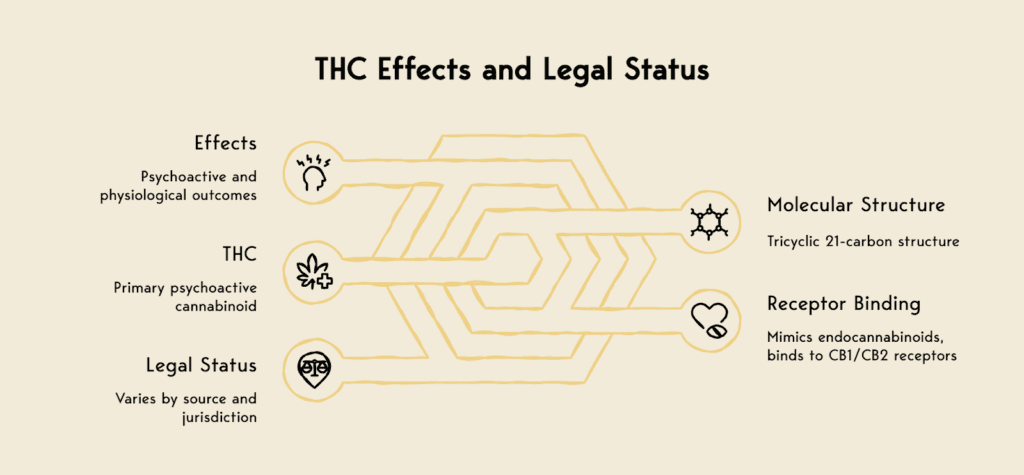
Delta-9 THC is the primary psychoactive compound in cannabis, characterized by its tricyclic 21-carbon structure (C₂₁H₃₀O₂) with a double bond at the ninth carbon on the cyclohexene ring. This specific placement sets it apart from other isomers like Delta-8 and Delta-10, directly influencing its potency and receptor activity.
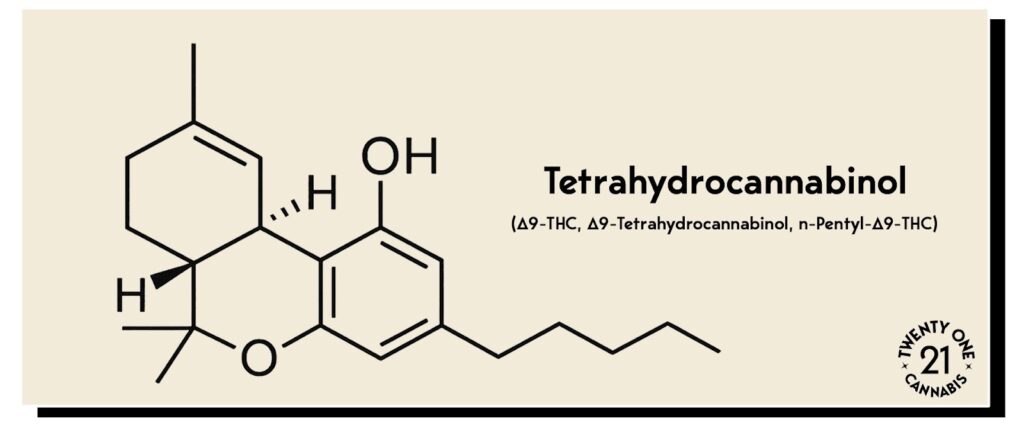
Δ9-THC’s molecular design allows it to mimic endocannabinoids such as anandamide, binding primarily to CB1 receptors in the brain and central nervous system. This interaction triggers the release of neurotransmitters like dopamine and serotonin, leading to the compound’s signature euphoria, altered perception, and relaxation effects.
It also binds to CB2 receptors in peripheral tissues, influencing pain modulation and immune response, though with lower affinity.
The molecule’s lipophilic nature enhances its ability to cross the blood-brain barrier, resulting in rapid onset and strong psychoactive impact, which are all key traits that define the Delta-9 THC experience.
THC produces a range of psychoactive and physiological effects:
The legal status of Delta-9 THC depends on its source and concentration. Under the 2018 Farm Bill, hemp-derived Delta-9 THC is federally legal in the U.S. if it remains below 0.3% THC by dry weight.
However, cannabis-derived Delta-9 THC remains a Schedule I controlled substance under federal law. Several states have legalized recreational or medical cannabis, allowing regulated Delta-9 products, while others maintain strict prohibitions.
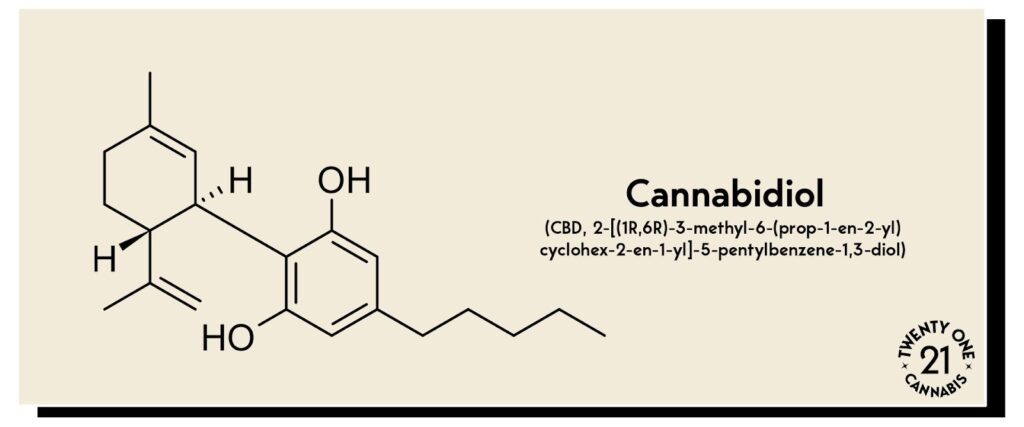
CBD (cannabidiol) is a non-intoxicating cannabinoid found in cannabis and hemp plants, sharing the same molecular formula as THC (C₂₁H₃₀O₂) but with atoms arranged differently. This structural variation prevents CBD from producing psychoactive effects while still interacting with the body’s endocannabinoid system.
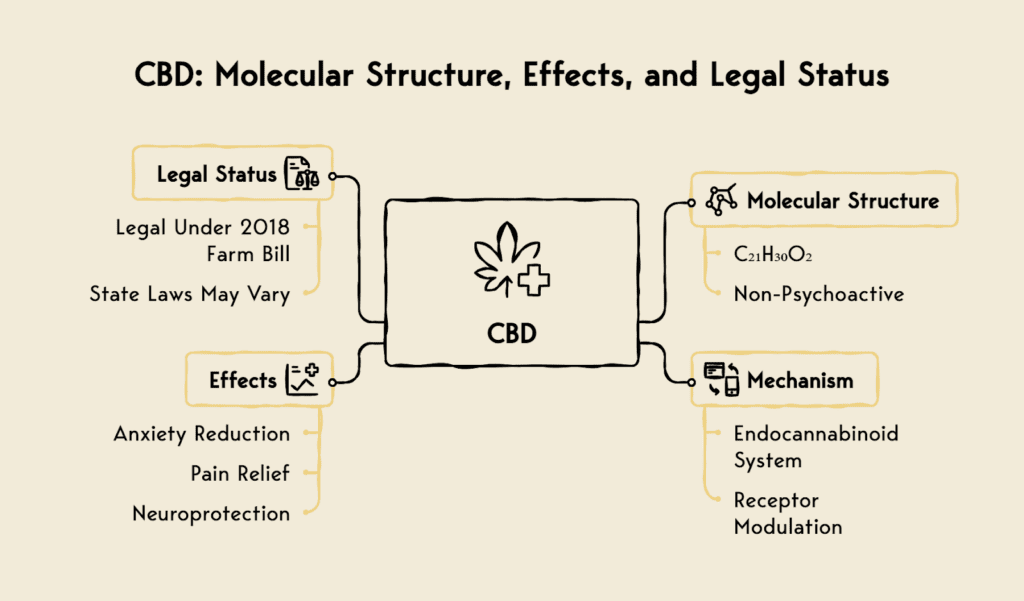
CBD is a non-intoxicating phytocannabinoid with the molecular formula C₂₁H₃₀O₂, sharing the same atoms as THC but arranged differently. Unlike Delta-9 THC, CBD lacks a closed ring structure at the ninth carbon, preventing it from strongly binding to CB1 receptors in the brain, which is why it doesn’t produce psychoactive effects.
Instead, CBD interacts indirectly with the endocannabinoid system, modulating receptor activity and influencing several non-cannabinoid targets such as 5-HT1A serotonin receptors, TRPV1 (vanilloid) receptors, and PPARγ nuclear receptors. These interactions contribute to its reported effects on mood, inflammation, and pain regulation.
CBD also inhibits FAAH (fatty acid amide hydrolase), the enzyme responsible for breaking down anandamide, effectively enhancing natural endocannabinoid signaling. This unique, multi-receptor mechanism allows CBD to exert broad therapeutic influence without intoxication, making it a versatile compound for wellness, stress regulation, and neuroprotection.
CBD produces non-intoxicating therapeutic effects through multiple receptor interactions:
CBD derived from hemp (<0.3% delta-9 THC) is federally legal in the United States under the 2018 Farm Bill. Unlike THC, CBD is not a controlled substance, allowing for broader legal distribution and use. However, state laws vary, and some jurisdictions restrict CBD vape products or public vaping.
While both cannabinoids can be vaped using similar devices, their effects, mechanisms, and applications diverge significantly.
THC vapes deliver the signature cannabis “high,” producing pronounced psychoactive effects such as euphoria, enhanced perception, increased appetite, and in some cases, mild anxiety or paranoia at higher doses or in sensitive users. These effects occur because THC directly binds to CB1 receptors in the brain, altering neurotransmitter activity and perception.
On the other hand, CBD vapes provide a completely non-intoxicating experience. Rather than activating cannabinoid receptors, CBD modulates them, offering relaxation, stress relief, and focus without impairment. Research published in Frontiers in Pharmacology confirms that CBD remains non-psychoactive even at high doses, making it ideal for users seeking calm without the high.
When vaped, both cannabinoids absorb efficiently into the bloodstream through the lungs, achieving much higher bioavailability than edibles or tinctures. THC vapes typically offer about 30% absorption efficiency compared to just 6% orally, with peak plasma concentrations reaching 152 ± 86.3 ng/mL within 3–10 minutes.
Similarly, CBD vapes achieve an average 31% bioavailability, providing comparable absorption despite interacting with the body through different mechanisms. Studies in Drug Metabolism and Disposition confirm that both cannabinoids deliver rapid onset and strong bioavailability when inhaled, though their physiological outcomes diverge dramatically.
THC vaporizes at around 314°F (157°C), allowing users to enjoy flavorful, terpene-rich vapor even at lower temperatures. These moderate settings preserve potency and deliver a smoother inhale without harshness.
In contrast, CBD requires slightly higher temperatures, between 320°F and 356°F (160–180°C), to fully activate and vaporize efficiently. Understanding this small temperature gap helps users fine-tune their devices for the best results. Many modern THCa and CBD disposables now feature adjustable voltage or preheat settings to accommodate both cannabinoid types seamlessly.
Once inhaled, THC is metabolized by liver enzymes (CYP2C9, CYP2C19, and CYP3A4) into 11-hydroxy-THC, a compound that contributes to its potent psychoactive effects. Inhaled THC converts about 20% into this metabolite, while oral forms convert nearly 100%, explaining why edibles feel stronger and last longer.
CBD follows a similar metabolic route through the P450 enzyme system but produces non-psychoactive metabolites. Its half-life of 18–32 hours supports prolonged therapeutic effects, making it suitable for consistent use without intoxication. This difference in metabolism is what makes CBD a reliable option for steady relief and wellness-focused routines.
THC vapes are often chosen by users seeking stronger, targeted relief from physical discomfort or stress. Because THC directly interacts with CB1 receptors in the brain and nervous system, it can be particularly effective for chronic pain management, nausea reduction, and appetite stimulation, especially in medical or post-treatment settings.
Many also find THC-dominant vapes helpful for insomnia, with indica strains promoting deep, restful sleep, while others turn to balanced or sativa vapes for PTSD symptom relief, recreation, and mood elevation.
On the other hand, CBD vapes cater to users who want relief without intoxication. Their ability to reduce anxiety, ease inflammation, and manage daytime discomfort makes them a versatile option for those who need functionality and mental clarity throughout the day. CBD’s calming influence can also help counteract THC-induced anxiety when both are used together, offering a more balanced and controlled experience.
| Attribute | THC Vapes | CBD Vapes |
| Psychoactive | Yes – euphoria, altered perception | No – zero intoxication |
| Bioavailability | 10-35% (avg 30%) | 11-45% (avg 31%) |
| Onset Time | 3-10 minutes to peak | 3-10 minutes to peak |
| Duration | 2-4 hours | 4-8 hours (longer half-life) |
| Vaporization Temp | ~314°F (157°C) | 320-356°F (160-180°C) |
| Effects | Euphoria, relaxation, creativity | Anxiety relief, anti-inflammatory |
| Impairment | Yes – affects driving/coordination | No impairment |
| Legal Status | Federally illegal (hemp THCa legal) | Federally legal from hemp |
| Drug Testing | Will trigger THC tests | Will NOT trigger THC tests* |
| Best Used For | Pain, sleep, appetite, recreation | Anxiety, inflammation, daytime |
If you’ve made up your mind on one of these cannabinoids and want product recommendations suitable for first-timers, here are some you should try out:
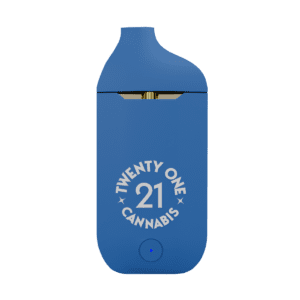
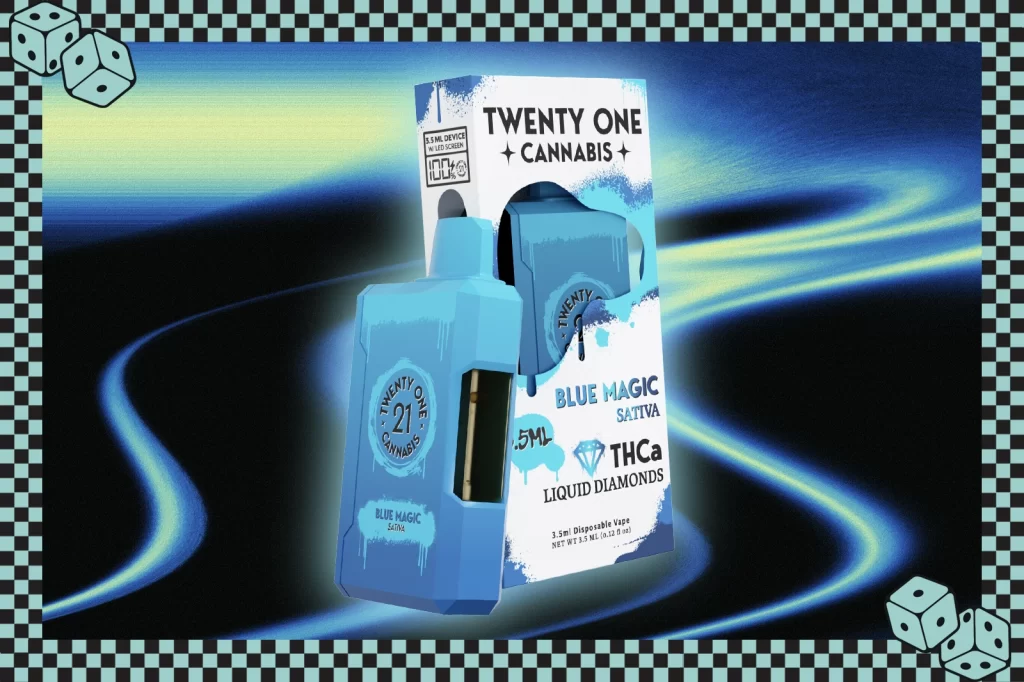
The Blue Magic THCa 3.5ml Liquid Diamonds Disposable Vape offers a euphoric, functional high that’s as smooth as it is energizing. This sativa-forward disposable delivers a clean, uplifting mental charge, ideal for creativity, focus, or social sessions. Expect a crisp, clear-headed buzz with a calming finish that doesn’t weigh you down. Each puff releases silky, terpene-rich vapor, capturing the refined potency that only liquid diamond extraction can deliver.
Transitioning from sharp mental focus to balanced bliss, the Fire OG THCa 3.5ml Liquid Diamonds Disposable Vape ignites the senses with a rush of creative euphoria before settling into full-body relaxation. This hybrid bridges stimulation and calm, making it perfect for users who want clarity first and tranquility after. Fire OG’s signature earthy-pine profile and heavy-hitting potency make it a fan favorite for seasoned consumers who value depth and balance in every draw.
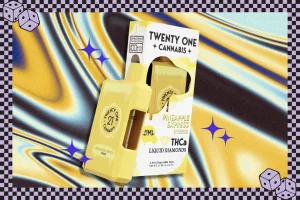
Capping things off with a classic, the Pineapple Express THCa 3.5ml Liquid Diamonds Disposable Vape captures everything people love about this legendary hybrid—bright energy, tropical sweetness, and sustained creative euphoria. It’s the ideal middle ground between the daytime clarity of Blue Magic and the soothing finish of Fire OG. Each inhale bursts with pineapple and citrus zest, fueling your motivation while maintaining that signature liquid diamonds smoothness.
The Happy Blend 1ml CBD Disposable Vape (Cotton Candy) is crafted for those moments when you just need a lift without the buzz. Combining CBD, CBG, H4CBD, and CBN, this expertly formulated vape promotes lighthearted calm and sustained positivity. Its cotton candy flavor adds a playful sweetness, making each draw smooth, nostalgic, and uplifting. Designed for daytime balance, it’s ideal when you need an emotional reset or a mental pick-me-up without compromising focus.
Transitioning from cheerful energy to deeper comfort, the Relief Blend 1ml CBD Disposable Vape (Strawnana) takes relaxation a step further. Formulated with premium CBD and a soothing strawberry-banana flavor, it’s tailored for unwinding tense muscles, easing discomfort, and restoring mental clarity. Users praise its ability to melt away physical stress while keeping the mind alert and grounded, perfect for evening use or after a long day when balance feels just out of reach.
When it comes to disposable vapes, the quality of the product decides how your experience is going to go. At Twenty One Cannabis, we don’t just fill devices; we engineer experiences. Our disposables are crafted in GMP-compliant facilities, using U.S.-grown hemp, pharmacist-formulated blends, and authentic cannabis-derived terpenes to ensure every hit delivers purity, balance, and satisfaction.
Each vape features advanced hardware with ceramic coils and optimized voltage output, preserving delicate terpenes while producing dense, flavorful vapor. We prioritize transparency and safety, which is why every batch undergoes third-party lab testing for cannabinoid content, purity, and contaminants, so you always know exactly what’s in your device.
Whether you’re chasing energizing sativas, calming indicas, or balanced hybrids, Twenty One Cannabis delivers the smoothest, most dependable experience on the market.
Browse our collection of premium disposables and learn why consumers trust Twenty One Cannabis for vape products.
Yes, many users combine THC and CBD for enhanced therapeutic benefits through the entourage effect. Research shows CBD can reduce THC-induced anxiety while prolonging relaxation benefits. You can alternate puffs between devices or seek products with balanced ratios. While Twenty One specializes in THC-dominant formulations, you can pair our THCa disposables with separate CBD products for customized effects.
Pure CBD vapes containing zero THC will not trigger positive drug tests. However, full-spectrum CBD products containing <0.3% THC may rarely cause positive results at very high consumption levels. Standard workplace tests screen for THC metabolites, not CBD. If drug testing is a concern, verify your CBD product is THC-free isolate or broad-spectrum rather than full-spectrum.
THC vape effects peak within 3-10 minutes and last 2-4 hours. Edible THC takes 45-90 minutes to peak but lasts 4-8 hours due to different metabolic pathways. Pharmacokinetic research shows inhaled THC produces less 11-OH-THC (the highly psychoactive metabolite) than oral consumption, creating different subjective experiences despite similar cannabinoid content.
No, both use standard 510-thread batteries or disposable devices. However, optimal temperature differs: THC vaporizes at ~314°F while CBD needs 320-356°F. Devices with adjustable voltage (2.5-3.5V range) optimize extraction for both cannabinoids. Twenty One’s disposables include preheat functions and preset optimal temperatures for THCa conversion.
Vaping eliminates combustion byproducts (tar, carbon monoxide, carcinogens) produced by smoking, making it less harmful to respiratory health. However, product quality matters here. Avoid cartridges containing vitamin E acetate, propylene glycol (PG), or polyethylene glycol (PEG).


Doctor of Pharmacy, Pharmaceutical Sciences University of Colorado
Co-Founder & CEO at Arvida Labs
You must be over 21 to enter.
GET NOTIFIED ABOUT ONLINE SALES AT 21 CANNABIS!