






FOR HIGH ROLLERS

 Lindsey Goldstein
So, you’ve waited an hour like the box said, maybe two, and still nothing.
That premium edible you carefully selected sits in your system like an expensive disappointment. You’re not alone in this frustration. Countless consumers have experienced the same letdown, wondering if they’ve somehow become immune to cannabis or if they’ve been sold a dud.
The truth is more nuanced than either scenario. Cannabis edibles operate by their own set of rules, and understanding these rules can mean the difference between a perfectly calibrated experience and an evening of checking your watch. Your body processes edibles through a completely different pathway than smoking or vaping, involving your liver, digestive system, and a host of individual factors that most people never consider.
This article talks more about the science behind edible absorption and discusses the practical adjustments that can transform your experience. You’ll discover why timing matters more than you think, how your last meal plays a surprising role, and which common mistakes might be sabotaging your results.
Before we talk about troubleshooting, it’s essential to understand what makes edibles fundamentally different from other consumption methods. When you consume THC through an edible, your body processes it through the digestive system and liver before it enters the bloodstream.
This process, called first-pass metabolism, transforms Delta-9 THC into 11-hydroxy-THC, a more potent, longer-lasting compound that more effectively crosses the blood-brain barrier.
This metabolic transformation is why edible effects often feel more intense and last significantly longer (typically 6-8 hours) compared to smoking or vaping (1-3 hours). It’s also why timing, dosage, and physiological factors play such crucial roles in whether your edible experience meets expectations or falls disappointingly flat.
For those exploring cannabinoids beyond traditional Delta-9 THC, such as THCa, Delta-8, or THCp, the digestive conversion process works similarly but with some unique variations in onset time and effect profile.
THCa edibles, for example, require decarboxylation (activation through heat) to convert to THC, something that typically happens during the cooking process but can be inconsistent depending on preparation methods.
So, now that we’ve introduced you to the difference between other types of cannabinoid products and edibles, what’s making your edibles not hit the same way? Here are some common reasons why people struggle to get the desired effects from their infused edibles.
Your body’s unique metabolic profile significantly influences how quickly and effectively you process cannabis edibles. Metabolism, the complex biochemical process that converts food into energy, varies dramatically between individuals based on genetics, age, activity level, and overall health.
People with naturally fast metabolisms may process edibles quickly, potentially resulting in milder or shorter effects than expected. Conversely, those with slower metabolisms might experience delayed onset but potentially more intense effects. Metabolic differences explain why your friend might feel the effects of the same edible dosage within 30 minutes, while you’re still waiting two hours later.
Liver enzyme activity, particularly the CYP2C9 enzyme responsible for metabolizing cannabinoids, also varies between individuals. Some people have genetic variations that make them either more efficient or less efficient at processing THC. If you consistently find edibles ineffective across different products and dosages, you might be among the estimated 10-15% of people with a genetic variation that affects how your body processes cannabinoids.
If you suspect your metabolism is playing a role in how edibles affect you, consider adjusting your approach rather than increasing your dose blindly. Start by consuming your edible with a small, balanced meal containing healthy fats; THC is fat-soluble and may absorb more efficiently this way.
You can also explore sublingual or fast-acting edibles, which bypass some metabolic steps and offer quicker onset. If you’re still not feeling the desired effects, switching to inhalable options like vapes or pre-rolls may provide more reliable and immediate results.
The contents of your stomach at the time of consumption play a crucial role in the edible’s effectiveness. Taking an edible on a completely empty stomach might seem like it would accelerate effects, but it often leads to unpredictable results, sometimes causing intense, uncomfortable experiences or, paradoxically, minimal effects due to reduced absorption efficiency.
Conversely, consuming an edible immediately after a large, high-fat meal can significantly delay onset, sometimes by several hours, as your digestive system works through the meal before processing the cannabinoids. However, moderate amounts of fat can actually enhance absorption, as cannabinoids are fat-soluble compounds that bind to dietary fats for more efficient processing.
The optimal approach found through both research and customer feedback is consuming edibles with a light snack containing healthy fats. A small serving of nuts, avocado, or yogurt can provide enough fat to enhance absorption without overwhelming your digestive system. This balanced approach typically results in more consistent, predictable effects, with onset usually occurring within 45-90 minutes.
Patience is perhaps the most crucial yet overlooked aspect of edible consumption. Unlike smoking or vaping, which can produce effects within minutes, edibles typically take 30 minutes to 2 hours to begin working, with full effects sometimes not materializing until 3-4 hours after consumption. This extended timeline catches many consumers off guard, especially those accustomed to the immediate feedback loop of inhaled cannabis.
The delayed onset results from the complex digestive process: your body must break down the edible, absorb the cannabinoids through your digestive tract, process them through your liver, and finally circulate the active compounds to your endocannabinoid receptors. This journey takes time and varies based on individual physiology and the specific edible formulation.
We’ve found that the most common timing mistake is redosing too soon, assuming the first dose was ineffective. This “stacking” approach often leads to an eventually overwhelming experience when both doses activate simultaneously. The cardinal rule of edibles that we share with all Twenty One Cannabis customers is simple but essential: wait at least 2-3 hours before considering an additional dose.
The honest answer? Wait.
The best edible experiences come with proper planning. Choose an appropriate time when you won’t feel rushed and can comfortably wait for the effects to develop. Weekend evenings or days with minimal responsibilities typically provide the ideal setting for unhurried enjoyment and the mental space to properly gauge effects as they gradually unfold.
However, if waiting prolonged hours for the effects to kick in is not an option for you, there are other oral consumption methods you can explore. Sublingual products are a great alternative, but their effects will not be as severe and will wear off quickly. However, these products may come with a bitter taste. If you want to avoid that and the delayed onset, vapes and flowers may be your only option here.
Finding the right dosage is fundamental to a successful edible experience. Cannabis tolerance varies dramatically between individuals; what barely affects one person might overwhelm another. Edible potency is measured in milligrams of THC (or other cannabinoids), with effects generally categorized along a spectrum from mild (1-2.5mg) to very strong (20mg+) for most consumers.
Product inconsistency can also play a significant role in dosage issues. Homemade edibles and even some commercial products may have uneven distribution of cannabinoids, meaning one portion might contain significantly more or less THC than another, even from the same package. This inconsistency explains why the same product might produce different effects from one use to the next.
First-time or occasional users often find 5mg an appropriate starting dose, while regular cannabis consumers might need 10-25mg or more for noticeable effects. If you’re experienced with smoking but new to edibles, start lower than you might expect; ingested THC produces stronger, different effects than inhaled THC due to its conversion to 11-hydroxy-THC in the liver.
We’ll discuss this in more detail later on.
The quality of your edible significantly affects its potency and effectiveness. Cannabinoids degrade over time, especially when exposed to heat, light, or oxygen. An older product that hasn’t been properly stored may contain substantially less active THC than indicated on the packaging, resulting in diminished or absent effects.
Manufacturing variables also influence product quality. The starting cannabis material, extraction methods, decarboxylation process, and infusion techniques all affect how well cannabinoids are preserved and how bioavailable they become when consumed. Some brands prioritize these factors more than others, leading to significant variations in product effectiveness across the market.
Third-party testing becomes crucial in this context. Verified lab results confirm not only the potency of an edible but also ensure it’s free from contaminants like pesticides, heavy metals, or microbial impurities that could compromise both safety and effectiveness. Always look for products with batch-specific lab results, especially when trying a new brand or product type.
While you can’t control how edibles were stored before purchase, you can preserve their quality once the packaging is opened. To maintain freshness and potency, store edibles in a cool, dark place away from direct sunlight, heat, or moisture. Reseal the original packaging or transfer them to an airtight container.
For longer-term storage, consider refrigeration, especially for perishable items like brownies or gummies. Proper storage ensures consistent effects and flavor with every dose.
Decarboxylation is the chemical process that activates the cannabinoids in cannabis, specifically turning acidic cannabinoids like THCa into THC, the compound responsible for psychoactive effects. In the case of edibles, this process must occur before infusion.
If the cannabis used in your edible hasn’t been properly decarboxylated, the final product may contain mostly inactive cannabinoids, which can lead to a noticeably weak or ineffective experience.
Homemade edibles are especially prone to this issue, particularly if the cannabis wasn’t heated to the proper temperature (typically around 220–240°F for 30–45 minutes). While many commercial manufacturers follow proper decarboxylation procedures, inconsistencies can still occur, especially among lower-quality or unregulated brands.
The result? An edible that looks and smells the part but lacks the potency needed to deliver real effects.
If making edibles at home, always decarboxylate your cannabis before infusing it; usually by baking ground flower at 220–240°F for 30–45 minutes. Use a thermometer to maintain accurate temperature, and stir occasionally for even heating. This usually isn’t an issue with store-bought edibles, but regardless, look for lab-tested products that confirm active THC content rather than just total cannabinoid weight, which can include inactive forms like THCa.
If you’re a frequent cannabis user, especially of high-THC flower or concentrates, your body may have developed a tolerance that dulls the effects of standard edible doses. Tolerance refers to how accustomed your body is to a substance, requiring higher amounts over time to achieve the same effect. With edibles, this can be particularly frustrating since even a 10mg gummy might feel ineffective despite being a standard dose for many users.
THC tolerance develops when CB1 receptors in the brain become desensitized from repeated exposure. As a result, the body’s response to cannabinoids weakens, demanding more to feel “high.” While this is a natural adaptation, it can cause edibles to seem underwhelming, especially if you’re comparing them to the effects of inhaled cannabis, which has a faster onset and different absorption dynamics.
Taking a short break from THC, often referred to as a tolerance break, can help reset your receptors. Even just 3–7 days without use can noticeably restore sensitivity. Alternatively, consider gradually lowering your intake rather than stopping completely. Microdosing during the break period can help ease the transition while still allowing your system to recover responsiveness to THC.
Successful edible experiences begin with thoughtful, personalized dosing strategies. The “start low, go slow” approach remains the gold standard for both newcomers and experienced consumers trying new products. Based on extensive customer feedback and industry research, we recommend the following framework:
Begin with a low dose; typically 2.5-5mg THC for newcomers or those with low tolerance, and 5-10mg for those with some cannabis experience. If you’re particularly sensitive to cannabis or trying an unfamiliar product like THCp edibles, starting with 1-2mg can provide a more controlled introduction.
After consumption, commit to waiting the full onset period, at minimum 2 hours, preferably 3, before considering additional dosing. Use this time to stay hydrated and maintain awareness of subtle changes in perception or sensation, as edible effects often begin gently before becoming more pronounced.
Keep a simple log of your experiences, noting the product, dosage, consumption circumstances (time of day, with/without food), and effects timeline. This personal data becomes invaluable for refining your approach to future sessions and identifying patterns in how your body responds to different formulations.
For those seeking specific effects, cannabinoid ratios matter as much as total THC content. CBD-balanced products often provide more functional, clear-headed experiences, while THC-dominant products typically deliver more pronounced psychoactive effects.
Remember that your optimal dose may change based on tolerance, body composition changes, or even life circumstances affecting your endocannabinoid system. Regular consumers often benefit from occasional tolerance breaks to maintain sensitivity and effectiveness from lower doses.
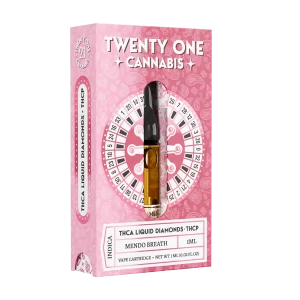
While understanding the science behind edibles is important, the quality of your product can also be a game-changer when it comes to the effects. Here are some product recommendations from Twenty One Cannabis that may be just what you’re looking for.
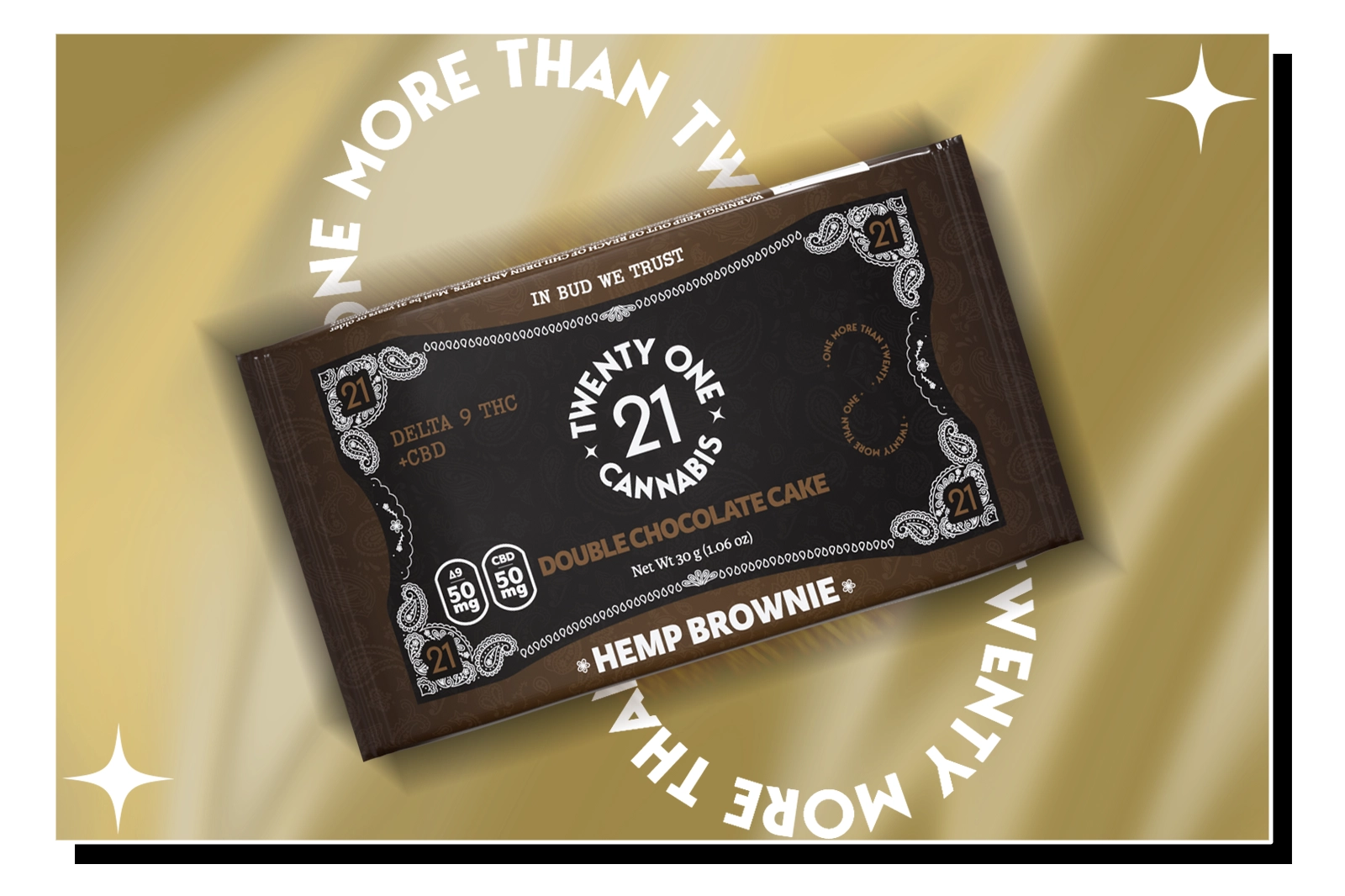
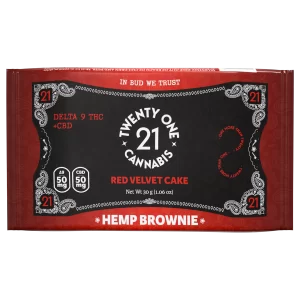
If you’re in the mood for something decadent, the Red Velvet THC Brownie (100mg) is a great place to start. With its classic red velvet base, rich cocoa notes, and smooth texture, this brownie delivers a dessert-like experience packed with 50mg Delta-9 THC and 50mg CBD for a balanced high. Ideal for winding down or indulging in some self-care, it offers a mellow onset and a euphoric, relaxing finish.
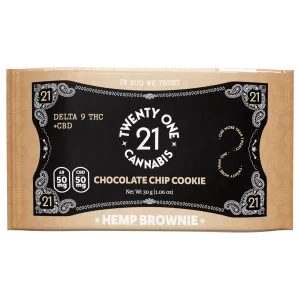
For a more familiar flavor, the Chocolate Chip Cookie THC Brownie (100mg) is a crowd-pleaser. It blends gooey semi-sweet chocolate with a chewy cookie texture, delivering the same 1:1 ratio of THC to CBD. This edible is especially praised for its lack of overpowering cannabis flavor, making it a great option for those who prefer taste over intensity. The balanced profile makes it suitable for both new and experienced users alike.
If you’re craving something nostalgic with a twist, the Peanut Butter & Jelly THC Brownie (100mg) brings together sweet and salty flavors in a unique edible format. Also infused with 50mg THC and 50mg CBD, this brownie is ideal for those seeking creative stimulation or mellow afternoon vibes. It’s flavorful, effective, and a fun spin on the classic sandwich, just in brownie form.
After multiple unsuccessful attempts with traditional edibles, it may be time to explore alternative product formats that offer different absorption pathways or enhanced bioavailability. This isn’t giving up; it’s making an educated pivot based on your body’s unique response patterns.
The journey to successful edible experiences requires patience, self-awareness, and a willingness to fine-tune your approach based on personal results rather than general expectations. Cannabis affects each individual uniquely; what works perfectly for others might require adjustment for your specific physiological makeup.
By understanding the science behind edible processing, recognizing the common pitfalls that lead to disappointing experiences, and implementing thoughtful consumption strategies, you can dramatically improve your chances of enjoying the full benefits these products offer.
Whether seeking relaxation, creativity enhancement, therapeutic relief, or simply a different way to experience cannabis, properly approached edibles can provide some of the most satisfying and beneficial cannabis experiences available.
Ready to buy better, cleaner, more refined edibles? Twenty One Cannabis is your go-to destination for premium-quality, expertly crafted cannabis products. We offer third-party tested, GMP-compliant edibles made from U.S.-grown hemp, ensuring you get clean, potent, and effective products every time.
Whether you’re a first-time consumer or a seasoned enthusiast, our carefully balanced formulas, like our 1:1 THC to CBD brownies, are designed with both flavor and function in mind. With consistent dosing, airtight packaging for freshness, and a curated selection of flavors, we make enjoying edibles simple, safe, and satisfying.
Browse our curated selection of premium edibles designed for consistent, reliable experiences across various potency levels and effect profiles.



Doctor of Pharmacy, Pharmaceutical Sciences University of Colorado
Co-Founder & CEO at Arvida Labs

You must be over 21 to enter.
GET NOTIFIED ABOUT ONLINE SALES AT 21 CANNABIS!