



FOR HIGH ROLLERS
 Fabian Raemy
Quick Answer: THCA is a non-psychoactive cannabinoid that converts to THC when heated, while HHC is a lab-created cannabinoid that’s already psychoactive at 70-80% of Delta-9 THC’s potency. THCA delivers full-strength THC effects when smoked or vaped, whereas HHC provides a milder, more controlled high without requiring heat activation.
The cannabis market now offers cannabinoids beyond traditional THC, with THCA and HHC leading as distinct alternatives. THCA (tetrahydrocannabinolic acid) exists naturally in raw cannabis as THC’s non-psychoactive precursor, converting to full-potency Delta-9 THC when heated. HHC (hexahydrocannabinol) is a hydrogenated form of THC created in labs that delivers milder psychoactive effects immediately—no heat required.
This comparison covers chemical structures, effects, potency levels, therapeutic benefits, legal status, and helps you determine which cannabinoid fits your goals.
THCA stands for tetrahydrocannabinolic acid, the acidic precursor that converts into Delta-9 THC through heating. Its additional carboxylic acid group prevents effective CB1 receptor binding, producing no psychoactive effects in raw form. When you apply heat through smoking, vaping, or cooking, decarboxylation removes this carboxyl group, transforming THCA into psychoactive THC.
Cannabis plants naturally produce THCA as they mature. The enzyme THCA synthase converts CBGA (cannabigerolic acid) into THCA within trichomes. Genetics determine THCA concentration, with some strains naturally developing higher levels.
Raw THCA produces zero psychoactive effects, making it suitable for therapeutic use without intoxication. You can consume raw THCA flower in smoothies or juices while maintaining complete mental clarity. Once heated, THCA converts to THC and delivers the full cannabis high—euphoria, relaxation, heightened sensory perception, and altered time perception.
Research shows THCA offers several therapeutic benefits. Studies indicate anti-inflammatory activity by inhibiting prostaglandin production, similar to NSAIDs. THCA also demonstrates neuroprotective properties through antioxidant activity, combating oxidative stress and degrading amyloid-beta plaques through PPARγ receptor interaction. Additional research points to antiemetic effects that reduce nausea and vomiting by modulating serotonin receptors.
Note: These statements have not been evaluated by the FDA. THCA products are not intended to diagnose, treat, cure, or prevent any disease.
HHC (hexahydrocannabinol) is a hydrogenated derivative of THC first identified in the 1940s. While trace amounts exist naturally in cannabis, commercial HHC is synthesized through laboratory hydrogenation that adds hydrogen atoms to THC’s molecular structure. This process—the same one used to convert vegetable oil into margarine—increases molecular stability, making HHC more resistant to oxidation, UV light, and heat degradation. This translates to longer shelf life and consistent potency.
Most commercial HHC begins with hemp-derived CBD rather than THC due to legal considerations. CBD undergoes cyclization to convert into Delta-8 and Delta-9 THC, then catalytic hydrogenation adds hydrogen atoms. After purification through filtration and distillation to remove byproducts and residual catalysts, pure HHC is ready for use.
Unlike THCA, HHC is psychoactive in all forms without requiring heat activation. Users report HHC at approximately 70-80% as potent as Delta-9 THC, delivering a noticeable but manageable high. The experience includes mild euphoria, mental clarity, physical relaxation, and reduced anxiety compared to high-THC products. Many consumers describe HHC as producing a “clear-headed” high with less risk of paranoia or overwhelming intensity, making it suitable for daytime use or social situations.
While research on HHC remains limited, anecdotal evidence suggests several benefits. HHC promotes relaxation and supports sleep quality through endocannabinoid system interaction. Users report mild appetite stimulation and pain relief, though less pronounced than Delta-9 THC. The hydrogenated structure contributes to antioxidant properties with neuroprotective benefits. Some evidence suggests HHC produces calming effects that help manage stress and mild anxiety.
Important: More research is needed to fully understand HHC’s effects and safety profile. These statements have not been evaluated by the FDA.
| Feature | THCA | HHC |
|---|---|---|
| Source | Naturally occurs in raw cannabis | Lab-synthesized from hemp CBD or THC |
| Psychoactivity | None (raw) / Full THC potency (heated) | 70-80% of Delta-9 THC potency |
| Effects | No high when raw / Traditional THC high when heated | Mild euphoria, clear-headed relaxation |
| Stability | Degrades to THC over time with heat | Highly stable, resistant to degradation |
| Best For | Potent THC experience or raw wellness benefits | Mild psychoactivity, anxiety-free relaxation |
| Legal Status | Federally legal (hemp-derived, <0.3% Delta-9) | Legal gray area (hemp-derived) |
| Therapeutic Focus | Anti-inflammatory, neuroprotective (raw) | Relaxation, mild anxiety relief |
Raw THCA has no psychoactive potency because it doesn’t produce a high. HHC, at 70-80% of Delta-9 THC’s potency, is technically stronger than unconverted THCA. However, when you heat THCA through smoking or vaping, it converts to full-potency Delta-9 THC, making activated THCA stronger than HHC.
For powerful psychoactive effects, decarboxylated THCA flower offers the stronger experience. For milder, more controlled effects, HHC provides the right potency level without overwhelming intensity.
THCA’s versatility allows both psychoactive and non-psychoactive consumption. For raw, non-intoxicating use, grind fresh THCA flower and add it to smoothies or foods without cooking. THCA tinctures preserve the cannabinoid in raw form when cold-extracted.
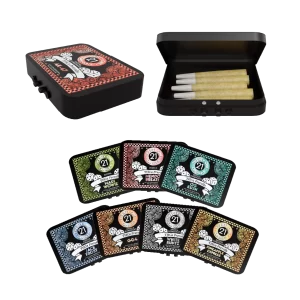
For psychoactive effects, heating is essential. Smoking or vaping provides immediate decarboxylation and effects. THCA pre-rolls offer convenient, pre-measured doses, while dabbing concentrates delivers the most potent experience.
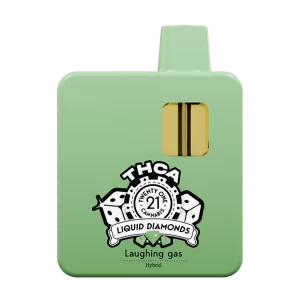
HHC doesn’t require heat activation. Vaping remains the most popular option, with disposable HHC vapes offering convenience and consistent dosing. Onset occurs within minutes, effects peak around 30-60 minutes. HHC edibles provide longer-lasting effects (4-6 hours) but take 1-2 hours to onset.
Both THCA and HHC exist in complex legal territories. The 2018 Farm Bill legalized hemp and hemp-derived cannabinoids containing less than 0.3% Delta-9 THC. THCA falls under this protection because it isn’t Delta-9 THC in raw form, despite converting to THC when heated.
HHC’s legal status is murkier. When synthesized from hemp-derived CBD, HHC should theoretically enjoy the same federal protections. However, some jurisdictions argue that synthesizing cannabinoids creates controlled substances regardless of source material. Several states have moved to explicitly ban or regulate HHC.
State laws vary significantly. Some states with legal recreational cannabis still prohibit hemp-derived cannabinoids like THCA and HHC. Other states that haven’t legalized recreational cannabis allow these hemp-derived products. Always verify local regulations before purchasing or using THCA or HHC products.
Raw THCA is well-tolerated with minimal reported side effects. Some users experience mild gastrointestinal discomfort or lightheadedness. When heated and converted to THC, THCA carries the same risks as traditional cannabis: anxiety, paranoia, increased heart rate, dry mouth, and impaired coordination. These effects are dose-dependent and resolve within hours.
Research on HHC remains limited, making its long-term safety profile unclear. Anecdotal reports suggest similar side effects to THC: dry mouth, red eyes, mild anxiety at higher doses, and temporary memory impairment. The synthetic nature of HHC raises additional concerns about product quality and purity. Always purchase from reputable sources that provide third-party lab testing.
Pregnant or breastfeeding individuals should avoid both cannabinoids. People with cardiovascular conditions should consult healthcare providers before using psychoactive cannabinoids. If you’re subject to drug testing, avoid both—THCA converts to THC, which appears on standard tests, and HHC can also trigger positive results.
Choose THCA for full-potency THC effects when smoked or vaped, non-psychoactive therapeutic benefits when consumed raw, traditional cannabis flower experience with natural terpene profiles, or maximum potency for experienced users.
Choose HHC for mild, manageable psychoactive effects, clear-headed high suitable for daytime use, reduced anxiety risk compared to high-THC products, longer shelf life and stability, or beginner-friendly introduction to psychoactive cannabinoids.
For evening relaxation or sleep support, either works depending on desired intensity. THCA flower offers powerful sedation when decarboxylated, while HHC provides gentler relaxation. During daytime activities, HHC’s milder effects maintain functionality. For social situations, HHC performs better with mood-elevating properties without excessive intoxication. When seeking therapeutic benefits without any high, raw THCA stands alone.
HHC is stronger than raw THCA because THCA produces no psychoactive effects until heated. However, when THCA is decarboxylated through smoking or vaping, it converts to full-potency Delta-9 THC, making it stronger than HHC’s 70-80% potency level.
Yes, both can trigger positive drug test results. THCA converts to THC in your body and will appear on standard THC drug screenings. HHC can also cause positive results, though testing protocols vary by laboratory.
When vaped or smoked, both THCA (after converting to THC) and HHC produce effects lasting 2-4 hours. In edible form, both cannabinoids last 4-6 hours, though HHC edibles produce more consistent duration than THCA edibles.
For anxiety management without intoxication, raw THCA offers anti-inflammatory benefits that indirectly support stress reduction. For mild psychoactive relaxation, HHC produces less anxiety than high-potency THC, making it preferable to heated THCA for anxiety-prone individuals.
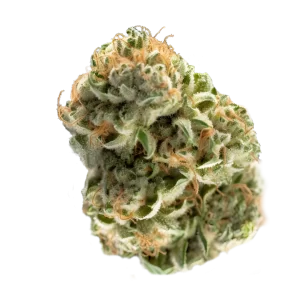
Quality THCA products come with third-party lab testing showing cannabinoid percentages, absence of contaminants (pesticides, heavy metals, residual solvents), and terpene profiles. The flower should appear fresh with visible trichomes, strong aroma, and proper moisture content—not dry or brittle.
THCA and HHC offer different benefits. Raw THCA shows promise for anti-inflammatory and neuroprotective support. HHC helps with mild anxiety, sleep, and pain relief through its psychoactive effects. Neither has FDA-approved medical applications, and research remains limited.
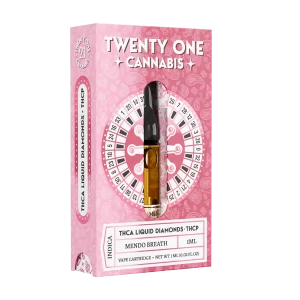
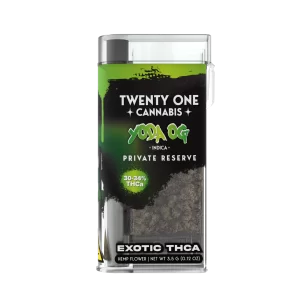
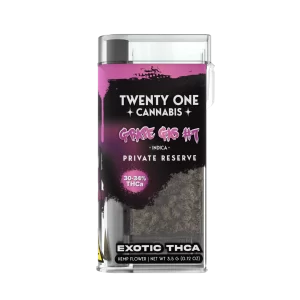
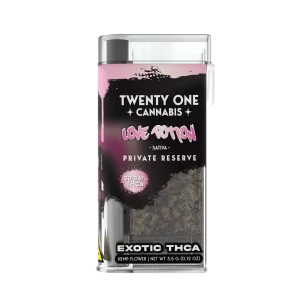
Whether you’re drawn to THCA’s versatility or HHC’s mellow effects, Twenty One Cannabis offers premium, lab-tested products. Our curated selection includes potent THCA flower and smooth HHC vapes to match your needs.
Questions about which cannabinoid fits your lifestyle? Read our guides or contact our team.


Doctor of Pharmacy, Pharmaceutical Sciences University of Colorado
Co-Founder & CEO at Arvida Labs

You must be over 21 to enter.
GET NOTIFIED ABOUT ONLINE SALES AT 21 CANNABIS!