


FOR HIGH ROLLERS
 Lindsey Goldstein
Quick Answer: THCh (tetrahydrocannabihexol) is a rare cannabinoid with a six-carbon side chain that binds 10% more effectively to CB1 receptors than Delta-9 THC. Despite this modest binding increase, users report THCh feels 5-10 times stronger than traditional THC with faster onset (10-20 minutes), intense euphoria, and 4-6 hour duration. Naturally occurring only in trace amounts in Italy’s FM2 cannabis strain, commercial THCh is synthesized from hemp-derived CBD, making it federally legal under the 2018 Farm Bill when derived from hemp with less than 0.3% Delta-9 THC.
THCh vs THC vs THCp Comparison
| Cannabinoid | Carbon Chain | CB1 Binding | Subjective Potency | Duration | Onset Time |
|---|---|---|---|---|---|
| THCh | 6 carbons | 10% stronger than THC | 5-10x stronger | 4-6 hours | 10-20 minutes |
| Delta-9 THC | 5 carbons | Baseline (40 nM) | Baseline | 3-5 hours | 5-15 minutes |
| THCp | 7 carbons | 33x stronger than THC | 5-10x stronger | 6-8 hours | 15-30 minutes |
THCh represents one of the newest cannabinoids capturing serious interest from experienced cannabis users. This rare compound, naturally occurring in trace amounts within cannabis plants, shares structural similarities with Delta-9 THC while possessing unique molecular characteristics that significantly alter how it binds to CB1 and CB2 receptors in your endocannabinoid system.
Early user reports and preliminary research suggest THCh delivers distinct effects and potency levels compared to traditional cannabinoids. Its six-carbon side chain structure creates enhanced receptor binding that translates to stronger psychoactive properties and extended duration compared to Delta-9 THC’s five-carbon chain.
Whether you’re considering THCh products for the first time or want to understand what separates this cannabinoid from others in your collection, knowing its chemical profile, reported effects, and available product formats helps make informed purchasing decisions. This guide breaks down everything experienced cannabis consumers need to know about THCh.
THCh (tetrahydrocannabihexol), also known as Δ9-THCh, Δ9-Parahexyl, or n-Hexyl-Δ9-THC, is a minor cannabinoid found naturally in cannabis in only trace amounts. First isolated from Cannabis plant material in 2020 by Italian researchers analyzing the FM2 strain, THCh represents the hexyl homolog of Delta-9 THC.
The molecular difference between THCh and Delta-9 THC centers on carbon chain length. Delta-9 THC contains a pentyl (five-carbon) alkyl side chain, while THCh features a hexyl (six-carbon) side chain. This seemingly small structural variation creates meaningful differences in how each cannabinoid interacts with cannabinoid receptors in your body.
According to cannabis chemistry expert Dr. Mark Scialdone, cannabinoids like THCh with different carbon chain lengths at the third position are made synthetically and not extracted from cannabis. This reality shapes everything from production methods to product availability, making THCh a perfect example of how modern cannabis science pushes boundaries through controlled synthesis.
THCh occurs naturally only in Italy’s FM2 cannabis strain, where concentrations typically fall below 0.1%. This extraordinarily low natural abundance makes direct extraction from plant material commercially impractical. A single Italian strain cannot supply global THCh demand, particularly as consumer interest in ultra-potent cannabinoids continues growing.
Commercial THCh production relies on chemical synthesis from abundant hemp-derived CBD. Manufacturers start with hemp-derived CBD isolate, then use specific catalysts and controlled conditions to modify the molecular structure through a process called terpenylation. This synthesis produces THCh that’s chemically identical to naturally occurring THCh, just in quantities that meet market demand.
The THCh synthesis process involves combining hexylresorcinol (a six-carbon precursor) with terpene derivatives through carefully controlled chemical reactions. The result is pure THCh isolate that manufacturers incorporate into various product formats including flower infusions, vape cartridges, and concentrates.
Understanding THCh potency requires distinguishing between receptor binding affinity and subjective psychoactive intensity. Laboratory measurements show THCh binds to CB1 receptors approximately 10% more effectively than Delta-9 THC. However, user reports consistently describe effects feeling 5-10 times stronger than traditional THC.
This apparent contradiction stems from how binding affinity translates to real-world effects. Research published in 2018 demonstrates that side chains in cannabinoid compounds alter receptor interaction and pharmacology beyond simple binding strength. THCh’s six-carbon chain creates not just stronger binding, but also different receptor activation patterns that amplify psychoactive intensity.
Some sources claim THCh is 25 times more potent than Delta-9 THC, while others suggest 10-15 times stronger. These wide-ranging estimates reflect several factors including individual tolerance, consumption method, product formulation, and the absence of controlled clinical studies. The cannabis community consensus settles around 5-10 times stronger than Delta-9 THC as a practical guideline for experienced users.
What matters most for consumers is that THCh requires significantly lower doses than traditional THC. Where you might consume 10-20mg of Delta-9 THC, equivalent effects from THCh may require only 2-4mg. Start with minimal doses and wait 30-60 minutes to assess effects before considering additional consumption.
THCh produces distinct effects that experienced users describe as more intense and longer-lasting than Delta-9 THC. Understanding the full experience profile helps set appropriate expectations and enables safer, more enjoyable consumption.
THCh effects onset within 10-20 minutes when vaped or smoked, noticeably faster than Delta-9 THC’s typical 5-15 minute onset. This rapid activation allows users to gauge effects more quickly and adjust dosing with less waiting between doses. Edible THCh products show delayed onset of 45-90 minutes, similar to traditional THC edibles.
Users consistently report THCh delivers clear, uplifting euphoria during the initial phase, progressing into deep physical relaxation as effects develop. The experience combines cerebral stimulation with pronounced body effects, creating what many describe as a more complete or fuller high than Delta-9 THC alone.
Key reported effects include:
THCh’s 4-6 hour duration positions it between Delta-9 THC (3-5 hours) and THCp (6-8 hours). This extended timeframe means effects persist longer than traditional cannabis, requiring users to plan consumption around schedules and responsibilities accordingly.
THCh and THCp represent the two strongest naturally-derived cannabinoids currently available, both significantly more potent than Delta-9 THC. Understanding their differences helps consumers choose the right compound for their tolerance and preferences.
THCh contains a six-carbon hexyl side chain, while THCp features a seven-carbon heptyl chain. This one-carbon difference creates measurable variations in CB1 receptor binding affinity. Laboratory studies show THCp binds approximately 33 times more effectively than Delta-9 THC, compared to THCh’s 10% enhanced binding.
Despite THCp’s dramatically higher binding affinity, both cannabinoids produce subjective effects described as 5-10 times stronger than Delta-9 THC. This similarity in perceived intensity suggests factors beyond receptor binding influence psychoactive experience.
Key differences include:
Choose THCh if you want enhanced potency with maintained control and mental clarity. THCh works well for experienced users seeking stronger effects without extreme sedation. Choose THCp if you have very high tolerance and want maximum intensity for evening use when you have no responsibilities for 6-8 hours.
While THCh and Delta-9 THC share similar molecular structures, their differences create distinctly different experiences worth understanding before trying THCh products.
The single-carbon difference between THCh’s six-carbon chain and Delta-9 THC’s five-carbon chain creates enhanced CB1 receptor binding. This structural variation allows THCh molecules to fit more securely into receptor binding sites, producing stronger activation and longer-lasting effects.
If you typically consume 10mg Delta-9 THC, start with 1-2mg THCh. The 5-10x potency multiplication means standard THC doses translate to dangerously high THCh doses. Always start low with THCh and increase gradually across multiple sessions.
THCh’s legal status exists in a complex gray area shaped by federal hemp law, state regulations, and the cannabinoid’s synthetic production method. Understanding current legality helps consumers make informed purchasing decisions and avoid legal complications.
Under the 2018 Farm Bill (Agriculture Improvement Act), hemp-derived cannabinoids remain federally legal when the final product contains less than 0.3% Delta-9 THC by dry weight. Since commercial THCh is synthesized from hemp-derived CBD and finished products meet this Delta-9 threshold, THCh technically qualifies as federally legal hemp.
However, the DEA has previously challenged the legality of chemically modified cannabinoids, arguing that synthetic compounds fall outside the Farm Bill’s protections. While no specific federal enforcement actions have targeted THCh, the legal landscape remains uncertain and subject to regulatory changes.
Individual states maintain authority to regulate hemp-derived intoxicating cannabinoids regardless of federal law. Several states have enacted restrictions on all psychoactive hemp cannabinoids, including THCh:
Always verify your state’s current hemp cannabinoid regulations before purchasing THCh products. Laws change frequently, and what’s legal today may face restrictions tomorrow.
Like all cannabinoids, THCh produces side effects that users should understand before consumption. While serious adverse reactions remain rare, THCh’s enhanced potency amplifies typical cannabis side effects, particularly at higher doses.
Minimize risks by following these safety practices:
THCh may not be appropriate for:
Yes, THCh will cause positive results on standard drug tests. This represents one of the most important practical considerations for consumers subject to workplace, athletic, or legal drug screening.
Standard drug tests don’t distinguish between different THC variants. Instead, they detect THC-COOH, the primary metabolite your body produces when breaking down any form of THC. Since THCh, Delta-9 THC, Delta-8 THC, THCp, and other THC analogs all metabolize into the same or very similar compounds, drug tests cannot differentiate between them.
This means consuming THCh produces identical test results to consuming marijuana. The test shows positive for THC metabolites regardless of whether you used federally legal hemp-derived THCh or state-legal marijuana.
THC metabolites remain detectable in your system for varying periods depending on frequency of use and individual metabolism:
If you’re subject to drug testing for employment, athletics, probation, or any other reason, avoid THCh and all THC-containing products entirely.
THCh products come in various formats, each offering different onset times, duration, and user experiences. Understanding consumption methods helps optimize your experience and manage dosing effectively.
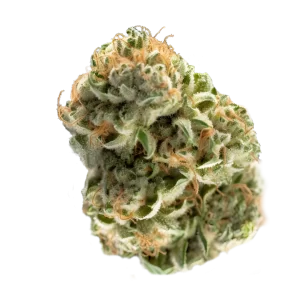
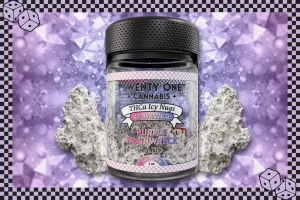
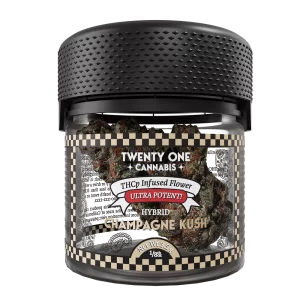
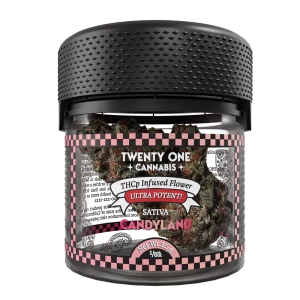
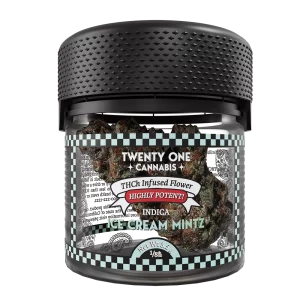
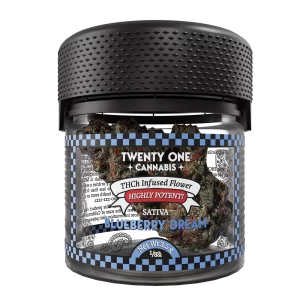
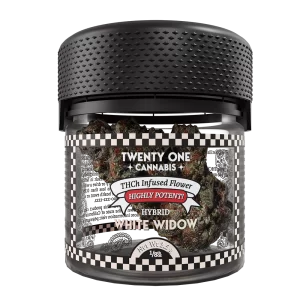
THCh-infused flower combines traditional hemp or THCa flower with THCh distillate, creating enhanced potency while maintaining full-spectrum cannabinoid and terpene profiles. Smoke or vape THCh flower using standard methods including joints, pipes, or bongs.
Dosing: Start with 1-2 small puffs, wait 20 minutes, and assess effects before consuming more. THCh flower produces fast onset (10-20 minutes) with 4-6 hour duration.
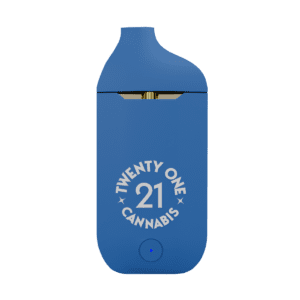
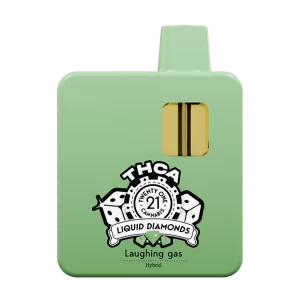
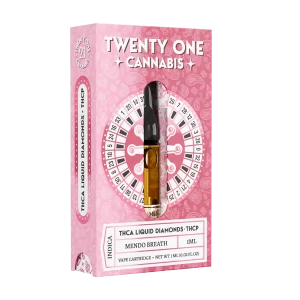
Vape cartridges containing THCh distillate offer precise dosing and convenient consumption. Most THCh carts combine THCh with other cannabinoids (Delta-8, THCa, HHC) and strain-specific terpenes for balanced effects.
Dosing: Take 1-2 second draws initially. Vaping produces the fastest onset (5-15 minutes) and allows incremental dosing adjustments.
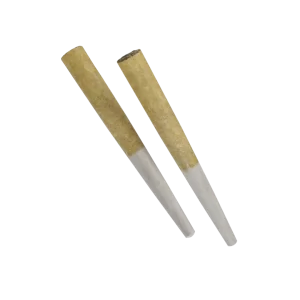
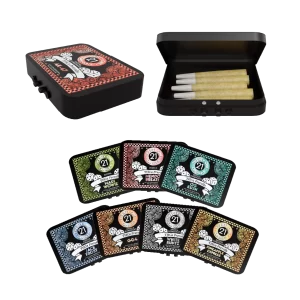
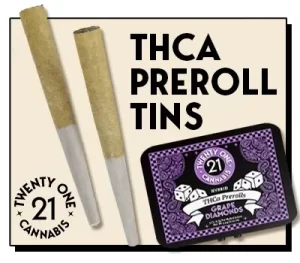
Pre-rolled joints infused with THCh provide ready-to-use convenience without rolling preparation. These work well for users wanting consistent dosing and portable consumption options.
Dosing: Share pre-rolls with others or consume over multiple sessions. A full THCh pre-roll typically delivers 4-8mg total THCh, which may overwhelm solo users with lower tolerance.
Always wait at least 60 minutes between doses when trying THCh for the first time. Effects build over time, and premature re-dosing leads to uncomfortably intense experiences.
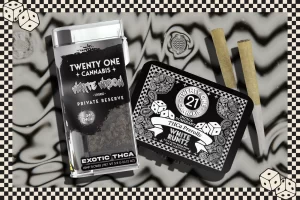
Twenty One Cannabis offers verified, lab-tested THCh products formulated by licensed pharmacists and PhD chemists with combined 20+ years experience in cannabinoid science. Our products meet pharmaceutical-grade quality standards with transparent third-party testing.
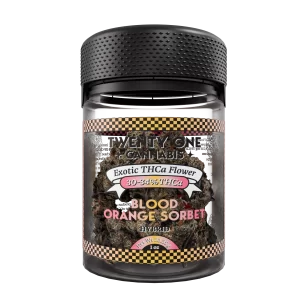
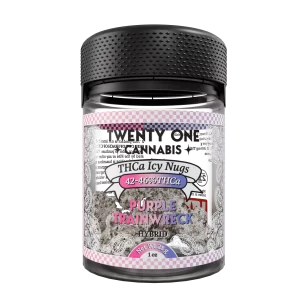
Our THCh flower line includes carefully selected strains enhanced with high-purity THCh distillate:
Each 3.5g package undergoes ISO-certified third-party testing with accessible Certificates of Analysis showing exact cannabinoid content, terpene profiles, and safety screening for pesticides, heavy metals, and residual solvents.
Shop our complete THCh product collection for verified potency and transparent testing you can trust.
Yes, THCh is approximately 5-10 times stronger than Delta-9 THC based on user reports, despite only 10% greater CB1 receptor binding affinity in laboratory studies. The enhanced potency comes from THCh’s six-carbon side chain creating different receptor activation patterns beyond simple binding strength. This means users need significantly smaller doses of THCh to achieve effects comparable to traditional THC.
THCh is federally legal under the 2018 Farm Bill when derived from hemp containing less than 0.3% Delta-9 THC. However, several states have enacted restrictions on all intoxicating hemp cannabinoids regardless of federal status. Check your specific state’s hemp cannabinoid regulations before purchasing, as laws vary significantly and change frequently. States may ban, age-restrict, or require specific testing standards for THCh products.
THCp shows higher CB1 binding affinity (33x stronger than Delta-9 THC) compared to THCh (10% stronger), but both produce subjective effects described as 5-10 times more potent than traditional THC. The practical difference lies in duration and intensity progression—THCp lasts 6-8 hours with heavier sedation, while THCh lasts 4-6 hours with more manageable effects and maintained mental clarity. Most users find THCh more functional for daytime use despite similar peak intensity.
Yes, THCh will cause positive results on standard drug tests. All THC variants metabolize into THC-COOH or similar compounds that drug tests detect. Tests cannot distinguish between THCh, Delta-9 THC, Delta-8 THC, or other THC analogs—they all produce identical or nearly identical metabolites. If you’re subject to drug testing for employment, athletics, or legal reasons, avoid all THC-containing products including THCh.
Common THCh side effects include dry mouth and eyes, increased appetite, anxiety or paranoia (especially at high doses), dizziness, drowsiness, and impaired coordination. These mirror typical cannabis side effects but may feel more intense due to THCh’s enhanced potency. Serious adverse reactions remain rare with responsible use. Minimize side effects by starting with low doses (1-2mg), consuming in comfortable environments, staying hydrated, and avoiding combination with alcohol or other substances.
Start with 1-2mg THCh if you’re new to this cannabinoid, even if you have high Delta-9 THC tolerance. Experienced cannabis users can begin with 2-4mg, while high-tolerance consumers might try 4-8mg as an initial dose. Always wait at least 60 minutes between doses to assess full effects before consuming more. THCh’s 5-10x potency means standard THC doses translate to dangerously high THCh doses—when in doubt, start lower than you think necessary.
THCh effects last 4-6 hours total when smoked or vaped, with onset occurring within 10-20 minutes and peak intensity reached at 1-2 hours. This duration exceeds Delta-9 THC’s typical 3-5 hours but falls short of THCp’s 6-8 hour timeframe. Edible THCh products may extend duration to 6-8 hours with delayed onset of 45-90 minutes. Plan your consumption around this extended timeframe, ensuring you have no responsibilities for at least 6 hours after using THCh.
THCh appears safe when used responsibly by adults, though long-term safety studies don’t yet exist due to its recent discovery in 2020. Like all cannabinoids, THCh carries risks including impairment, anxiety at high doses, and interaction with certain medications. Minimize risks by purchasing from reputable vendors with third-party lab testing, starting with low doses, avoiding driving or operating machinery during effects, and consulting healthcare providers if you have underlying health conditions or take medications that may interact with cannabinoids.
Travel with THCh products carries legal risks even when federally compliant. While hemp-derived THCh meets federal standards, crossing state lines means entering jurisdictions with potentially different laws. Some states ban all intoxicating hemp cannabinoids, and TSA or law enforcement may not distinguish between legal THCh and illegal marijuana products during inspections. If traveling, research destination state laws thoroughly, carry product COAs showing Delta-9 THC compliance, and understand that legal uncertainty may cause complications regardless of actual legality.



Doctor of Pharmacy, Pharmaceutical Sciences University of Colorado
Co-Founder & CEO at Arvida Labs

You must be over 21 to enter.
GET NOTIFIED ABOUT ONLINE SALES AT 21 CANNABIS!