


FOR HIGH ROLLERS
 Lindsey Goldstein
The cannabis industry has changed dramatically since the 2018 Farm Bill, and two cannabinoids dominate the legal hemp market in 2026: THCa and Delta-8 THC. While both offer federally compliant pathways to cannabinoid benefits, they represent fundamentally different approaches to cannabis consumption.
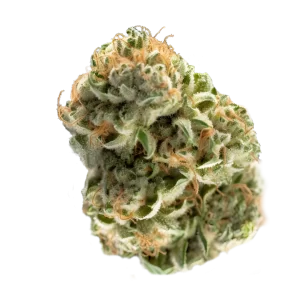
THCa is cannabis in its purest, most natural form—the raw precursor to Delta-9 THC that converts when heated, offering authentic “real weed” experiences without the legal restrictions of marijuana. With 15-30% natural concentrations in raw flower, THCa provides both non-psychoactive therapeutic benefits when consumed raw and full-potency psychoactive effects when smoked or vaped.
Delta-8, on the other hand, is hemp’s chemically converted answer to traditional THC—a semi-synthetic cannabinoid that exists in trace amounts naturally but is mass-produced through CBD isomerization. It offers approximately 50-60% the potency of Delta-9 THC, making it ideal for those seeking a milder, more manageable high with fewer anxiety-inducing properties.
The key question isn’t which is “better”—it’s which aligns with your specific needs, tolerance level, and consumption preferences. This comparison breaks down every critical difference to help you make an informed decision.
| THCa | Delta-8 | |
|---|---|---|
| Psychoactive (Raw Form) | No | Yes (Mild) |
| Psychoactive (When Heated) | Yes (Converts to full-potency THC) | Yes (Same mild potency) |
| Potency vs Delta-9 THC | 87.7% when heated | 50-60% (40% less potent) |
| Strength Rating | Strong | Mild-Moderate |
| Onset Time (Smoking/Vaping) | 5-10 minutes | 5-15 minutes |
| Onset Time (Edibles) | N/A (doesn’t convert in stomach) | 45-120 minutes |
| Duration (Smoking/Vaping) | 2-4 hours | 1-3 hours |
| Duration (Edibles) | Non-psychoactive | 6-8 hours |
| Beginner Dose | 0.1-0.3g flower (10-26mg THC when heated) | 5-15mg |
| Experienced Dose | 0.5-1g flower (44-87mg THC when heated) | 25-50mg |
| Primary Effects | Raw: Anti-inflammatory, neuroprotective / Heated: Full cannabis experience | Mild euphoria, relaxation, clear-headed high |
| Anxiety Risk | Low (raw) / Moderate (heated) | Low |
| Federal Legal Status (2026) | Legal (Farm Bill 2018) | Legal but varies by state |
| Drug Test Detection | Yes (shows as THC) | Yes (shows as THC) |
| Natural Occurrence | Abundant (15-30% in raw flower) | Trace amounts (under 1% naturally) |
| Production Method | Naturally extracted from cannabis | Converted from CBD (semi-synthetic) |
| Best For | Versatility, authentic cannabis, therapeutic use | Mild high, anxiety relief, daytime use |
| Avoid If | THC-sensitive, drug testing, edibles-only preference | Seeking full potency, prefer natural compounds only |
| Average Cost (Flower) | $25-$50 per 3.5g | $20-$40 per 3.5g (infused hemp) |
| Average Cost (Vapes) | $30-$60 per gram | $25-$50 per gram |
| Available Product Forms | Flower, vapes, concentrates, tinctures (raw) | Flower, vapes, edibles, tinctures, topicals |
| Edibles Effectiveness | Non-psychoactive (unless pre-heated) | Highly effective |
THCa, or tetrahydrocannabinolic acid, is a naturally occurring compound found in raw cannabis plants. As the precursor to THC, the well-known psychoactive cannabinoid responsible for the “high” associated with cannabis use, THCa itself is non-intoxicating in its raw form.
THCa’s chemical structure includes a carboxyl group that prevents it from binding to CB1 receptors in the brain—the mechanism responsible for cannabis intoxication. When exposed to heat through smoking, vaping, or cooking, THCa undergoes decarboxylation, a process that removes the carboxyl group and converts THCa into psychoactive THC at approximately 87.7% efficiency.
This dual functionality makes THCa versatile. When consumed raw in tinctures or edibles, it offers therapeutic benefits without intoxication. When heated through smoking or vaping, it provides the full cannabis experience users expect from traditional marijuana.
THCa is made naturally in the cannabis plant as part of its growth process. The plant produces cannabinoids in their acidic forms, including THCa, through biosynthesis. This occurs when the enzyme THCa synthase converts cannabigerolic acid (CBGa)—the “mother cannabinoid”—into THCa.
THCa production peaks as the plant matures, making raw, freshly harvested cannabis flowers the richest source of this compound. Commercially, THCa is extracted and isolated from cannabis plants using advanced methods such as CO2 or solvent-based extraction to ensure purity and potency while maintaining temperature controls that prevent premature conversion to THC.
While research into THCa is still ongoing, early studies suggest that this non-psychoactive cannabinoid may offer several therapeutic benefits.
THCa is well-regarded for its anti-inflammatory effects, making it beneficial for individuals dealing with conditions like arthritis, muscle soreness, or autoimmune disorders. By interacting with the body’s endocannabinoid system, THCa helps reduce inflammation, offering a natural alternative to traditional anti-inflammatory medications without the associated side effects.
Research suggests that THCa may have neuroprotective properties, which could support brain health and prevent neurodegenerative diseases. Its ability to modulate oxidative stress and reduce inflammation in the nervous system positions THCa as a promising compound for maintaining cognitive function and overall brain health.
THCa has shown effectiveness in reducing nausea and vomiting, making it useful for individuals undergoing chemotherapy or those with gastrointestinal issues. Unlike THCv, which suppresses appetite, THCa may gently stimulate hunger, supporting individuals with conditions that cause appetite loss, such as cancer or eating disorders.
One of THCa’s most appealing benefits is that it provides therapeutic effects without the intoxicating high associated with THC. This makes it an excellent choice for individuals seeking relief from symptoms without compromising their clarity or daily functioning.
THCa’s versatility is another significant advantage. It can be consumed raw for its non-psychoactive benefits or heated to convert into THC, offering both medicinal and recreational potential. This adaptability makes it suitable for a wide range of users, enhancing its value as a wellness compound.
Delta-8 is a minor cannabinoid and an isomer of THC, meaning it shares the same chemical formula but has a slightly different molecular structure. This structural difference—where the double bond sits on the eighth carbon chain instead of the ninth—results in Delta-8 offering milder psychoactive effects compared to its more well-known counterpart, Delta-9 THC.
While Delta-8 can be found naturally in cannabis plants, it is typically present in very low concentrations, rarely exceeding 1% of total cannabinoid content. As a result, most commercially available Delta-8 products are derived from hemp-sourced CBD through a process called isomerization.
Delta-8 has gained a tremendous following for its unique effects and versatile applications, despite being present in only trace amounts in cannabis plants. Advanced extraction and refinement processes are employed to produce Delta-8 at a scale suitable for commercial use. These methods isolate CBD from hemp before chemically converting it into Delta-8 through controlled conditions using acid catalysts.
This transformation requires precision to ensure the final product is potent, safe, and free from unwanted byproducts or residual solvents. After synthesis, Delta-8 undergoes rigorous lab testing to meet quality and compliance standards, making it a reliable option for consumers seeking its distinct effects.
While Delta-8 is known for its milder psychoactive effects compared to Delta-9 THC, it also offers a range of potential therapeutic benefits.
Delta-8 THC provides a gentle psychoactive experience, offering relaxation and euphoria without the intensity often associated with Delta-9 THC. Users report clearer mental function and maintained productivity compared to traditional cannabis, making Delta-8 suitable for daytime use when a calmer, more manageable high is preferred.
Delta-8 is known for its anxiolytic properties, which help reduce stress and anxiety. Its ability to interact with the CB1 receptors in the brain creates a calming effect, making it suitable for individuals seeking relief from everyday stress without excessive sedation or impairment.
Research and user experiences suggest that Delta-8 may have analgesic properties, making it a potential option for managing chronic pain, migraines, or post-workout soreness. Its interaction with the endocannabinoid system may help modulate pain perception, providing relief without the high intensity of Delta-9.
Delta-8 THC can stimulate appetite, making it beneficial for individuals experiencing reduced hunger due to medical treatments, conditions, or chronic illnesses. Its appetite-enhancing effects are similar to Delta-9 THC but with fewer psychoactive side effects.
Delta-8 THC typically causes fewer side effects compared to Delta-9 THC. Users report less anxiety, paranoia, and grogginess, making it a safer alternative for those who are sensitive to traditional THC products but still want to explore its benefits.
Delta-8, derived from hemp, is more widely available and legally accessible in many regions compared to Delta-9 THC. This makes it an attractive option for users seeking a federally compliant cannabinoid with therapeutic and recreational potential.
When comparing THCa and Delta-8, several key differences emerge that can help you make informed decisions about which cannabinoid may be right for you.
One of the most significant differences between THCa and Delta-8 is their psychoactive properties. THCa, in its raw form, is non-psychoactive, meaning it will not produce the “high” typically associated with cannabis use. The compound cannot bind to CB1 receptors until decarboxylation removes its carboxyl group through heat.
On the other hand, Delta-8 does produce psychoactive effects in all forms, although they are generally considered milder and more clear-headed compared to Delta-9 THC. Many users report experiencing a sense of relaxation, mood elevation, and mild euphoria when consuming Delta-8 products, while maintaining better mental clarity than they would with traditional cannabis.
Another notable difference between THCa and Delta-8 is their potency. As a non-psychoactive compound, THCa has no psychoactive potency in its raw state. However, when heated, THCa converts to Delta-9 THC at approximately 87.7% efficiency—delivering nearly full-strength cannabis effects. A 100mg dose of THCa becomes approximately 87.7mg of active THC after decarboxylation.
Delta-8, while psychoactive, is less potent than its more famous counterpart, Delta-9 THC. Studies suggest that Delta-8 may be about 50-60% as potent as Delta-9, meaning you would need to consume a higher dose of Delta-8 to achieve effects similar to a lower dose of Delta-9. However, the experience remains qualitatively different—users describe Delta-8 as clearer and less sedating.
The legal status of both THCa and Delta-8 can be complex and varies depending on the jurisdiction. In the United States, the 2018 Farm Bill legalized hemp and its derivatives, including cannabinoids like THCa and Delta-8, provided they are derived from hemp and contain less than 0.3% Delta-9 THC.
However, some states have implemented their own regulations regarding THCa and Delta-8, ranging from outright bans to specific restrictions on production, sale, and possession. Checking local laws before purchasing or consuming any cannabis products containing THCa or Delta-8 is necessary to ensure compliance.
Selecting between THCa and Delta-8 depends on your specific use cases, tolerance levels, consumption preferences, and desired outcomes.
THCa consumption methods determine whether you experience non-psychoactive therapeutic benefits or full cannabis intoxication.
One method is to incorporate raw cannabis into your diet through juices or smoothies. By blending fresh, uncured cannabis leaves and buds with your favorite fruits and vegetables, you can create a nutrient-packed beverage that delivers a dose of THCa without the “high” associated with THC.
THCa-rich tinctures are liquid extracts that can be consumed sublingually or added to food and beverages. These tinctures are typically made using a cold extraction process that preserves the THCa content, allowing you to experience its potential benefits in a convenient, discreet form without psychoactive effects.
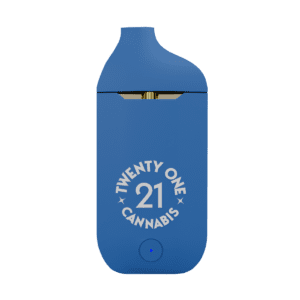
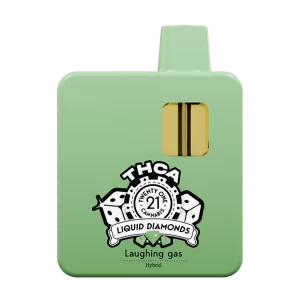
If you prefer to consume cannabis through smoking or vaping, THCa flower provides full-potency psychoactive effects as the heat immediately converts THCa to Delta-9 THC. Effects begin within 5-10 minutes and last 2-4 hours, matching the timeline of traditional cannabis use. For convenient options, THCa disposable vapes offer portable solutions with lab-tested potency.
Delta-8 products come in various forms, allowing you to choose the consumption method that best suits your preferences and lifestyle.
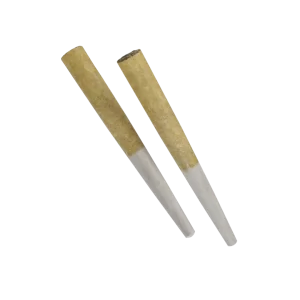
One of the most popular ways to consume Delta-8 is through vaping or smoking. You can find Delta-8 vape cartridges, disposable vape pens, and pre-rolls that offer a fast-acting and convenient way to experience the cannabinoid’s effects. When vaping or smoking Delta-8, the compounds are quickly absorbed into your bloodstream through your lungs, providing rapid onset of effects within 5-15 minutes that typically last for 1-3 hours.
If you prefer a longer-lasting and more discreet option, Delta-8 edibles and tinctures may be the perfect choice. Edibles, such as gummies, chocolates, and baked goods, are infused with Delta-8 and offer a tasty way to consume the cannabinoid. Tinctures, on the other hand, are liquid extracts that can be taken sublingually or added to food and beverages. When consuming Delta-8 edibles or tinctures, the effects may take longer to kick in—typically 45 minutes to 2 hours—but can last for 6-8 hours.
For those seeking localized relief without the psychoactive effects, Delta-8 topicals, such as creams, balms, and salves, can be applied directly to the skin. These products are designed to target specific areas of the body, offering potential pain relief and anti-inflammatory benefits without producing intoxication.

When it comes to managing anxiety, both THCa and Delta-8 offer potential benefits, but they work in different ways.
THCa, being non-psychoactive in raw form, may help reduce anxiety through its interaction with the endocannabinoid system without producing the “high” that some people find uncomfortable or anxiety-inducing. Users seeking anxiety relief during work or social situations often benefit from this non-psychoactive approach. However, when heated, THCa converts to full-potency THC—which can increase anxiety in sensitive individuals.
On the other hand, Delta-8 offers milder psychoactive effects compared to Delta-9 THC, which may be more tolerable for those sensitive to the anxiety-inducing properties of traditional THC. Many users report feeling a sense of calm and relaxation after consuming Delta-8 products, with clearer mental function than they experience with regular cannabis.
When choosing between THCa and Delta-8 for anxiety, consider your personal preferences and sensitivity to psychoactive effects. If you prefer to avoid any intoxication, raw THCa may be the better choice. However, if you don’t mind mild psychoactive effects and find them helpful for managing anxiety, Delta-8 could be a good option. Starting with low doses and gradually increasing until you find the optimal amount for your needs is the recommended approach.
When heated, THCa converts to Delta-9 THC at 87.7% efficiency, delivering full-potency effects identical to traditional cannabis. Delta-8 is approximately 40% less potent than Delta-9, making heated THCa significantly stronger. However, raw (unheated) THCa produces zero psychoactive effects, while Delta-8 is always mildly psychoactive regardless of consumption method.
Yes, many premium cannabis products blend THCa and Delta-8 for balanced effects. When heated, THCa converts to potent THC while Delta-8 provides milder relaxation. This combination offers strong effects from THCa with smooth, anxiety-reducing properties of Delta-8. Start with low doses, as combined effects can be more intense than either cannabinoid alone.
Duration depends on consumption method. When smoked or vaped, both THCa (converted to THC) and Delta-8 last approximately 2-4 hours. In edible form, Delta-8 may last slightly longer (6-8 hours) compared to THC from heated THCa (4-6 hours), though individual metabolism, tolerance, and dosage significantly affect these timeframes.
Yes, both trigger positive results on standard drug tests. Most screenings detect THC metabolites, and both THCa (after converting to THC through heat or metabolism) and Delta-8 produce similar metabolites that tests identify as THC. If subject to drug testing for employment or legal reasons, avoid both cannabinoids entirely.
Delta-8 is often preferred for sleep due to its inherently relaxing, sedative effects without overwhelming potency. Its milder psychoactive profile promotes relaxation and drowsiness without anxiety or racing thoughts. THCa (when heated to convert to THC) can also support sleep, especially indica strains, but may be too stimulating for some users.
THCa flower contains naturally high concentrations (15-30%) of THCa that convert to full-potency THC when smoked or vaped, offering authentic cannabis with complete terpene profiles. Delta-8 flower is typically hemp flower (CBD flower) infused or sprayed with Delta-8 distillate. THCa flower offers richer flavor and fuller-spectrum effects.
Whether THCa is better than Delta-8 depends on your goals and desired effects. THCa shines in its versatility, offering non-intoxicating benefits in its raw form while converting to THC for traditional psychoactive effects when heated. Users who value authentic cannabis experiences, natural terpene profiles, and the flexibility to choose between therapeutic and recreational applications typically prefer THCa.
On the other hand, Delta-8 offers a mild, manageable high with relaxing effects, making it a practical option for users looking for stress relief or a more calming experience without the intensity of traditional cannabis. Those sensitive to anxiety from regular THC, new users, and people who prefer edibles often find Delta-8 more suitable for their needs.
Ultimately, THCa edges out as the more versatile and well-rounded option, catering to both medicinal and recreational needs. However, the choice comes down to personal preference and what best suits your lifestyle.
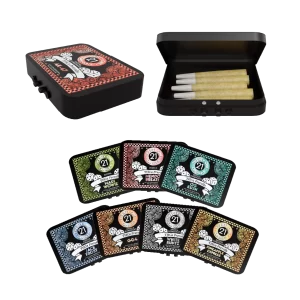
If you’re ready to explore the full potential of THCa or discover the balanced effects of Delta-8, Twenty One Cannabis is here to elevate your experience. We offer a carefully curated selection of premium, lab-tested cannabis products sourced from U.S.-grown hemp. Whether you’re interested in THCa concentrates, flowers, or convenient vapes, or looking for the soothing effects of Delta-8 prerolls and cartridges, we have something tailored to your needs.
At Twenty One Cannabis, quality and transparency are our priorities. Each product undergoes rigorous third-party testing to ensure safety, potency, and purity, providing peace of mind with every purchase.
Visit our shop today to browse our range of exceptional THCa and Delta-8 offerings and take the next step in your wellness or recreational journey with confidence.


Doctor of Pharmacy, Pharmaceutical Sciences University of Colorado
Co-Founder & CEO at Arvida Labs

You must be over 21 to enter.
GET NOTIFIED ABOUT ONLINE SALES AT 21 CANNABIS!