
FOR HIGH ROLLERS
 Fabian Raemy
Quick Answer: The best way to smoke THCA depends on your preference and experience level. Joints and pre-rolls offer convenience and flavor preservation, bongs provide water filtration for smoother hits, and dab rigs deliver maximum potency from THCA crystals and diamonds. Vaporizing at 350-410°F provides the healthiest option with optimal cannabinoid activation. THCA converts to psychoactive THC at 232°F through decarboxylation, making any heating method effective.
THCA Smoking Methods Comparison
| Method | Temperature | Onset Time | Best For | Difficulty |
|---|---|---|---|---|
| Joints/Pre-rolls | 1400°F flame | 2-5 minutes | Portability, flavor | Easy |
| Pipes | 1400°F flame | 2-5 minutes | Quick sessions | Easy |
| Bongs | 1400°F flame | 2-5 minutes | Smooth hits, cooling | Easy |
| Vaporizers | 350-410°F | 3-7 minutes | Health, efficiency | Medium |
| Dab Rigs | 500-700°F | 1-3 minutes | Maximum potency | Advanced |
Ready to experience premium THCA? Explore Our THCa Products Now!
THCA, or tetrahydrocannabinolic acid, is a cannabinoid found in raw cannabis plants, specifically in the trichomes that cover the buds and leaves. THCA is the acidic precursor to THC (tetrahydrocannabinol, or Delta-9 THC), the compound responsible for cannabis’s psychoactive effects. Unlike THC, THCA is non-psychoactive in its raw form, meaning consuming raw cannabis in salads or juices won’t produce intoxication.
The transformation from THCA to THC occurs through decarboxylation, a chemical process triggered by heat. Research published in Cannabis and Cannabinoid Research demonstrates that decarboxylation follows first-order kinetics, with THCA converting to THC at temperatures starting at 220°F (104°C). When you smoke, vape, or cook THCA flower, heat removes the carboxylic acid group, transforming THCA into psychoactive THC.
According to studies in Industrial & Engineering Chemistry Research, THCA shows the fastest decarboxylation rate among acidic cannabinoids, converting at approximately 87.7% efficiency when heated properly. This high conversion rate makes smoking and vaping highly effective activation methods.
Hemp-derived THCA flower offers a federally compliant pathway to cannabis effects. Under the 2018 Farm Bill, THCA products remain legal as long as they contain less than 0.3% Delta-9 THC by dry weight. Since THCA hasn’t decarboxylated yet in raw flower, these products meet federal requirements while delivering full-strength effects once heated.
The answer depends entirely on heat exposure. Raw, unheated THCA is non-psychoactive and won’t produce intoxication. The carboxylic acid group prevents THCA from binding effectively to CB1 cannabinoid receptors in your brain, which are responsible for producing the characteristic cannabis high.
However, when exposed to heat through smoking, vaping, or cooking, THCA undergoes decarboxylation and converts to psychoactive THC. Research from the National Center for Natural Products Research shows that combustion temperatures (around 1400°F from a lighter flame) instantly decarboxylate THCA, while controlled vaporization at 350-410°F achieves the same conversion with greater precision.
This heat-dependent activation makes THCA flower unique. You can consume it raw for potential wellness benefits without intoxication, or apply heat to unlock the full psychoactive THC experience. Understanding this distinction helps you choose consumption methods that align with your goals.
THCA demonstrates several potential therapeutic properties in its raw, non-psychoactive form. While research continues to expand, current studies suggest meaningful applications:
It’s important to note that while these studies show promise, THCA research is still developing. Most evidence comes from preclinical studies, and more human trials are needed to fully understand therapeutic applications and optimal dosing.
Choosing the best method to smoke THCA depends on your experience level, desired effects, and equipment preferences. Every smoking method applies heat to trigger decarboxylation, but temperature control and delivery mechanisms create distinctly different experiences.
According to research on cannabinoid activation, combustion methods like joints and pipes reach approximately 1400°F, instantly converting THCA to THC within 2-3 puffs. Vaporizers operate at controlled temperatures between 350-410°F, preserving more terpenes while achieving complete decarboxylation over slightly longer sessions.
For many users, smoking THCA-rich flower provides the most authentic cannabis experience. Hemp-derived THCA flower offers the same look, smell, and effects as traditional high-THC marijuana, but remains federally compliant since raw THCA content stays below 0.3% Delta-9 THC.
The THCA product landscape has expanded significantly. Beyond traditional flower, you can choose from THCA-infused pre-rolls for convenience, THCA crystals and diamonds for maximum potency, liquid THCA diamonds for vaping, and THCA sand for versatile applications. Each format offers distinct advantages for different consumption styles.
Temperature management matters more than strain selection for your smoking experience. Higher heat produces faster, more intense activation but harsher smoke that can irritate your throat. Lower temperatures preserve smoothness and terpene flavors but require more technique and patience.
Looking for expert guidance on premium THCA flower? Check out our quality products and consumption tips to optimize your sessions.
THCA flower revolutionized the hemp market by providing a legal pathway to experience cannabis effects identical to high-THC marijuana. The hemp-derived nature of commercial THCA flower keeps it federally compliant while delivering full-strength psychoactive effects once heated.
For convenient, ready-to-use options, THCA-infused pre-rolls eliminate preparation time and deliver consistent experiences. If you prefer selecting and preparing your own flower, follow these steps for optimal results:
Start with 1-2 puffs if you’re new to THCA or have low tolerance. High-potency THCA flower can contain 25-30% THCA content, which converts to 22-26% active THC when smoked—rivaling dispensary-grade marijuana.
THCA crystals, also called diamonds, represent nearly pure crystalline THCA with 90%+ purity. These ultra-potent concentrates deliver intense effects that even experienced users find remarkable, making them ideal for high-tolerance consumers or those seeking maximum cannabinoid content.
Dab rigs provide the optimal method for consuming THCA crystals. The controlled high-temperature vaporization preserves cannabinoid profiles while achieving instant, complete decarboxylation. Follow these steps for best results:
THCA crystals require significantly lower doses than flower. A single rice grain-sized crystal can deliver effects equivalent to smoking 0.5-1 gram of flower. Start small and wait 15-20 minutes before considering additional doses.
THCA diamonds and THCA crystals refer to the same product—crystalline formations of nearly pure THCA created during concentrate production. “Diamonds” simply describes their gemstone-like appearance. Both terms indicate 90%+ THCA purity in solid crystalline form.
While dab rigs remain the most popular consumption method for THCA diamonds, concentrate vaporizers offer comparable potency with added portability and temperature control. Modern concentrate vapes provide precision heating that preserves terpenes while ensuring complete decarboxylation.
To smoke THCA diamonds using a concentrate vaporizer:
Temperature stepping—starting low around 450°F and gradually increasing to 650°F throughout your session—allows you to experience the full cannabinoid and terpene profile. Lower temperatures release flavorful terpenes first, while higher temperatures extract remaining cannabinoids for maximum potency.
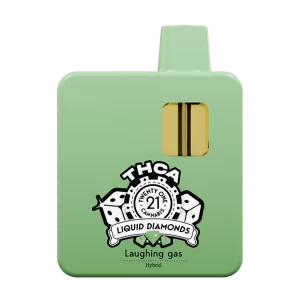
If THCA diamonds intrigue you and you want premium options, explore our extensive collection of THCA liquid diamond disposables and vape cartridges. These products combine THCA purity with strain-specific terpenes for exceptionally flavorful, potent experiences that require zero equipment beyond the device itself.
THCA sand consists of pulverized THCA crystals with the same 90%+ purity as diamonds but in fine powder form. This powdery texture provides exceptional versatility for dosing and consumption methods, making THCA sand popular among experienced users who want to customize potency.
The fine particle size allows THCA sand to blend seamlessly with flower or be consumed independently through various methods. Many users prefer THCA sand for “enhancing” traditional smoking experiences by adding concentrated cannabinoid content to joints, bowls, or blunts.
Effective THCA sand consumption methods include:
THCA sand’s versatility makes it valuable for experienced users who want precise control over potency enhancement. However, the high concentration requires careful dosing—a little sand goes a long way.
As THCA product demand grows, purchasing from reputable sources becomes increasingly important for ensuring quality, safety, and accurate potency. The market includes numerous vendors, but consistent third-party testing, transparent sourcing, and verified cannabinoid profiles separate premium suppliers from questionable operators.
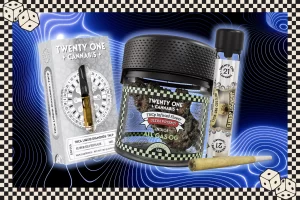
If you’re looking for a trusted source that provides verified quality THCA products with transparent lab testing, you’re in the right place. At Twenty One Cannabis, we offer an extensive range of THCA products backed by rigorous quality standards and comprehensive lab verification.
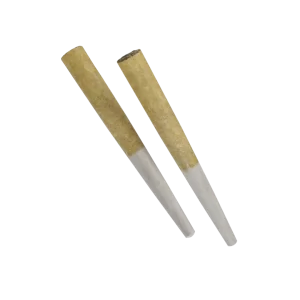
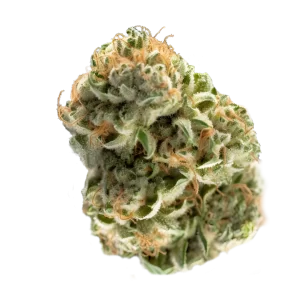
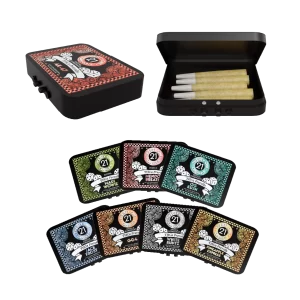
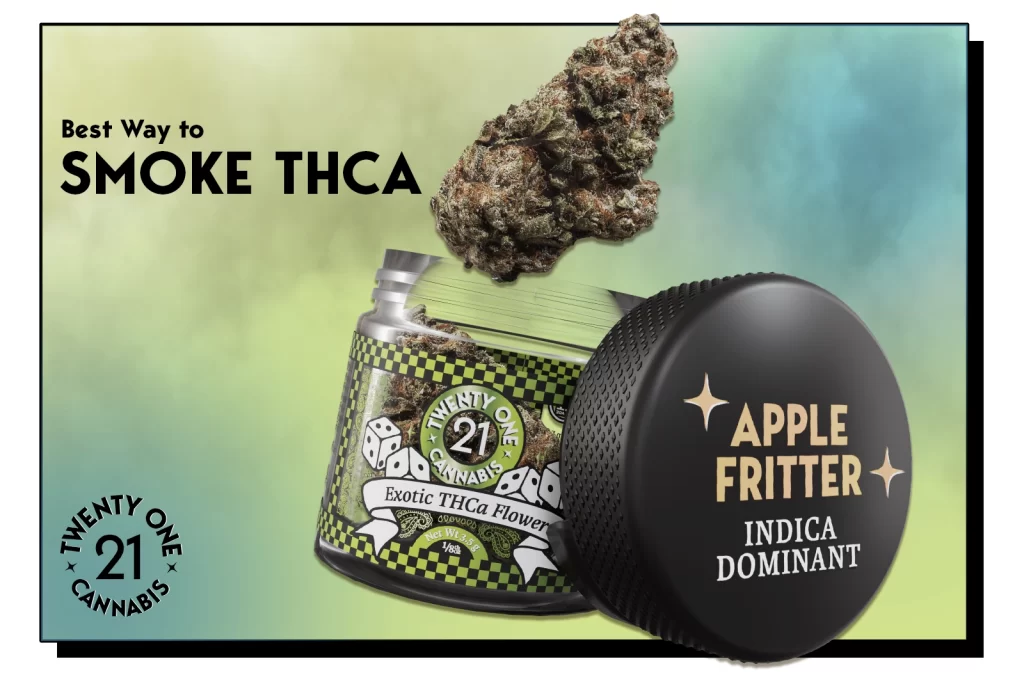
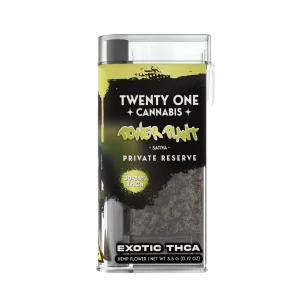
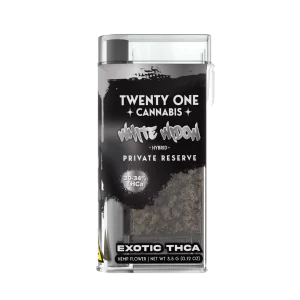
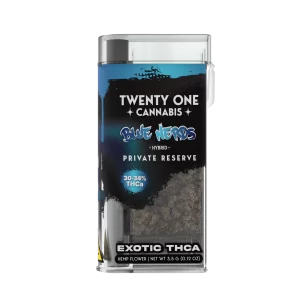
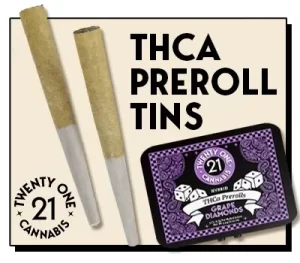
Our THCA flower selection includes premium strains like White Runtz, OG Kush, Pineapple Express, and Lemon AK-47 available as THCA-infused pre-rolls for immediate convenience. Each pre-roll contains lab-tested flower with verified THCA percentages, ensuring consistent potency and clean cannabinoid profiles.
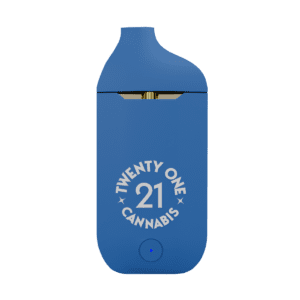
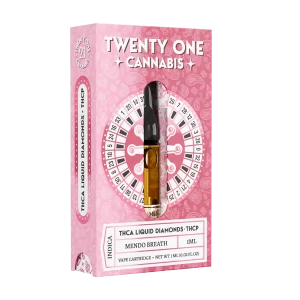
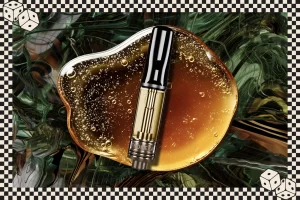
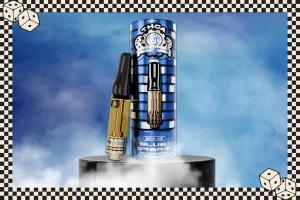
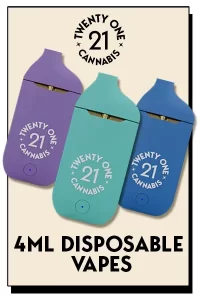
For vaping enthusiasts, our THCA liquid diamond cartridges and disposable vapes deliver exceptional purity and flavor. Strains including White Runtz, Pineapple Express, Legend OG, and Blue Dream combine THCA liquid diamonds with strain-specific terpenes for full-spectrum effects and authentic cannabis taste profiles.
Every Twenty One Cannabis product undergoes third-party ISO-certified laboratory testing. We provide accessible Certificates of Analysis (COAs) showing exact THCA content, terpene profiles, and safety screening for pesticides, heavy metals, residual solvents, and microbial contaminants.
Choose your preferred THCA product, place your order, and experience premium hemp-derived cannabinoids with the quality and transparency you deserve.
THCA begins converting to THC at approximately 220-232°F (104-110°C). When smoking with a lighter, combustion temperatures reach around 1400°F, instantly and completely decarboxylating THCA to THC within seconds. Vaporizers operating at 350-410°F achieve the same conversion more gradually over 30-60 seconds, preserving more terpenes and producing smoother vapor. Research shows that optimal decarboxylation occurs between 230-250°F for 30-40 minutes in controlled settings, but smoking and vaping accomplish this transformation almost instantly due to direct heat exposure.
When smoked, THCA undergoes decarboxylation through heat exposure, converting into psychoactive Delta-9 THC. This transformation removes the carboxylic acid group from THCA’s molecular structure, allowing the resulting THC to bind effectively to CB1 cannabinoid receptors in your brain and produce the characteristic cannabis high. Effects include euphoria, relaxation, altered sensory perception, and potential therapeutic benefits like stress relief and physical comfort. Onset occurs within 2-5 minutes when smoking, with peak effects around 30-90 minutes and duration lasting 2-4 hours depending on dose and tolerance.
Yes, smoking THCA will cause you to fail standard drug tests. When heated through smoking or vaping, THCA converts to Delta-9 THC, which your body metabolizes into THC-COOH—the primary metabolite that drug tests detect. Standard cannabis drug tests cannot distinguish between THC from THCA flower and THC from marijuana, as both produce identical metabolites. If you’re subject to drug testing for employment, athletics, or legal reasons, avoid smoking THCA products just as you would avoid traditional marijuana.
THCA itself is not psychoactive and produces no intoxicating effects. However, when THCA converts to THC through decarboxylation, the resulting Delta-9 THC is identical in potency to THC from any other source. High-quality THCA flower containing 25-30% THCA converts to approximately 22-26% active THC when smoked (accounting for 87.7% conversion efficiency), making it equivalent in strength to premium dispensary marijuana. The perceived potency difference comes from cannabinoid content and terpene profiles, not from THCA being inherently stronger than THC.
Yes, THCA flower smokes exactly like traditional cannabis in regular pipes, bongs, or any smoking device. The heat from your lighter (approximately 1400°F) instantly decarboxylates THCA to THC, producing identical effects to smoking high-THC marijuana. Bongs offer advantages for THCA flower by filtering smoke through water, which cools the vapor and removes harsh particulates for smoother hits. Glass pipes provide precise control for smaller doses, while water pipes allow larger inhalations. No special equipment or preparation is required—treat THCA flower like any premium cannabis flower.
THCA flower contains 20-30% THCA along with terpenes, flavonoids, and other cannabinoids for full-spectrum effects. THCA concentrates like crystals, diamonds, and sand contain 90%+ pure THCA with minimal other compounds, delivering significantly more potent effects per dose. Smoking flower provides gradual onset with balanced, nuanced effects from the entourage effect of multiple cannabinoids and terpenes working together. Concentrates produce faster, more intense effects with less emphasis on flavor complexity. Flower suits most users and social sessions, while concentrates serve experienced consumers seeking maximum potency or those with high tolerance requiring stronger doses.
Smoking THCA flower produces effects that onset within 2-5 minutes, peak around 30-90 minutes, and last approximately 2-4 hours total depending on dose, tolerance, and individual metabolism. THCA concentrates like diamonds and sand create faster onset (1-3 minutes) with potentially stronger peak effects but similar duration. Variables affecting duration include consumption amount, THCA potency, smoking method, tolerance level, and whether you consume on an empty or full stomach. First-time users often experience longer-lasting effects than regular consumers due to lower tolerance and increased cannabinoid sensitivity.
Yes, vaping THCA is generally considered healthier than smoking. Vaporization heats THCA flower to 350-410°F, which decarboxylates THCA without combustion. This produces cannabinoid-rich vapor without the tar, carbon monoxide, and toxic byproducts created when plant material burns at 1400°F+ combustion temperatures. Studies show vaping reduces harmful compound exposure by approximately 50% compared to smoking while preserving more terpenes for enhanced flavor. However, vaping still delivers psychoactive THC to your lungs, so it’s not risk-free—just a harm reduction option compared to combustion methods like joints, pipes, and bongs.


Doctor of Pharmacy, Pharmaceutical Sciences University of Colorado
Co-Founder & CEO at Arvida Labs
You must be over 21 to enter.
GET NOTIFIED ABOUT ONLINE SALES AT 21 CANNABIS!