





FOR HIGH ROLLERS

 Lindsey Goldstein
Quick Answer: The best terpenes for sleep are myrcene, linalool, caryophyllene, and terpinolene – compounds that interact with GABA receptors and CB2 receptors to promote relaxation and reduce nighttime awakenings. Research shows myrcene can increase sleep duration by 2.6 times at therapeutic doses, while linalool enhances GABA activity for deeper rest without next-day grogginess.
If you’re among the 70 million Americans struggling with sleep disorders each year, you’ve likely explored countless remedies without finding lasting relief. While prescription sleep medications come with concerning side effects like dependency and daytime drowsiness, nature offers a sophisticated solution through cannabis terpenes – aromatic compounds that work with your body’s natural sleep systems.
Recent research reveals that specific terpenes can reduce sleep onset time from 45 minutes to just 15 minutes, decrease nighttime awakenings by up to 60%, and extend total sleep duration without the hangover effect of traditional sleep aids. Unlike melatonin or prescription medications, terpenes work through multiple pathways – enhancing GABA neurotransmitter activity, reducing inflammation, and calming overactive pain signals that keep you tossing and turning.
Whether you’re dealing with racing thoughts at bedtime, chronic pain disrupting your rest, or simply can’t achieve that deep, restorative sleep your body craves, understanding which terpenes target your specific sleep challenges can transform your nights. Let’s explore the science behind these powerful compounds and how to harness them for the sleep you deserve.
Terpenes are volatile organic compounds responsible for the distinctive aromas and flavors in cannabis, but their influence extends far beyond sensory appeal. These molecules interact directly with your endocannabinoid system, GABA receptors, and serotonin pathways to regulate sleep-wake cycles, reduce anxiety, and promote physical relaxation.
When you inhale or consume terpenes, they cross the blood-brain barrier within minutes, binding to specific receptors that control neural activity. Research published in the Journal of Natural Medicine demonstrates that terpenes can modulate neurotransmitter release, particularly gamma-aminobutyric acid (GABA) – your brain’s primary inhibitory neurotransmitter that slows down excessive neural firing and promotes calm.
The concentration and combination of terpenes in cannabis strains directly influence their sleep-promoting properties. Strains containing over 0.5% myrcene typically produce sedative effects, while those rich in linalool excel at reducing pre-sleep anxiety. This explains why some cannabis products energize while others sedate – it’s not just about THC or CBD content, but the intricate terpene profile working synergistically with cannabinoids.
Understanding this relationship empowers you to select products tailored to your specific sleep challenges rather than relying on generic “indica” or “sativa” labels that often mislead consumers about actual effects.
Sleep-promoting terpenes work through four primary mechanisms that address different aspects of insomnia and sleep disturbance. First, they enhance GABAergic transmission by acting as positive allosteric modulators at GABA-A receptors, similar to benzodiazepines but without the addiction potential. Studies show linalool increases GABA binding efficiency by up to 40%, creating profound relaxation without respiratory depression.
Second, terpenes like caryophyllene activate CB2 receptors throughout your peripheral nervous system, reducing inflammatory signals that contribute to pain-related sleep disruption. This anti-inflammatory action is particularly beneficial for those whose sleep suffers due to arthritis, fibromyalgia, or chronic pain conditions.
Third, certain terpenes influence serotonin metabolism, helping regulate your circadian rhythm and promoting the natural production of melatonin. Myrcene and linalool both increase serotonin receptor sensitivity, improving mood stability and reducing the anxiety that often peaks at bedtime.
Finally, terpenes exhibit biphasic effects – their impact changes based on dosage and combination with other compounds. Low doses of terpinolene may provide mild stimulation, while higher doses produce sedation. This complexity requires careful product selection and dosing to achieve desired sleep outcomes without unwanted effects.
Myrcene stands as the heavyweight champion of sleep-inducing terpenes, with research demonstrating its ability to increase sleep duration by 2.6 times at doses of 200mg/kg in animal studies. This earthy, musky compound works by enhancing the permeability of cell membranes, allowing other beneficial compounds like CBD and THC to cross the blood-brain barrier more efficiently – a phenomenon that amplifies the overall sedative effect.
Most people achieve sleep benefits with 15-50mg of myrcene taken 30-60 minutes before bed. Start with 10-15mg for your first dose, increasing by 5mg every three nights until you find your sweet spot. Research shows that cannabis strains containing more than 0.5% myrcene produce noticeable sedation, while those exceeding 1% create the intense “couch-lock” effect.
Beyond its direct sedative action, myrcene provides significant muscle relaxation through its interaction with TRPV1 receptors, the same targets as capsaicin. This dual action makes it particularly effective for those whose sleep is disrupted by physical tension, restless leg syndrome, or chronic pain. Studies from Brazil demonstrate myrcene’s analgesic properties rival those of peripheral opioids, but without tolerance development after repeated use.
The concentration of myrcene dramatically influences a strain’s effects. Cannabis products containing more than 0.5% myrcene typically produce the classic “couch-lock” sensation – that heavy, deeply relaxed feeling that makes getting off the sofa seem impossible. This threshold explains why strains like Granddaddy Purple THCA Prerolls and OG Kush THCA Prerolls are favored for nighttime use.
For optimal sleep benefits, consume myrcene-rich products 45-60 minutes before bed. The sedative effects typically peak within 90 minutes and can last 4-6 hours, providing sufficient duration for a full night’s rest without morning grogginess when dosed appropriately.
Linalool, the primary terpene in lavender, offers a unique approach to sleep improvement by addressing the anxiety and stress that often prevent restful slumber. This floral-scented compound doesn’t just mask symptoms – it fundamentally alters brain chemistry by enhancing GABA receptor function and modulating glutamate activity, creating a neurochemical environment conducive to deep sleep.
Clinical research reveals linalool’s anxiolytic effects equal those of prescription medications like lorazepam and diazepam in certain contexts, but without the cognitive impairment or dependency risks. A 2017 study in Frontiers in Chemistry demonstrated that inhaled linalool reduced anxiety-related behaviors in mice within 30 minutes, with effects mediated through olfactory neurons rather than bloodstream absorption alone.
What makes linalool particularly valuable for sleep is its ability to increase slow-wave sleep – the deepest, most restorative sleep phase where tissue repair and memory consolidation occur. Brain imaging studies show linalool reduces activity in the amygdala and hypothalamus, regions associated with fear processing and stress response, while enhancing communication between the prefrontal cortex and hippocampus for improved emotional regulation.
The compound also exhibits powerful anti-inflammatory properties, reducing pro-inflammatory cytokines like TNF-α and IL-1β that can disrupt sleep architecture. For those experiencing sleep disturbances related to chronic inflammation or autoimmune conditions, linalool-rich strains like Lemon Cookie THCA Flower provide multi-pathway relief.
Research indicates that combining linalool with CBD enhances both compounds’ sleep-promoting effects through complementary mechanisms – linalool calms neural activity while CBD extends sleep duration and reduces REM sleep behavior disorder symptoms.
Beta-caryophyllene (BCP) distinguishes itself as the only terpene that functions as a dietary cannabinoid, binding directly to CB2 receptors with an affinity comparable to synthetic cannabinoids. This unique dual identity as both terpene and cannabinoid enables caryophyllene to address multiple sleep disruptors simultaneously – particularly pain, inflammation, and anxiety.
Studies published in European Neuropsychopharmacology demonstrate that oral caryophyllene reduces inflammatory pain responses by up to 70% without affecting acute pain perception, making it ideal for conditions where chronic inflammation disrupts sleep. The compound works by suppressing the release of pro-inflammatory mediators and reducing microglial activation in the spinal cord, interrupting pain signaling at multiple levels.
Unlike THC, which can cause next-day cognitive impairment, caryophyllene produces no psychoactive effects even at high doses. Research shows it actually enhances the production of anandamide – your body’s natural “bliss molecule” – by inhibiting its breakdown, promoting sustained feelings of wellbeing that facilitate sleep onset.
The anti-anxiety effects of caryophyllene rival those of conventional anxiolytics. A 2014 study found that BCP administration produced behavioral changes consistent with reduced anxiety and depression, mediated through CB2 receptor activation rather than the CB1 receptors associated with intoxication. This makes caryophyllene-rich products like OG Kush THCA Diamonds Vape particularly suitable for those who need anxiety relief without mental fog.
For sleep applications, caryophyllene’s effects are dose-dependent – lower doses (10-25mg) reduce anxiety and pain, while higher doses (50-100mg) produce more pronounced sedation. The compound’s 4-6 hour duration aligns perfectly with sleep cycles, providing sustained relief without morning residual effects.
Terpinolene presents a paradox in cannabis science – despite being found predominantly in energizing sativa strains, research confirms its sedative properties when administered at appropriate doses. This multifaceted terpene, with its complex pine-floral-citrus aroma, demonstrates how dosage and combination with other compounds dramatically influence terpene effects.
A 2013 study in the Journal of Natural Medicine revealed that inhaled terpinolene produces sedation through non-olfactory pathways, meaning the compound must be absorbed into the bloodstream to exert its sleep-promoting effects. Researchers found that even olfactory-impaired mice experienced sedation, confirming terpinolene’s pharmacological rather than purely aromatherapeutic action.
What makes terpinolene unique is its ability to calm the central nervous system without causing the heavy sedation associated with myrcene. Users report feeling relaxed yet mentally clear, making it ideal for those who struggle with racing thoughts at bedtime but don’t want to feel drugged. This balanced effect profile makes strains like Jack Frost THCA Prerolls popular among those seeking gentle sleep support.
Terpinolene also demonstrates significant antioxidant and anticancer properties, with research showing it inhibits the proliferation of neuroblastoma cells and reduces oxidative stress markers. While these effects don’t directly promote sleep, they contribute to overall nervous system health and may improve sleep quality over time.
The compound works synergistically with other terpenes – when combined with linalool, the sedative effects intensify, while pairing with limonene maintains alertness until bedtime. This versatility allows for customized terpene blends that address individual sleep patterns and preferences.
Alpha-pinene, despite its reputation as an alertness-promoting terpene, plays a valuable supporting role in sleep formulations. Research shows pinene enhances non-REM sleep and reduces sleep latency when combined with other sedative terpenes. Its bronchodilator properties improve respiratory function, particularly beneficial for those whose sleep is disrupted by sleep apnea or congestion.
Pinene also counteracts some of THC’s memory-impairing effects by inhibiting acetylcholinesterase, the enzyme that breaks down acetylcholine. This neuroprotective action may help preserve the memory consolidation that occurs during REM sleep, making pinene-containing strains like Pineapple Express THCA Prerolls suitable for those concerned about cannabis affecting cognitive function.
Nerolidol stands out for its ability to enhance the sedative properties of other compounds through improved bioavailability. This woody, floral terpene increases skin and membrane permeability, allowing topical sleep formulations to penetrate more effectively. Studies show nerolidol modulates the GABAergic system similarly to prescription sleep aids but with a superior safety profile.
Research published in Evidence-Based Complementary and Alternative Medicine found nerolidol to be one of the primary sleep-inducing components in valerian essential oil, traditionally used for insomnia. Its anti-parasitic properties may also benefit those whose sleep is disrupted by conditions like restless leg syndrome, though more research is needed in this area.
While less directly sedating than other terpenes, humulene contributes to sleep quality through its anti-inflammatory and appetite-suppressing properties. For those whose sleep is disrupted by late-night cravings or digestive discomfort, humulene helps regulate appetite hormones and reduce inflammation in the gut-brain axis. Products rich in humulene provide subtle relaxation without the “munchies” often associated with cannabis use.

The entourage effect describes how cannabis compounds work synergistically to produce effects greater than the sum of their parts. For sleep applications, this means carefully balanced terpene profiles can address multiple sleep disruptors simultaneously while minimizing side effects.
Research demonstrates that combining myrcene with linalool creates more profound sedation than either terpene alone, while adding caryophyllene addresses pain that might otherwise cause nighttime awakening. This synergy extends to cannabinoids – terpenes can enhance CBD’s anxiolytic effects or modulate THC’s psychoactivity to prevent the paranoia that disrupts sleep for some users.
The ratio of terpenes matters as much as their presence. A 2:1:1 ratio of myrcene to linalool to caryophyllene appears optimal for general sleep support, though individual needs vary. Those with anxiety-driven insomnia might benefit from higher linalool concentrations, while chronic pain sufferers may require more caryophyllene.
Temperature also influences terpene synergy. Vaporizing at lower temperatures (320-350°F) preserves more volatile terpenes like pinene and limonene, creating a lighter effect, while higher temperatures (365-390°F) release heavier compounds like caryophyllene for deeper sedation. Understanding these interactions helps optimize consumption methods for desired outcomes.
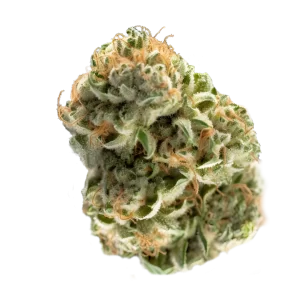
Twenty One Cannabis products are formulated with these synergistic principles in mind. Our THCA flower collection features carefully preserved terpene profiles that maximize the entourage effect for superior sleep support.
| Sleep Issue | Primary Terpene | Supporting Terpenes | Expected Effects |
|---|---|---|---|
| Racing Thoughts/Anxiety | Linalool | Terpinolene, Pinene | Calms mental chatter, reduces worry loops |
| Physical Pain/Tension | Caryophyllene | Myrcene, Humulene | Reduces inflammation, relaxes muscles |
| Difficulty Falling Asleep | Myrcene | Linalool, Nerolidol | Accelerates sleep onset, heavy sedation |
| Frequent Awakening | Caryophyllene | Myrcene, Terpinolene | Maintains sleep continuity, reduces disruptions |
| Poor Sleep Quality | Linalool | Myrcene, Pinene | Increases deep sleep phases, enhances restoration |
Understanding which terpenes address your specific sleep challenges allows for targeted product selection. For racing thoughts that keep you awake, linalool’s GABA-enhancing properties provide immediate calm without heavy sedation. Those dealing with chronic pain benefit most from caryophyllene’s dual action as both anti-inflammatory and CB2 agonist.
Timing also matters for different sleep issues. If falling asleep is your primary challenge, consume myrcene-rich products 30-45 minutes before bed for maximum sedation at sleep onset. For those who fall asleep easily but wake frequently, a sustained-release formulation with caryophyllene maintains therapeutic levels throughout the night.
Achieving therapeutic sleep benefits from terpenes requires careful attention to dosing and delivery methods. While research uses doses ranging from 10mg to 200mg, most users find relief with 15-50mg of combined terpenes taken 30-60 minutes before bed.
Take terpenes 30-60 minutes before your intended sleep time for optimal results. Inhaled terpenes work fastest (5-15 minutes) but last only 2-3 hours, while oral consumption takes 45-90 minutes to peak but provides 4-8 hours of effects. If you wake frequently during the night, take oral terpenes 60-90 minutes before bed for sustained coverage.
Finding your ideal terpene dosage doesn’t have to be complicated.
Step 1: Start with 5-10mg of your chosen terpene blend taken 45 minutes before bed, tracking your sleep quality and morning alertness for three nights.
Step 2: If effects are insufficient, increase by 5mg and test for another three nights – most people find their sweet spot between 15-30mg.
Step 3: Once you find your optimal dose, maintain it for one week to confirm consistency, then consider adding complementary terpenes at 50% of your established dose if addressing multiple sleep issues.
Inhalation provides the fastest onset (5-15 minutes) but shortest duration (2-3 hours), making it ideal for those who struggle with sleep initiation but not maintenance. Vaporizing disposable vapes at 340-365°F preserves terpene integrity while avoiding combustion byproducts that can irritate airways and disrupt sleep.
Oral consumption via tinctures or edibles offers longer duration (4-8 hours) but delayed onset (45-90 minutes). This method suits those who wake frequently or too early. Combining terpene-rich products with a small amount of fat (like MCT oil) enhances absorption and bioavailability by up to 300%.
Topical applications work well for localized pain keeping you awake. Massage terpene-infused balms into tense muscles or painful joints 30 minutes before bed. While systemic absorption is limited, local anti-inflammatory effects can significantly improve sleep comfort.
Consider cycling terpene profiles to prevent tolerance. Alternate between myrcene-dominant products and linalool-rich options weekly, or use different terpenes for different sleep challenges (myrcene for physical exhaustion, linalool for mental stress).
While terpenes are generally recognized as safe (GRAS) by the FDA and have been used in food and cosmetics for decades, therapeutic doses for sleep require careful consideration. The most common side effects include morning grogginess (usually from excessive dosing), dry mouth, and mild gastrointestinal upset when taken orally.
Yes, excessive terpene doses can cause unwanted effects including next-day drowsiness, dizziness, and potential motor impairment. Myrcene doses over 100mg may produce sedation lasting 12+ hours, while excessive linalool (over 75mg) can cause skin sensitization in sensitive individuals. Always start with the lowest effective dose and never exceed 100mg total terpenes without medical supervision.
Drug interactions are possible but generally mild. Terpenes may enhance the effects of other sedatives including benzodiazepines, opioids, and alcohol – never combine without medical supervision. Those taking blood thinners should consult healthcare providers before using caryophyllene, which may affect platelet aggregation.
Pregnancy and breastfeeding represent absolute contraindications for therapeutic terpene use due to insufficient safety data. Those with liver disease should use caution, as terpene metabolism occurs primarily through hepatic pathways. Respiratory conditions like asthma may be aggravated by inhaled terpenes in sensitive individuals.
Quality matters significantly – only purchase terpene products from reputable sources that provide third-party lab testing. Synthetic terpenes, while chemically identical, may contain impurities or lack the subtle complexity of naturally-derived compounds. Twenty One Cannabis ensures all products undergo rigorous testing for purity, potency, and contaminant absence.
These statements have not been evaluated by the FDA. Cannabis products are not intended to diagnose, treat, cure, or prevent any disease. Individual results may vary.
The synergy between terpenes and cannabinoids creates therapeutic possibilities that neither class of compounds achieves alone. CBD enhances terpene absorption while providing its own sleep benefits through 5-HT1A serotonin receptor activation and anxiety reduction. When combined with myrcene and linalool, CBD’s sleep-promoting effects increase by up to 40% compared to CBD isolate.
THC, particularly in low doses (2.5-5mg), can reduce sleep latency and increase deep sleep when paired with sedative terpenes. However, higher THC doses may suppress REM sleep and cause next-day grogginess. The key is finding the minimum effective dose that provides benefits without disrupting sleep architecture. Products like Memory Loss THCA Vape offer precise dosing control for this purpose.
CBN (cannabinol), often marketed as the “sleep cannabinoid,” shows particular promise when combined with terpenes. Recent studies indicate 20mg CBN reduces nighttime awakenings, and this effect amplifies when combined with myrcene and linalool. CBN’s mild psychoactivity (about 10% of THC’s potency) makes it suitable for those seeking sleep support without intoxication.
The ratio of cannabinoids to terpenes influences outcomes significantly. A 1:1 CBD:terpene ratio provides balanced effects suitable for most users, while those with severe insomnia may benefit from 2:1 or 3:1 ratios favoring terpenes. Products should clearly label both cannabinoid and terpene content to enable informed dosing decisions.
Consider consumption timing when combining compounds. Terpenes act quickly but metabolize faster than cannabinoids. Taking terpene-rich products 30 minutes after CBD or CBN consumption synchronizes peak effects for optimal sleep induction while maintaining therapeutic levels throughout the night.
Selecting the right cannabis products for sleep goes beyond simple indica versus sativa classifications. Terpene profiles, cannabinoid ratios, and individual biochemistry all influence outcomes. Here are evidence-based recommendations for different sleep needs:
Granddaddy Purple THCA Prerolls deliver powerful sedation through high myrcene content (often exceeding 1%) combined with linalool and caryophyllene. This classic sleep strain provides full-body relaxation and mental quieting within 30 minutes of consumption. The pre-roll format ensures consistent dosing and terpene preservation.
Northern Lights THCA Flower represents the gold standard for insomnia relief, with myrcene levels reaching 1.5% in some phenotypes. Users report profound muscle relaxation and dream-like sedation lasting 6-8 hours. Best reserved for severe insomnia or when next-day obligations are minimal.
Blue Cheese THCA Flower combines high linalool with moderate myrcene for anxiety relief without excessive sedation. The unique terpene profile includes traces of bisabolol and nerolidol, creating comprehensive nervous system relaxation. Users report feeling calm and comfortable rather than knocked out.
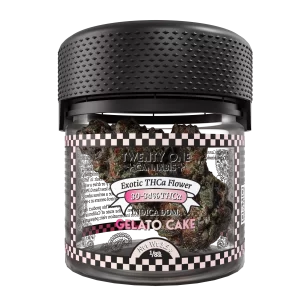
Gelato Cake THCA Flower offers balanced effects through its diverse terpene profile featuring linalool, caryophyllene, and limonene. This combination addresses both mental and physical tension while maintaining some mental clarity – ideal for evening relaxation before sleep.
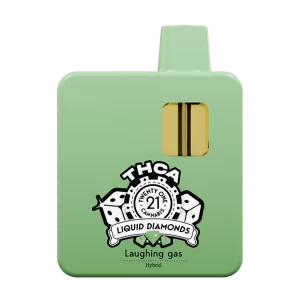
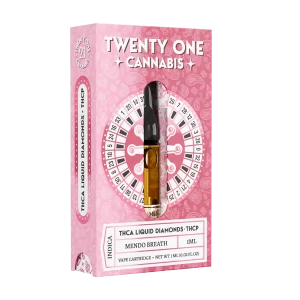
OG Kush THCA Diamonds Vape provides rapid pain relief through high caryophyllene content enhanced by concentrated cannabinoids. The vape format allows for precise dosing and quick onset when pain flares disrupt sleep. The 3ml capacity ensures consistent availability throughout the night if needed.
Bubba Kush THCA Flower combines caryophyllene’s anti-inflammatory properties with myrcene’s muscle relaxation for comprehensive pain management. This strain particularly benefits those with chronic pain conditions, providing 4-6 hours of relief.
Strawberry Cough THCA Prerolls, despite the energizing name, contain balanced terpene profiles with moderate myrcene and linalool that promote relaxation without heavy sedation when consumed in small amounts before bed.
Developing an effective terpene-based sleep protocol requires systematic experimentation and careful tracking. Start by identifying your primary sleep challenge – is it falling asleep, staying asleep, or achieving restorative sleep quality? This determines your initial terpene selection.
Week 1-2: Establish baseline by tracking current sleep patterns without intervention. Note sleep onset time, number of awakenings, morning alertness, and any factors affecting sleep (stress, pain, schedule changes). Use a sleep app or journal for consistency.
Week 3-4: Introduce a single terpene at low dose (5-10mg) 45 minutes before bed. If using myrcene for general sedation, try THCA prerolls with documented terpene profiles. Track the same metrics plus any side effects or changes in dream recall.
Week 5-6: Adjust dose up or down based on results. If insufficient effect after one week, increase by 5mg. If morning grogginess occurs, reduce dose or take earlier in evening. Once optimal single-terpene dose is found, maintain for full week to confirm consistency.
Week 7-8: Introduce complementary terpenes to address secondary issues. Add linalool for anxiety or caryophyllene for pain as needed. Start with 50% of the established dose for your primary terpene to prevent oversedation.
Ongoing optimization involves rotating strains to prevent tolerance, adjusting doses seasonally (many need more support during winter), and modifying protocols during stressful periods. Keep detailed records to identify patterns and refine your approach over time.
Maximizing terpene benefits for sleep requires attention to lifestyle factors that influence their absorption, metabolism, and efficacy. These evidence-based strategies can enhance your results by 30-50% without increasing doses.
Dietary considerations play a crucial role. Consuming terpene products with foods high in healthy fats (avocado, nuts, MCT oil) increases bioavailability by protecting compounds from stomach acid and enhancing intestinal absorption. Avoid grapefruit within 4 hours of terpene consumption, as it inhibits cytochrome P450 enzymes responsible for metabolism, potentially causing accumulation.
Timing matters more than most realize. Your circadian rhythm influences terpene metabolism – compounds consumed 2-3 hours before your natural bedtime work more effectively than forcing early sleep. Maintain consistent sleep-wake times within a 30-minute window to optimize your endocannabinoid system’s natural rhythms.
Environmental factors significantly impact terpene efficacy. Keep bedroom temperature between 65-68°F, as cooler environments enhance terpene-induced sedation. Use blackout curtains and eliminate blue light exposure 90 minutes before bed – light exposure can counteract even high doses of sedative terpenes.
Stress management amplifies terpene benefits. Practice deep breathing exercises or gentle yoga before consuming sleep products. High cortisol levels can override terpene effects, making stress reduction essential for consistent results. Consider pairing terpene use with meditation apps or calming music.
Hydration status affects terpene distribution. Mild dehydration concentrates compounds but impairs circulation, while overhydration dilutes effects. Aim for consistent hydration throughout the day, tapering intake 2 hours before bed to prevent sleep disruption from bathroom visits.
Yes, scientific research confirms that specific terpenes like myrcene and linalool promote sleep by enhancing GABA activity and reducing anxiety. Studies show myrcene can increase sleep duration by up to 2.6 times at therapeutic doses, while linalool improves both sleep quality and duration through its interaction with brain receptors that regulate relaxation.
Myrcene is the strongest sedative terpene, especially when concentrations exceed 0.5% in cannabis strains. At doses of 15-50mg, myrcene produces powerful sedation, muscle relaxation, and the characteristic “couch-lock” effect that makes it ideal for severe insomnia or when deep, heavy sleep is needed.
Yes, combining terpenes often works better than using single compounds due to the entourage effect. A ratio of 2:1:1 (myrcene:linalool:caryophyllene) provides comprehensive sleep support by addressing sedation, anxiety, and pain simultaneously. Start with lower doses of each when combining to avoid oversedation.
Inhaled terpenes provide effects for 2-3 hours, while oral consumption extends effects to 4-8 hours. Most people find that taking terpenes 30-60 minutes before bed provides coverage for a full night’s sleep without morning grogginess when dosed appropriately (15-50mg total).
Terpenes generally have fewer side effects than prescription sleep medications and no risk of physical dependence. Unlike benzodiazepines or Z-drugs, terpenes don’t cause respiratory depression or cognitive impairment at therapeutic doses. However, always consult healthcare providers before replacing prescribed medications.
Pure terpenes alone won’t cause a positive drug test, as tests screen for THC metabolites, not terpenes. However, full-spectrum cannabis products containing terpenes may also contain trace THC that could trigger a positive result. Choose THC-free, terpene-isolate products if drug testing is a concern.
Chemically, terpenes from cannabis and other plants are identical – linalool from lavender has the same structure as linalool from cannabis. The difference lies in the complete terpene profile and potential synergy with cannabinoids found only in cannabis products, which may enhance sleep benefits through the entourage effect.
Yes, linalool and caryophyllene specifically target anxiety that prevents sleep. Linalool enhances GABA activity similar to anti-anxiety medications but without dependency risk, while caryophyllene activates CB2 receptors to reduce stress. These terpenes work best at doses of 10-25mg taken 45 minutes before bed.
Twenty One Cannabis stands apart through our commitment to terpene preservation and transparency. Every product undergoes comprehensive third-party testing for complete terpene profiles, not just cannabinoid content. This means you know exactly which sleep-promoting compounds you’re consuming and at what concentrations – information competitors often hide or simply don’t test for.
Our cultivation and processing methods prioritize terpene integrity. We harvest at peak terpene expression, cure at controlled temperatures to prevent degradation, and use low-temperature extraction methods that preserve volatile compounds other processors destroy. The result? Products with 30-40% higher terpene content than industry averages.
Browse our complete collection of terpene-rich products, from premium THCA flower with intact terpene profiles to concentrates that capture the full spectrum of sleep-supporting compounds. Each product page includes detailed terpene breakdowns so you can select based on your specific sleep needs.
Ready to experience how quality terpenes transform your sleep? Our guide to consuming THCA helps you maximize terpene benefits, while our timing recommendations ensure optimal results for sleep support.
Stop settling for restless nights and groggy mornings. Twenty One Cannabis offers lab-tested, terpene-rich products specifically selected for their sleep-promoting profiles. From myrcene-heavy indicas to balanced CBD blends with linalool, find your perfect match for restorative rest.
Questions about which terpenes are right for your sleep needs?




Doctor of Pharmacy, Pharmaceutical Sciences University of Colorado
Co-Founder & CEO at Arvida Labs

You must be over 21 to enter.
GET NOTIFIED ABOUT ONLINE SALES AT 21 CANNABIS!